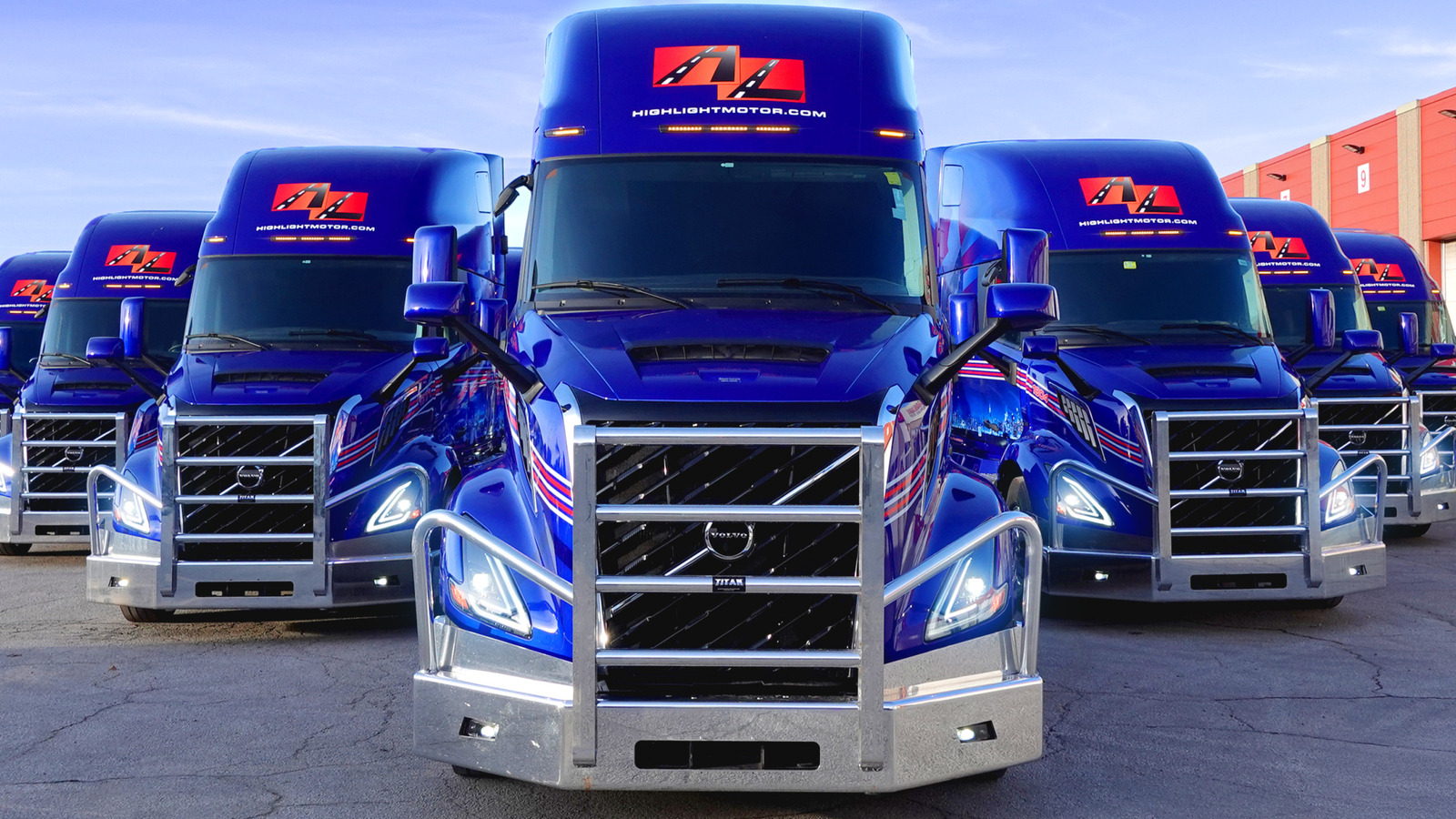
सॉफ्टवेयर लंबी दूरी की ट्रकिंग में ईंधन बचाने का एक उपकरण बन रहा है
भारी ट्रकों की दक्षता को अक्सर एक हार्डवेयर समस्या के रूप में देखा गया है: साफ-सुथरे इंजन, बेहतर वायुगतिकी, और स्मार्ट ट्रांसमिशन। वोल्वो का I-See सिस्टम दिखाता है कि अगला बड़ा लाभ कितना कुछ सॉफ्टवेयर से आ सकता है। उपलब्ध स्रोत सामग्री के अनुसार, कंपनी की प्रीडिक्टिव क्रूज़-कंट्रोल तकनीक जीपीएस निर्देशांक, स्थलाकृति मानचित्र, और क्लाउड-अपडेटेड सड़क डेटा का उपयोग करती है ताकि भू-भाग में होने वाले बदलावों का पहले से अनुमान लगाया जा सके और चालक के वहाँ पहुँचने से पहले ट्रक के व्यवहार को समायोजित किया जा सके।
यह इसलिए महत्वपूर्ण है क्योंकि लंबी दूरी की ट्रकिंग बहुत कम मार्जिन पर चलती है, और दक्षता में मामूली सुधार भी बड़े बेड़ों में तेज़ी से बढ़कर असर दिखाते हैं। स्रोत पाठ के अनुसार, वोल्वो ने ढलानदार भू-भाग पर I-See के पहले संस्करण से 5% तक ईंधन बचत का दावा किया था, और बाद में I-See PVT-MTM सिस्टम को कंपनी के D13TC इंजन के साथ जोड़ने पर 7% तक की बचत बताई गई थी। माल ढुलाई संचालन में ये प्रतिशत व्यावहारिक रूप से महत्वपूर्ण हैं।
I-See कैसे काम करता है
यह सिस्टम वोल्वो के I-Shift ऑटोमेटेड मैनुअल ट्रांसमिशन से जुड़ा है और मार्ग की परिस्थितियों की एक इलेक्ट्रॉनिक समझ पर निर्भर करता है। किसी पहाड़ी को ट्रक के चढ़ना या उतरना शुरू करने के बाद प्रतिक्रिया देने के बजाय, I-See पहले से लोड किए गए और साझा किए गए स्थलाकृतिक डेटा का उपयोग करके अग्रिम निर्णय लेता है। स्रोत सामग्री कहती है कि नए ट्रक टेलेमैटिक्स गेटवे का उपयोग करके क्लाउड-आधारित सर्वर से अपडेटेड भू-भाग जानकारी प्राप्त करते हैं।
यह साझा-डेटा मॉडल सिस्टम की लॉजिक का अहम हिस्सा है। जब कोई ट्रक पहली बार किसी पहाड़ी मार्ग से गुजरता है, तो वह स्थानीय स्थलाकृति की जानकारी अपलोड कर सकता है। बाद में उसी हिस्से पर चलने वाले दूसरे ट्रक उस जानकारी को अपने आप डाउनलोड कर सकते हैं। व्यवहार में, हर यात्रा अगली यात्रा को प्रशिक्षित करने में मदद करती है।
स्रोत में वोल्वो के विवरण के अनुसार, यह प्रक्रिया छह चरणों में बंटी है। सॉफ्टवेयर पहले भू-भाग डेटा पढ़ता है और चढ़ाई के दौरान सबसे उपयुक्त उच्चतम गियर को बनाए रखते हुए ट्रक को गति बनाने में मदद करता है। फिर यह शिखर के पास अनावश्यक डाउनशिफ्ट को रोकता है, ढलान शुरू होने पर एक्सेलेरेशन कम करता है, कुछ परिस्थितियों में अस्थायी रूप से ड्राइवलाइन को अलग करता है, और नियंत्रण बनाए रखते हुए दक्षता सुरक्षित रखने के लिए गति और ब्रेकिंग को प्रबंधित करता है।
यह सिर्फ़ सुविधा देने वाला फीचर नहीं है। यह भूगोल को ईंधन प्रबंधन के लिए मशीन-पठनीय इनपुट में बदल देता है।
ढलान इतनी महत्वपूर्ण क्यों हैं
सिस्टम के पीछे का संचालन-तर्क सीधा है। एक लदा हुआ भारी ट्रक ढलान, गति, भार और गियर चयन के आधार पर अलग तरह से ईंधन जलाता है। मानव चालक, खासकर अनुभव के साथ, इन चरों को अच्छी तरह संभाल सकते हैं, लेकिन सॉफ्टवेयर हज़ारों मील तक अधिक निरंतरता के साथ सर्वोत्तम प्रतिक्रियाओं की गणना और उन्हें दोहरा सकता है।
पहाड़ी मार्ग विशेष रूप से कठोर होते हैं क्योंकि वे असक्षम एक्सेलेरेशन, गलत समय पर किए गए डाउनशिफ्ट, और अनावश्यक ब्रेकिंग को बढ़ावा देते हैं। चढ़ाई से पहले गति बनाए रखकर और ढलान के आसपास व्यवहार को नियंत्रित करके, प्रीडिक्टिव सिस्टम ऊर्जा उपयोग को ऐसे ढंग से सुचारु कर सकते हैं जिन्हें हर बार हाथ से दोहराना कठिन होता है।
यही वजह है कि कनेक्टेड ट्रकिंग और अधिक महत्वपूर्ण होती जा रही है। बेड़ा जितना अधिक मार्ग डेटा जमा कर सकेगा, ऐसे सिस्टम उतने ही बेहतर ढंग से वाहन के व्यवहार को वास्तविक सड़क परिस्थितियों से मेल करा सकेंगे। इससे संकेत मिलता है कि माल ढुलाई दक्षता तेजी से उतनी ही डेटा समस्या बनती जा रही है जितनी यांत्रिक।
ट्रक घटक से बेड़ा-बुद्धिमत्ता तक
I-See का व्यापक महत्व यह है कि यह वाणिज्यिक वाहनों में अलग-थलग मशीनों से कनेक्टेड प्लेटफॉर्म की ओर बदलाव को दर्शाता है। गियरबॉक्स अभी भी गियरबॉक्स ही है, लेकिन जब उसे मानचित्र डेटा, टेलीमेट्री, जीपीएस और केंद्रीकृत अपडेट के साथ जोड़ा जाता है, तो वह एक अनुकूलन नेटवर्क का हिस्सा बन जाता है। इससे उन निर्माताओं के लिए मूल्य के नए रूप बनते हैं जो हार्डवेयर को स्वामित्व वाले सॉफ्टवेयर लेयर्स के साथ जोड़ सकते हैं।
फ्लीट ऑपरेटरों के लिए आकर्षण स्पष्ट है। ईंधन माल ढुलाई में सबसे बड़े और सबसे अस्थिर संचालन खर्चों में से एक बना हुआ है। ऐसा सिस्टम जो लगातार चालक के हस्तक्षेप के बिना खपत में सुधार करे, हर दिन बचत दे सकता है, खासकर उन स्थापित मार्गों पर जहाँ भू-भाग के पैटर्न दोहराते हैं।
इसके कुछ गौण प्रभाव भी हैं। अधिक पूर्वानुमेय गति और ब्रेकिंग निर्णय संचालन को अधिक सुचारु बना सकते हैं, जिसका असर घिसावट, चालक थकान और समय-सारणी की स्थिरता पर पड़ सकता है। उपलब्ध स्रोत पाठ ईंधन बचत पर केंद्रित है, लेकिन अंतर्निहित संरचना व्यापक बेड़ा प्रबंधन अनुप्रयोगों की ओर संकेत करती है।
परिवहन का बड़ा रुझान
वोल्वो का सिस्टम इस बात का उपयोगी उदाहरण है कि पूर्ण स्वायत्तता के आम होने से पहले परिवहन तकनीक कैसे विकसित हो रही है। हर दक्षता सुधार के लिए सेल्फ-ड्राइविंग ट्रक की ज़रूरत नहीं होती। निकट-भविष्य के कई बड़े सुधार ऐसे परतदार सहायता सिस्टमों से आ सकते हैं जो चालकों को नियंत्रण में रखते हैं, जबकि सीमित, उच्च-मूल्य वाले निर्णयों को स्वचालित करते हैं।
यह तरीका स्वायत्त माल ढुलाई की तुलना में लागू करने में आसान, विनियमित करने में आसान, और आर्थिक रूप से औचित्य सिद्ध करने में आसान है। यह इस वास्तविकता को भी दर्शाता है कि वाणिज्यिक परिवहन क्रमिक लाभों को पुरस्कृत करता है। यदि सॉफ्टवेयर ईंधन उपयोग को विश्वसनीय रूप से कुछ प्रतिशत भी घटा सकता है, तो व्यवहार में यह किसी अधिक चमकदार लेकिन अप्रमाणित बड़े दावे से अधिक मायने रख सकता है।
उपलब्ध स्रोत सामग्री I-See को एक ढलान याद रखने वाले क्रूज़ सिस्टम के रूप में प्रस्तुत करती है। एक अर्थ में यह ठीक वही है। लेकिन व्यापक अर्थ में यह इस बात का संकेत है कि भविष्य का ट्रक शायद मौलिक नए आकार-प्रकारों से कम और परिचित मशीनों के निरंतर, डेटा-संचालित अनुकूलन से अधिक जीतेगा।
यह लेख Jalopnik की रिपोर्टिंग पर आधारित है। मूल लेख पढ़ें.
Originally published on jalopnik.com