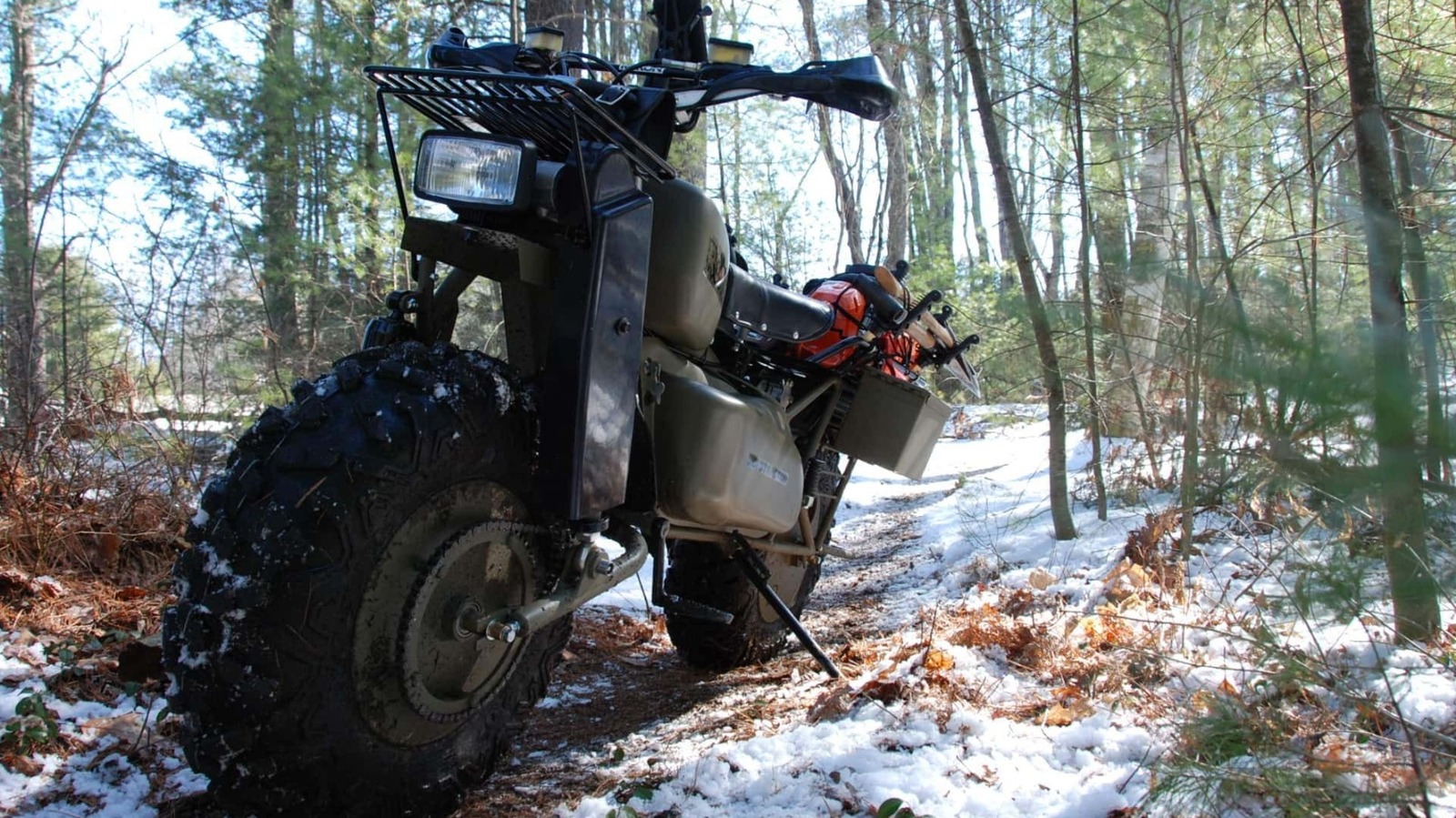
ऑल-व्हील-ड्राइव मोटरसाइकिल अभी भी अजीब लगती है, और यही इसकी खासियत है
परिवहन बाज़ार में जहाँ सॉफ्टवेयर-प्रधान नवाचार भरे पड़े हैं, कुछ सबसे टिकाऊ इंजीनियरिंग विचार अब भी ज़िद्दी रूप से यांत्रिक बने हुए हैं। रोकॉन मोटरसाइकिल इसका एक उदाहरण है। अपने पेटेंटेड टू-व्हील-ड्राइव सिस्टम के इर्द-गिर्द बनी यह मशीन दशकों से एक ऐसे विशिष्ट क्षेत्र में बनी हुई है जिसे अधिकांश मुख्यधारा के मोटरसाइकिल निर्माता नज़रअंदाज़ करते आए हैं: एक ऐसी उत्पादन बाइक जो मनोरंजन के लिए बनी ट्रेल मशीन से कम और कठिन भूभाग के लिए एक संचालित औज़ार जैसी अधिक है।
प्रदान किए गए स्रोत पाठ के अनुसार, रोकॉन की शुरुआत 1958 में चार्ली फेन के एक विचार से हुई थी और यह अब भी न्यू हैम्पशायर में निर्मित की जाती है। इसका उद्देश्य गति नहीं है। इसका उद्देश्य पकड़, सरलता और उपयोगिता है, उन जगहों पर जहाँ एक सामान्य मोटरसाइकिल संघर्ष करेगी।
यही बात इसे असामान्य बनाती है। कारों और ट्रकों में टू-व्हील-ड्राइव आम भाषा है, लेकिन मोटरसाइकिलों में यह अब भी दुर्लभ है। कारण सीधे हैं: जटिलता, वजन, स्टीयरिंग की चुनौतियाँ और सीमित मांग। रोकॉन इसलिए मौजूद है क्योंकि वह इन समझौतों को एक बहुत अलग मिशन प्रोफ़ाइल के लिए स्वीकार करती है।
ड्राइवट्रेन कैसे काम करता है
स्रोत पाठ एक ऐसी प्रणाली का वर्णन करता है जो लगभग जिद्दी ढंग से एनालॉग है। शक्ति केंद्र में लगे इंजन से शुरू होती है, जो आम तौर पर 208cc कोहलर सिंगल-सिलेंडर यूनिट होता है, और टॉर्क कन्वर्टर से होकर तीन-स्पीड गियर चयनक तक जाती है। वहाँ से ड्राइवलाइन दो हिस्सों में बँटती है।
एक मार्ग शक्ति को पारंपरिक चेन ड्राइव के ज़रिए पीछे भेजता है। दूसरा एक शाफ्ट के माध्यम से आगे, हेडस्टॉक की ओर बढ़ता है, जहाँ एक यूनिवर्सल जॉइंट और माइटर बॉक्स टॉर्क को फिर से मोड़कर दूसरी चेन के ज़रिए आगे के पहिये तक पहुँचाते हैं। परिणामस्वरूप इलेक्ट्रॉनिक्स, हाइड्रॉलिक चालों या आधुनिक ट्रैक्शन-कंट्रोल रणनीति पर निर्भर हुए बिना दोनों पहियों को शक्ति मिलती है।
यह विन्यास समझाता है कि स्रोत पाठ में रोकॉन को 60-डिग्री ढलान पर चढ़ने में सक्षम क्यों बताया गया है। यह मशीन कम गति वाली पकड़ के लिए बनाई गई है, न कि सधी हुई हैंडलिंग या राजमार्ग की रफ्तार के लिए।
मुख्य समस्या: मोटरसाइकिलें कारों से अलग मोड़ लेती हैं
मोटरसाइकिल पर दोनों पहियों को चलाना, चार-पहिया-ड्राइव अवधारणा को छोटे वाहन पर दोहरा देने जितना सरल नहीं है। मोड़ लेते समय, आगे का पहिया पीछे वाले की तुलना में लंबा रास्ता तय करता है। यदि दोनों पहियों को शक्ति के तहत एक ही गति से घूमने के लिए मजबूर किया जाए, तो बाइक जाम हो सकती है, फिसल सकती है या रुक सकती है।
रोकॉन का समाधान एक ओवररनिंग क्लच है। दिए गए पाठ के अनुसार, यह मोड़ के दौरान आगे के पहिये को पीछे वाले से तेज घूमने देता है, जिससे वह मोड़ में लगभग मुक्त घूमता रहता है जबकि पीछे का पहिया मशीन को आगे धकेलता रहता है। यह एक ज्यामितीय समस्या का चतुर समाधान है, जो अन्यथा यांत्रिक फ्रंट-व्हील ड्राइव को बहुत कम उपयोगी बना देता।
यह इंजीनियरिंग समझौता रोकॉन की सोच को दिखाता है। हर दूसरी बाइक की तरह व्यवहार कराने की कोशिश करने के बजाय, यह एक विशेष ऑपरेटिंग दायरे को स्वीकार करती है और केवल उन्हीं समस्याओं को हल करती है जो उसके भीतर कार्यशील बने रहने के लिए ज़रूरी हैं।
ऐसी उपयोगी विशेषताएँ जो कहीं और अजीब लगेंगी
पहिए खुद भी इस कार्यात्मक पहचान का हिस्सा हैं। स्रोत पाठ कहता है कि रोकॉन बड़े, कम-दबाव वाले टायरों का उपयोग करती है, जो खोखले 12-इंच एल्युमिनियम ड्रम व्हील्स पर लगे होते हैं। ये पहिये केवल संरचनात्मक घटक नहीं हैं। इन्हें खाली छोड़ा जा सकता है ताकि 218-पाउंड की मोटरसाइकिल को तैरने लायक पर्याप्त उछाल मिल सके, या प्रत्येक पहिये में अधिकतम 2.5 गैलन ईंधन या पानी भरा जा सकता है।
किसी भी मानक से यह एक असामान्य डिज़ाइन विकल्प है, लेकिन यह दूरस्थ काम, शिकार, भूमि प्रबंधन या बैककंट्री यात्रा के लिए बनी मशीन के लिए तर्कसंगत है। अतिरिक्त ईंधन बाहरी कंटेनरों की ज़रूरत के बिना रेंज बढ़ाता है। उछाल वाले पहिये पानी पार करने को एक बड़े खतरे से एक अधिक प्रबंधनीय लॉजिस्टिक समस्या में बदल देते हैं।
चेसिस का बाकी हिस्सा भी इसी तर्क का अनुसरण करता है। स्रोत पाठ नोट करता है कि क्योंकि रोकॉन को रेंगती गति पर काम करने के लिए बनाया गया है, सस्पेंशन न्यूनतम है। पुराने मॉडलों में रियर एंड कठोर था, और उबड़-खाबड़ भूभाग के झटकों को सोखने के लिए स्प्रिंग सीट और बड़े 3 psi टायरों पर निर्भर किया जाता था। प्रदर्शन-बाइक मानकों से यह एक खुरदुरा सेटअप है, लेकिन वह तुलना मुद्दा चूक जाती है। रोकॉन का लक्ष्य उबड़-खाबड़ ज़मीन पर तेज़ी नहीं है। उसका लक्ष्य उबड़-खाबड़ ज़मीन पर आगे बढ़ना है।
यह डिज़ाइन अब भी क्यों मायने रखता है
रोकॉन इसलिए महत्वपूर्ण है क्योंकि यह मोटरसाइकिलों के भविष्य का प्रतिनिधित्व करती है, यह कम और इसलिए अधिक कि यह उद्देश्य-निर्मित इंजीनियरिंग की निरंतरता दिखाती है। परिवहन तकनीक अक्सर व्यापक क्षमता और अधिक आराम की ओर विकसित होती है। रोकॉन उल्टी दिशा में जाती है। यह उपयोग-क्षेत्र को संकुचित करती है और बेझिझक उसी के आसपास अनुकूलित होती है।
यह याद दिलाती है कि नवाचार हमेशा डिजिटलीकरण या पैमाने के बारे में नहीं होता। कभी-कभी यह एक विशिष्ट आवश्यकता की पहचान करने और मूल सिद्धांतों के आधार पर उसके लिए निर्माण करने के बारे में होता है। इस मामले में वे सिद्धांत हैं पकड़, सरलता और ऐसे भूभाग में टिके रहने की क्षमता जहाँ सामान्य बाइकें, एटीवी या ट्रक कम सुविधाजनक हो सकते हैं।
यह भी बताता है कि टू-व्हील-ड्राइव मोटरसाइकिलें अभी भी दुर्लभ क्यों हैं। लाभ वास्तविक हैं, लेकिन दंड भी वास्तविक हैं। ड्राइवट्रेन के अतिरिक्त हिस्से जटिलता और वजन बढ़ाते हैं। स्टीयरिंग व्यवहार को संभालना कठिन हो जाता है। अधिकांश सवारों के लिए ये समझौते लाभकारी नहीं हैं। रोकॉन के लक्षित उपयोगकर्ता के लिए, यही वे कारण हैं जिनकी वजह से यह मशीन मौजूद है।
एक इंजीनियरिंग जीवित अवशेष
रोकॉन समकालीन उत्पाद प्रवृत्तियों में आसानी से फिट नहीं बैठती। यह एक सामान्य मोटरसाइकिल के रूप में प्रतिस्पर्धा करने के लिए बहुत धीमी है, कई उपयोगकर्ताओं के लिए एटीवी का स्थान लेने के लिए बहुत खुली है और मुख्यधारा बनने के लिए बहुत विशिष्ट है। फिर भी, यही अनगढ़पन कारण है कि यह ध्यान आकर्षित करती रहती है। यह एक वास्तविक समस्या को एक विशिष्ट तंत्र के साथ हल करती है, जो उत्पादन में दशकों के बाद भी असामान्य बना हुआ है।
ऐसे क्षेत्र में जो अक्सर चरम हॉर्सपावर और सॉफ्टवेयर-परिभाषित सुविधाओं का उत्सव मनाता है, रोकॉन टॉर्क डिलीवरी, भूभाग तक पहुँच और यांत्रिक चतुराई पर आधारित एक परिवहन अवशेष के रूप में अलग दिखती है। इससे वह एक जिज्ञासा कम और विशिष्ट इंजीनियरिंग का एक टिकाऊ उदाहरण अधिक बन जाती है, जो फैशन से आगे निकल सकती है।
यह लेख Jalopnik की रिपोर्टिंग पर आधारित है। मूल लेख पढ़ें.
Originally published on jalopnik.com