Historic Documents Take Flight
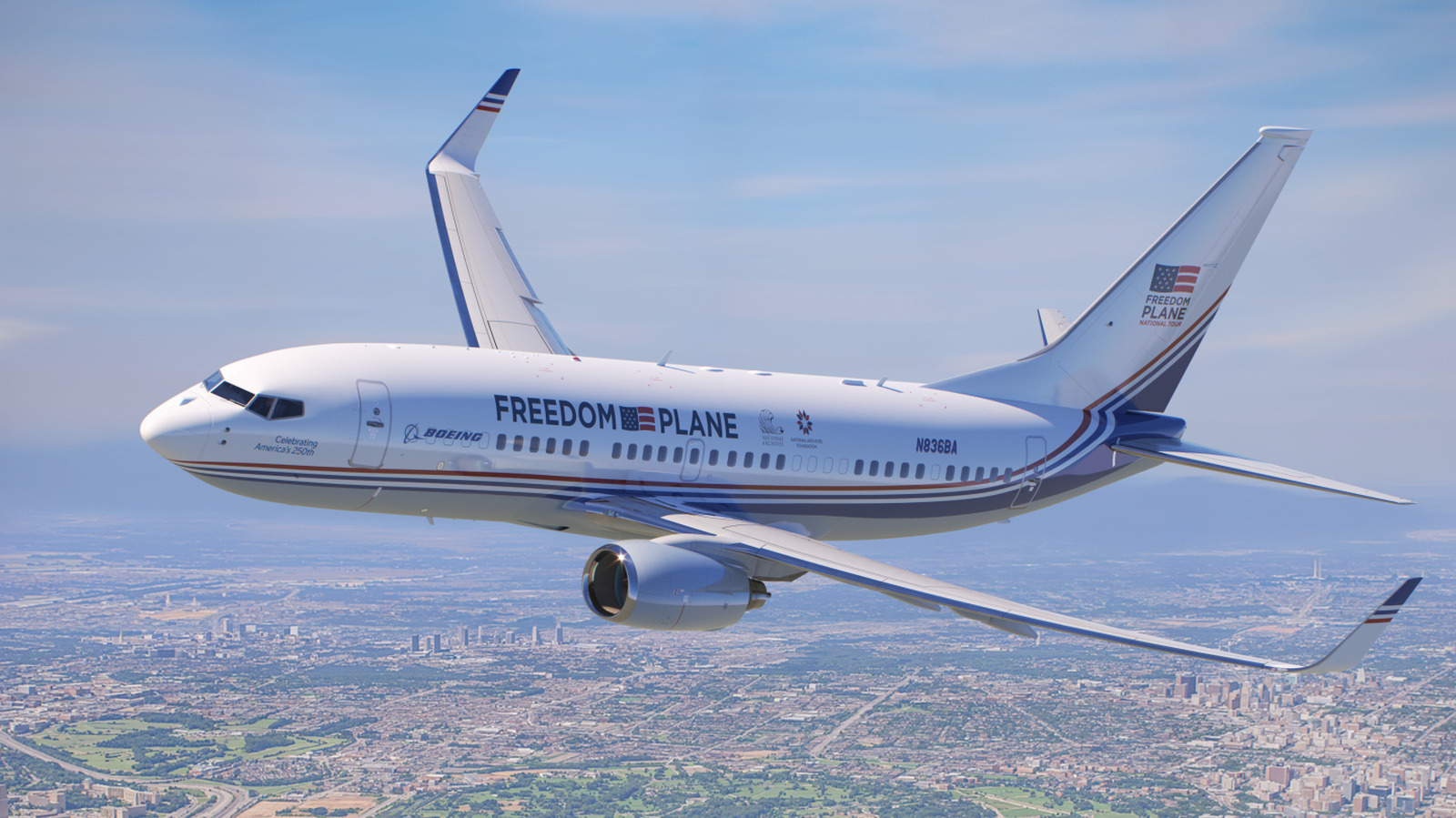
In celebration of America's 250th anniversary, a unique aviation project dubbed the Freedom Plane is bringing rarely seen founding-era documents directly to communities across the United States. The initiative involves a specially configured aircraft equipped with advanced climate-controlled display systems that allow fragile historical artifacts to travel safely at altitude and be viewed by the public at stops nationwide.
The documents, which are normally locked away in secured archival vaults and never placed on public display, include original manuscripts, letters, and legal instruments from the nation's earliest years. The Freedom Plane project represents an unprecedented intersection of aviation logistics, archival preservation technology, and public education.
Preservation Technology at Altitude
Transporting centuries-old paper documents by air presents extraordinary conservation challenges. Temperature fluctuations, humidity changes, pressure differentials, and vibration can all accelerate deterioration of fragile historical materials. The Freedom Plane addresses these concerns with a custom-engineered cabin environment built specifically for this purpose.
Display cases within the aircraft maintain precise temperature and humidity levels regardless of external conditions. Specialized UV-filtering glass protects documents from light damage while still allowing clear viewing. Vibration-dampening mounts isolate the displays from the aircraft's mechanical systems, preventing micro-movements that could stress aged paper fibers over time.
The preservation systems were developed in partnership with archival conservation specialists who typically work with institutions like the National Archives and the Library of Congress. Adapting their techniques for an airborne environment required novel engineering solutions that could maintain museum-grade conditions during takeoff, flight, and landing across dozens of stops.

A Touring Exhibition Unlike Any Other
The Freedom Plane's itinerary spans dozens of cities across the continental United States, with planned stops at both major metropolitan airports and smaller regional airfields. At each location, the aircraft opens its doors to the public for guided viewing sessions led by historians and archival specialists who provide context for each document on display.
This approach to public exhibition differs fundamentally from traditional museum loans, which require months of planning, insurance arrangements, and facility assessments. By bringing the controlled environment with the documents, the Freedom Plane sidesteps many of these logistical hurdles while reaching communities that may not have access to major research libraries or national museum collections.
Organizers say the response has been overwhelming, with viewing slots filling up within hours of being announced at each stop. For many visitors, it represents a once-in-a-lifetime opportunity to see original documents from the founding era that are otherwise permanently stored out of public view for conservation reasons.
The Semiquincentennial Celebration
The Freedom Plane is one of several high-profile initiatives marking the United States Semiquincentennial, the nation's 250th birthday celebration running throughout 2026. While other commemorative projects focus on digital experiences, museum exhibitions, and community events, the Freedom Plane stands out for its combination of historical significance and technological ingenuity.
The project has drawn attention not only for its educational value but also for the engineering challenges it has overcome. Aviation historians note that while aircraft have been used to transport valuable cargo since the earliest days of commercial flight, creating a fully functional mobile museum environment within an aircraft cabin represents something genuinely new in both aviation and archival practice.
Connecting Communities to History
Beyond the technological achievement, the Freedom Plane project addresses a fundamental challenge in public history: access. Major archival collections are concentrated in a handful of East Coast cities, making them difficult to visit for Americans living in the Midwest, South, and West. By bringing the documents to the people rather than requiring the people to travel to the documents, the initiative democratizes access to the nation's founding heritage.
Local communities have organized complementary events around each Freedom Plane visit, including lectures, school field trips, and civic celebrations. The project has become a focal point for conversations about American history, governance, and the enduring relevance of founding-era ideals in contemporary life.
As the aircraft continues its tour through the anniversary year, it carries with it not just priceless documents but a reminder that innovation in service of education and public engagement remains one of the most meaningful applications of technology.
This article is based on reporting by Jalopnik. Read the original article.
Originally published on jalopnik.com