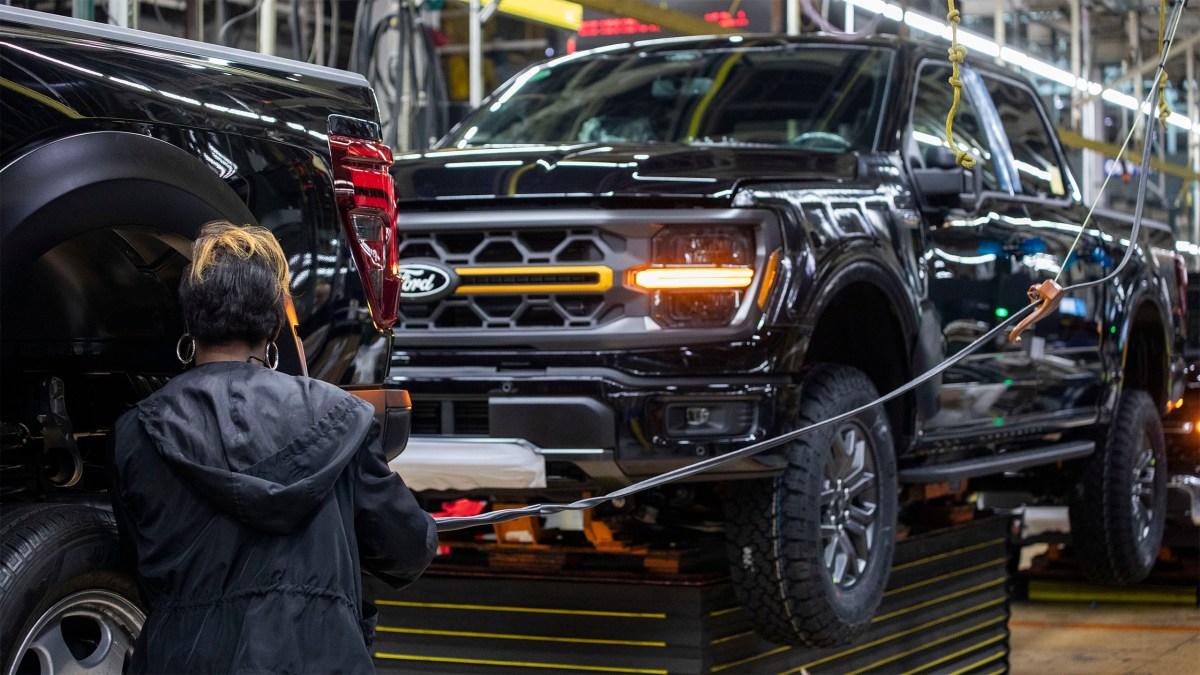
एक प्रमुख कच्चे माल की कमी अब भी अमेरिका की सबसे बड़ी पिकअप फ्रैंचाइज़ को प्रभावित कर रही है
The Drive द्वारा संक्षेपित रिपोर्टिंग के अनुसार, Ford का F-150 उत्पादन अभी भी एल्युमिनियम की कमी से प्रभावित हो रहा है, जिसने पिछले साल के अंत में उत्पादन पर असर डालना शुरू किया था। यह समस्या केवल आपूर्ति-श्रृंखला की असुविधा नहीं है। बढ़ती धातु लागतों के कारण Ford का 2026 में कमोडिटी पर $2 बिलियन खर्च करने का अनुमान है, जो उसकी मूल अपेक्षा का दोगुना है, और यही इसे एक बहुत बड़े लागत बोझ से जोड़ता है।
सीमित उत्पादन और बढ़ती इनपुट लागतों का यह संयोजन F-150 के लिए विशेष रूप से महत्वपूर्ण है, क्योंकि यह ट्रक सिर्फ एक और मॉडल लाइन नहीं है। यह Ford के सबसे महत्वपूर्ण वाणिज्यिक वाहनों में से एक है और अमेरिकी फुल-साइज़ पिकअप बाजार का एक केंद्रीय हिस्सा है। इसलिए F-150 उत्पादन पर दबाव का वित्तीय और प्रतीकात्मक, दोनों तरह का महत्व है।
यह कमी अस्थायी नहीं, लगातार बनी हुई है
स्रोत सामग्री में सबसे महत्वपूर्ण विवरण अवधि है। एल्युमिनियम की आपूर्ति छह महीने से अधिक समय से कम है, और समस्या अब भी उत्पादन को प्रभावित कर रही है। इससे यह एक अल्पकालिक व्यवधान से कम और एक लंबे समय तक बनी रहने वाली औद्योगिक बाधा अधिक लगती है, जिसके वास्तविक योजना-परिणाम हैं।
ऑटोमेकर्स अक्सर शेड्यूल समायोजित करके, ट्रिम स्तरों को प्राथमिकता देकर, या इन्वेंट्री कम करके घटक या कमोडिटी में आने वाले संक्षिप्त व्यवधानों को संभाल लेते हैं। लेकिन जब कमी लगातार बनी रहती है, तो यह व्यापक परिचालन मान्यताओं को बदलने लगती है। पूर्वानुमान लगाना कठिन हो जाता है, आपूर्तिकर्ता वार्ताएं बदलती हैं, और उत्पादन योजना अधिक रक्षात्मक हो जाती है।
Ford के लिए, एल्युमिनियम समस्या की निरंतरता यह संकेत देती है कि परिपक्व विनिर्माण प्रणालियां भी ऊपर की आपूर्ति-श्रृंखला में सामग्री अस्थिरता के प्रति कमजोर बनी रहती हैं। ट्रक प्लांट निर्माण के लिए तैयार हो सकता है; बाजार खरीदने के लिए तैयार हो सकता है; लेकिन यदि कोई मुख्य इनपुट तंग बना रहता है, तो पूरी प्रणाली फिर भी धीमी पड़ जाती है।

F-150 के लिए एल्युमिनियम इतना महत्वपूर्ण क्यों है
स्रोत सामग्री कोई तकनीकी इतिहास नहीं देती, लेकिन F-150 के लिए एल्युमिनियम का महत्व इसके प्रभाव से स्पष्ट है। उत्पादन पर इतना गंभीर असर, जिसे “wreak havoc” कहा गया है, यह दर्शाता है कि धातु का उसी पैमाने या गति पर आसानी से विकल्प उपलब्ध नहीं है।
यह कठोरता ऑटोमोबाइल क्षेत्र में व्यापक महत्व रखती है। वाहन निर्माण गहराई से एकीकृत सामग्री विकल्पों पर निर्भर करता है, जो टूलिंग, लागत, वजन, मरम्मत-योग्यता और प्रदर्शन को आकार देते हैं। जब किसी प्रमुख सामग्री की कीमत या उपलब्धता बदलती है, तो उसका असर शायद ही केवल खरीद विभाग तक सीमित रहता है। यह सीधे उत्पादन शेड्यूल और मार्जिन तक फैलता है।
Ford के मामले में, 2026 में कमोडिटी खर्च के $2 बिलियन तक पहुंचने का रिपोर्ट किया गया उछाल यह दिखाता है कि सामग्री-जनित महंगाई शुरुआती अनुमानों को कितनी जल्दी पीछे छोड़ सकती है। भले ही उत्पादन मात्रा अंततः सामान्य हो जाए, कमोडिटी बाजार निर्माता के विरुद्ध जाने पर इन वाहनों की अर्थव्यवस्था फिर भी तेज़ी से बिगड़ सकती है।
व्यापक उद्योग परिदृश्य भी शांत नहीं है
The Drive का संक्षेप Ford की कहानी को एक व्यापक ऑटोमोटिव अनिश्चितता वाले वातावरण में रखता है, जिसमें टैरिफ चिंताएं, Audi पर नौकरी कटौती का दबाव, हाल की अवधि में Volvo की बिक्री में गिरावट, और उद्योग के अन्य हिस्सों में इलेक्ट्रिफिकेशन से जुड़ी निरंतर उपलब्धियां शामिल हैं। इसलिए Ford की एल्युमिनियम समस्या ऐसे क्षेत्र में सामने आती है जो पहले से ही अस्थिर लागतों, नीतिगत जोखिमों और असमान मांग संकेतों से जूझ रहा है।
यह महत्वपूर्ण है क्योंकि जब आसपास की प्रणाली स्थिर हो, तब आपूर्ति झटकों को संभालना आसान होता है। जब कंपनियां पहले से ही व्यापक आर्थिक दबाव, अंतरराष्ट्रीय व्यापार जोखिम, और प्रौद्योगिकी बदलावों से जुड़ी पूंजीगत मांगों को संतुलित कर रही हों, तब उन्हें अवशोषित करना कठिन हो जाता है।
इस अर्थ में, एल्युमिनियम की कमी केवल Ford की समस्या नहीं है। यह इस बात का एक और उदाहरण है कि महामारी के बाद औद्योगिक नाज़ुकता का सबक अभी गया नहीं है। कमजोर कड़ी सेमीकंडक्टर्स से बैटरियों तक या कच्चे माल तक बदल सकती है, लेकिन रणनीतिक समस्या लगभग वही रहती है: एक आधुनिक वाहन उतना ही लचीला है जितना उसका सबसे सीमित आवश्यक इनपुट।
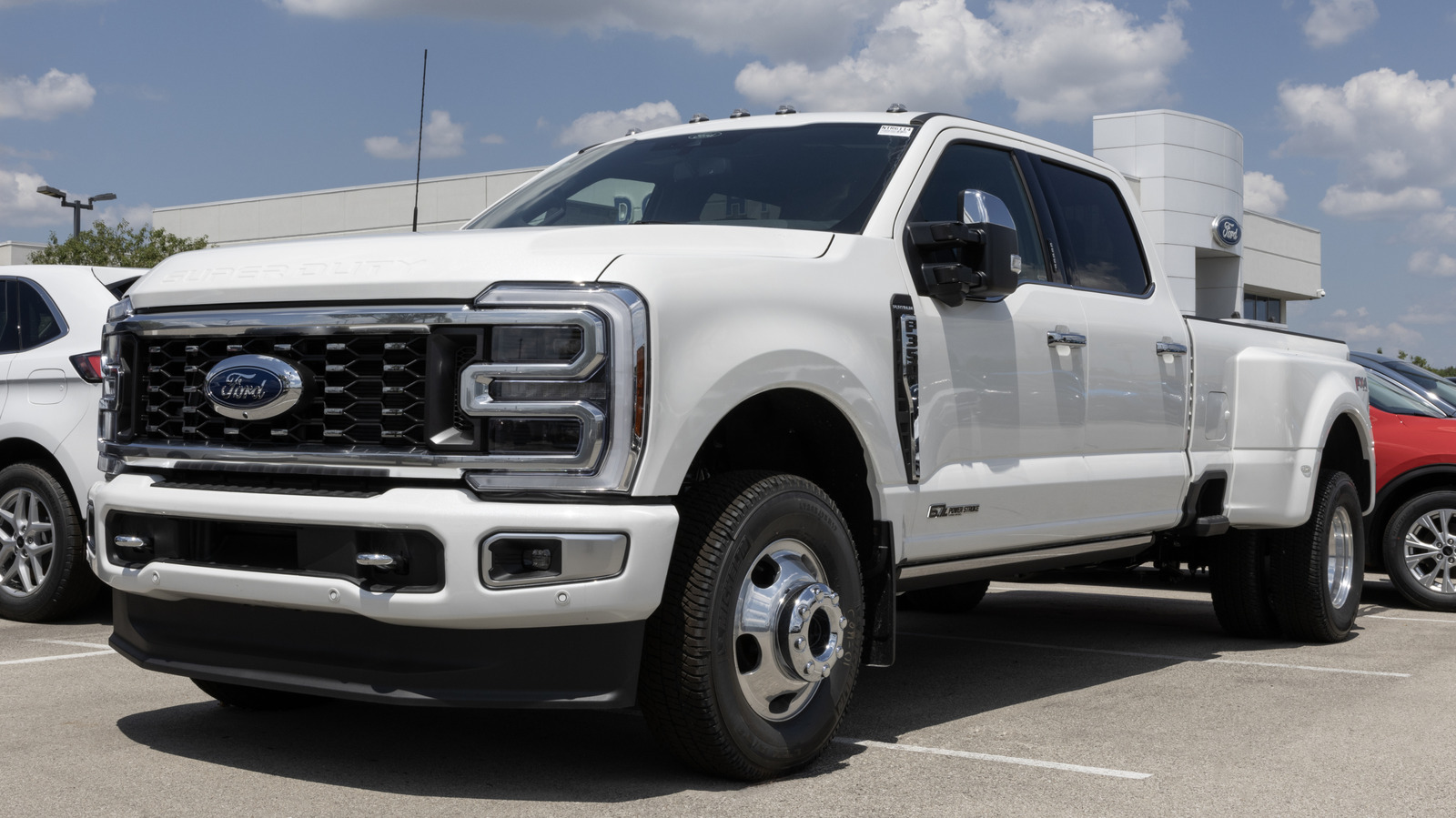
ट्रक बाजार के लिए इसका क्या मतलब है
यदि F-150 की आपूर्ति सीमित बनी रहती है, तो प्रभाव Ford के आंतरिक वित्तीय ढांचे से आगे जा सकते हैं। पिकअप खरीदार, डीलर, आपूर्तिकर्ता और प्रतिस्पर्धी सभी इस बदलाव को महसूस करते हैं। कम उपलब्धता इन्वेंट्री को कड़ा कर सकती है, लेन-देन की गतिशीलता बदल सकती है, और यदि उपभोक्ताओं को अपनी पसंद के कॉन्फ़िगरेशन नहीं मिलते तो प्रतिद्वंद्वी मॉडलों के लिए अवसर पैदा कर सकती है।
स्रोत सामग्री उत्पादन हानि या इन्वेंट्री प्रभाव को मात्रात्मक रूप से नहीं बताती, इसलिए उन प्रभावों को बढ़ा-चढ़ाकर नहीं कहना चाहिए। लेकिन “the pickup” की स्टॉक आपूर्ति को सीमित करने का उल्लेख यह संकेत देता है कि समस्या इतनी स्पष्ट है कि वह उपलब्धता को प्रभावित कर रही है, सिर्फ फैक्ट्री अकाउंटिंग को नहीं।
इस तरह की समस्या बाजार की पृष्ठभूमि में बनी रह सकती है, भले ही वह सुर्खियों पर हावी न रहे। खरीदार इसे लॉट्स पर कम यूनिटों या लंबे इंतजार के रूप में महसूस कर सकते हैं। निर्माता इसे राजस्व की गुणवत्ता और पूर्वानुमेयता पर एक बोझ के रूप में देखते हैं।
असल निष्कर्ष
Ford से जुड़ा यह अपडेट याद दिलाता है कि ऑटोमोटिव उद्योग की सबसे महत्वपूर्ण कहानियां हमेशा भव्य नए उत्पाद लॉन्च नहीं होतीं। कभी-कभी वे धातु के बारे में होती हैं। F-150 उत्पादन में महीनों बाद भी हस्तक्षेप करती रहने वाली एल्युमिनियम की कमी हमें एक बुनियादी लेकिन महत्वपूर्ण बात बताती है: जटिल, कीमत-संवेदनशील सामग्री प्रवाह पर उद्योग की निर्भरता अब भी एक केंद्रीय कारोबारी जोखिम है।
Ford अंततः इस बाधा से बाहर निकल सकता है। लेकिन कमोडिटी खर्च के अपेक्षित दोगुना होने की रिपोर्ट दिखाती है कि उत्पादन समस्याओं को संभाल लेने के बाद भी लागत का नुकसान बना रह सकता है। ऑटोमेकर्स के लिए लचीलापन सिर्फ अगला वाहन बनाने के बारे में नहीं है। यह उन सामग्रियों को सुरक्षित करने के बारे में भी है जो उसे बनाना संभव बनाती हैं।
यह लेख The Drive की रिपोर्टिंग पर आधारित है। मूल लेख पढ़ें.
Originally published on thedrive.com