अंतरिक्ष निर्माण अब एक औषधीय उपयोग-क्षेत्र के और करीब
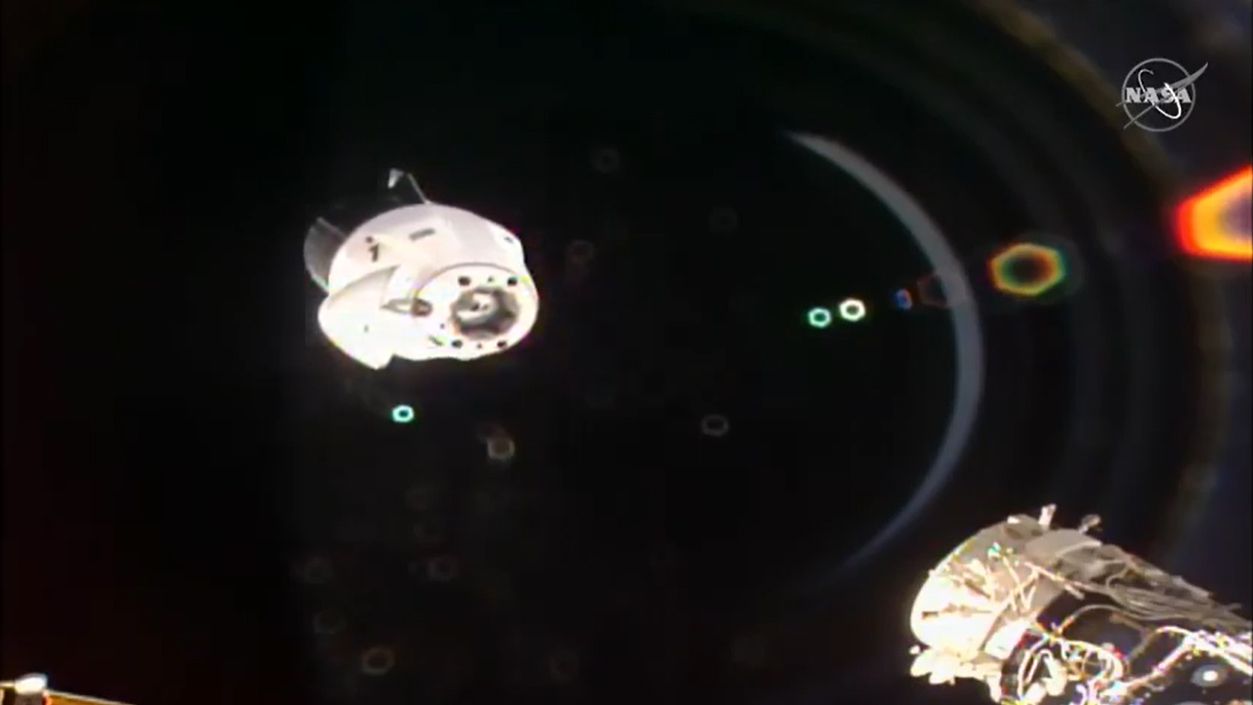
Varda Space Industries ने, जिसे SpaceNews अपनी पहली बड़ी फार्मास्युटिकल कंपनी के साथ समझौता बताता है, United Therapeutics के साथ साझेदारी की है ताकि माइक्रोग्रैविटी में नई दवा संरचनाओं का अध्ययन किया जा सके। यह सहयोग दुर्लभ फुफ्फुसीय रोग के उपचारों से शुरू होगा और अंतरिक्ष-आधारित फॉर्मुलेशन कार्य के लिए Varda के अंतरिक्षयान को मंच के रूप में इस्तेमाल करेगा।
यह घोषणा इसलिए महत्वपूर्ण है क्योंकि यह लंबे समय से चर्चा में रही वैज्ञानिक संभावना को एक ठोस व्यावसायिक संबंध से जोड़ती है। शोधकर्ताओं का वर्षों से तर्क रहा है कि माइक्रोग्रैविटी ऐसे क्रिस्टल संरचनाओं को संभव बना सकती है जिन्हें पृथ्वी पर बनाना कठिन या असंभव होता है, आंशिक रूप से इसलिए क्योंकि अंतरिक्ष अवसादन और संवहन धाराओं जैसे प्रभावों से बचाता है, जो निर्माण और क्रिस्टलीकरण प्रक्रियाओं को जटिल बना सकते हैं। इन संरचनात्मक अंतरों से दवा के प्रदर्शन में सुधार हो सकता है।
दवा शोधकर्ताओं को माइक्रोग्रैविटी ने क्यों आकर्षित किया
माइक्रोग्रैविटी में औषधीय कार्य का वादा इस विचार पर आधारित है कि अंतरिक्ष केवल एक दूरस्थ प्रयोगशाला नहीं, बल्कि एक भिन्न उत्पादन वातावरण है। पृथ्वी पर गुरुत्वाकर्षण यह प्रभावित करता है कि कण कैसे बैठते हैं और द्रव कैसे प्रवाहित होते हैं। कक्षा में, ये बाधाएँ बदल जाती हैं। इससे यह बदल सकता है कि यौगिक कैसे बनते हैं और क्रिस्टल कैसे बढ़ते हैं, और उन फॉर्मुलेशनों की जांच के अवसर मिलते हैं जो स्थलीय समकक्षों से अलग व्यवहार कर सकती हैं।
औषधि कंपनियों के लिए आकर्षण केवल नवीनता नहीं है। यह ऐसी दवा-भिन्नताएँ बनाने की संभावना है जिनसे वास्तविक चिकित्सीय लाभ मिलें। United Therapeutics इस सहयोग को इसी दृष्टि से देख रही है, और कहती है कि वह यह जानना चाहती है कि क्या अंतरिक्ष-आधारित निर्माण दुर्लभ फुफ्फुसीय रोग के उपचारों में महत्वपूर्ण सुधार ला सकता है।
Varda क्या लेकर आई है
Varda ने अपना व्यवसाय ठीक इसी प्रस्ताव के इर्द-गिर्द बनाया है। कंपनी के W-series अंतरिक्षयान कक्षा में औषधीय पेलोड ले जाने और रीय-एंट्री कैप्सूल के जरिए परिणाम पृथ्वी पर वापस लाने के लिए बनाए गए हैं। यह वापसी क्षमता मॉडल का केंद्रीय हिस्सा है। अंतरिक्ष-आधारित निर्माण तभी व्यावसायिक रूप से प्रासंगिक बनता है जब उत्पादों या नमूनों को इतनी कुशलता से पुनः प्राप्त किया जा सके कि वे जमीन पर विकास पाइपलाइन में काम आ सकें।
कंपनी ने फार्मास्यूटिकल्स को एक मुख्य बाजार के रूप में लगातार अधिक स्पष्ट किया है। SpaceNews नोट करता है कि Varda ने जुलाई 2025 में Series C राउंड में 187 मिलियन डॉलर जुटाए थे और कहा था कि उस पूंजी का एक हिस्सा अंतरिक्ष में दवा-फॉर्मुलेशन शोध के लिए एक फ़ार्मास्युटिकल लैब बनाने में जाएगा। इसलिए United Therapeutics समझौता किसी अलग-थलग प्रयोग जैसा कम और Varda की व्यापक रणनीति के शुरुआती सत्यापन जैसा अधिक दिखता है।
सैद्धांतिक रुचि से आगे एक कदम
माइक्रोग्रैविटी औषधीय शोध पर अक्सर International Space Station के संदर्भ में चर्चा होती रही है, लेकिन वह तरीका संचालन की दृष्टि से काफी जटिल हो सकता है। फरवरी में Beyond Earth Symposium में, United Therapeutics की चेयर और मुख्य कार्यकारी Martine Rothblatt ने कहा था कि उन्होंने इस तरह के काम पर विचार किया था, लेकिन स्टेशन के उपयोग की लॉजिस्टिक कठिनाई पर भी जोर दिया था। Varda का तर्क है कि समर्पित व्यावसायिक अंतरिक्षयान इस तरह के शोध को अधिक प्रत्यक्ष और अधिक व्यावहारिक बना सकते हैं।
इसका मतलब यह नहीं कि व्यावसायिक मॉडल पूरी तरह सिद्ध हो गया है। कंपनियों ने वित्तीय शर्तें या अध्ययनों की विस्तृत समय-सीमा सार्वजनिक नहीं की। उन्होंने यह भी नहीं बताया कि किसी सफल फॉर्मुलेशन कार्य से नैदानिक विकास में लाभ कितनी जल्दी मिल सकता है। ये अनुत्तरित प्रश्न इस चरण में सामान्य हैं, लेकिन यही वे प्रश्न हैं जो तय करेंगे कि अंतरिक्ष-सक्षम दवा निर्माण एक दिलचस्प आला से एक वास्तविक औषधीय उपकरण बनता है या नहीं।
यह साझेदारी क्या संकेत देती है
इन अनिश्चितताओं के बावजूद, यह समझौता स्पेस इकोनॉमी के लिए एक महत्वपूर्ण संकेतक है। यह दिखाता है कि एक औषधि कंपनी एक विशेषज्ञ अंतरिक्ष निर्माण फर्म से केवल शोध जिज्ञासा के रूप में नहीं, बल्कि संभावित विकास साझेदार के रूप में जुड़ने को तैयार है। यह Varda के लिए महत्वपूर्ण है, जो इस बात के प्रमाण ढूंढ रही है कि अंतरिक्ष में औद्योगिक उत्पादन की अवधारणा के पीछे भुगतान करने वाली मांग मौजूद है।
यह व्यापक वाणिज्यिक अंतरिक्ष क्षेत्र के लिए भी मायने रखता है, जहां निवेशक और संचालक लॉन्च, संचार और पृथ्वी अवलोकन से आगे बढ़ने वाले व्यवसायों की तलाश जारी रखते हैं। यदि माइक्रोग्रैविटी फॉर्मुलेशन बेहतर दवाएँ या अधिक भिन्नीकृत उपचार दे सकता है, तो अंतरिक्ष निर्माण को आवर्ती व्यावसायिक प्रासंगिकता की ओर एक स्पष्ट मार्ग मिल सकता है।
अभी के लिए, Varda-United Therapeutics समझौते को एक शुरुआती लेकिन महत्वपूर्ण परीक्षण के रूप में देखना सबसे उचित है। यह माइक्रोग्रैविटी विज्ञान को एक लक्षित रोग-क्षेत्र, एक निश्चित साझेदार और एक मौजूदा अंतरिक्षयान मंच से जोड़ता है। यह इस क्षेत्र में पिछली कई दावों से अधिक ठोस है, और उभरते स्पेस-मैन्युफैक्चरिंग बाजार को अब तक का सबसे मजबूत वास्तविक-विश्व सत्यापन बिंदु देता है।
यह लेख SpaceNews की रिपोर्टिंग पर आधारित है। मूल लेख पढ़ें.
Originally published on spacenews.com