Artemis 3 Crew Revealed
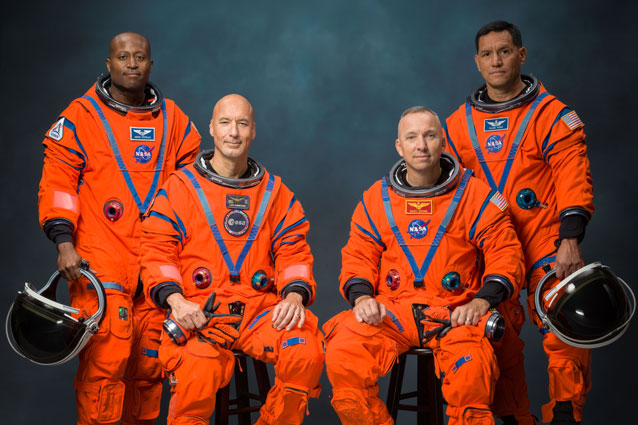
NASA has officially named the four astronauts who will fly the Artemis 3 mission, a critical step in the agency's campaign to return humans to the lunar surface. The crew includes Commander Randy Bresnik, Pilot Luca Parmitano, and Mission Specialists Andre Douglas and Frank Rubio. The announcement was made Tuesday at the Johnson Space Center, marking the next major milestone in the Artemis program.
Meet the Crew
Commander Randy Bresnik
Randy "Komrade" Bresnik, 58, is a former Marine fighter pilot and a graduate of the U.S. Navy's TOPGUN program. He has logged 149 days in space, including a space shuttle flight in 2009 and a long-duration stay aboard the International Space Station in 2017. Bresnik brings extensive experience in spaceflight operations and leadership.
Pilot Luca Parmitano
Luca Parmitano, 49, is a European Space Agency astronaut who has completed two long-duration stays on the ISS. His experience includes complex spacewalks and scientific research, making him a valuable asset for the intricate orbital maneuvers planned for Artemis 3.
Mission Specialist Andre Douglas
Andre Douglas, 40, is a space rookie who served as a backup crew member for the recently completed Artemis 2 mission around the moon. His training and familiarity with the Orion spacecraft will be crucial for the mission's objectives.
Mission Specialist Frank Rubio
Frank Rubio, 49, holds the U.S. record for the longest single spaceflight at 371 days, spent aboard the ISS in 2022-2023. His endurance and experience in long-duration missions will contribute to the crew's resilience during the test flight.

Mission Objectives
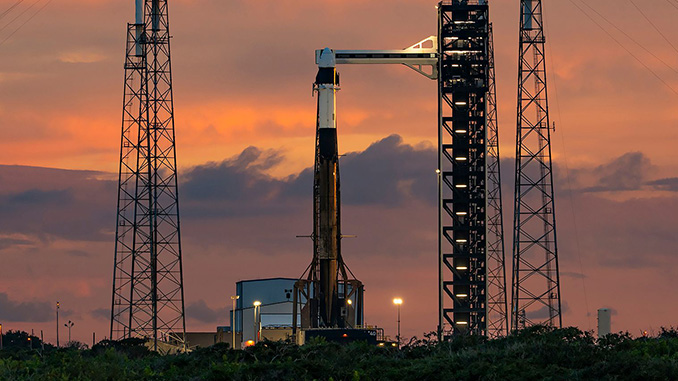
Artemis 3 is designed to test rendezvous and docking procedures with lunar landers being built by SpaceX and Blue Origin. The crew will launch atop a Space Launch System rocket in an Orion capsule and practice chasing down each lander in Earth orbit. This step-by-step approach ensures that the techniques work as planned before they are applied in lunar orbit for a future landing.
Commander Bresnik emphasized the incremental nature of the mission: "We are doing flight tests on every single flight, incrementally determining the flight envelope, expanding it, proving out capabilities and making the operational procedures that we have more and more precise. Because every single mission we will do after this will be more challenging and more complex."
Symbolic Baton Pass
During the ceremony, Artemis 2 commander Reid Wiseman passed a symbolic baton to Bresnik, representing the handoff from one crew to the next in NASA's drive to return astronauts to the moon's surface. Wiseman remarked, "Randy, in your comments, I really loved when you said that you all are the link from (Artemis) 2 to the surface, and that really resonated with me. And you guys know, we've been carrying these batons around for way too long. So with that, the Artemis 2 crew, Komrade, hands you the baton. You've got the controls."
Critical Test for NASA and Partners
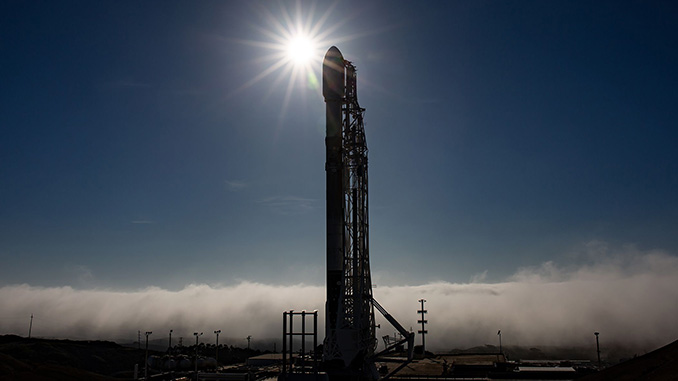
The flight poses a major test for mission managers and engineers at NASA, SpaceX, and Blue Origin, who will have to coordinate multiple heavy-lift rocket launches. Success will pave the way for Artemis 4, which aims to land astronauts on the lunar surface in 2028. The Artemis 3 mission is scheduled for next year, focusing on Earth orbit operations before the more complex lunar orbit docking and landing.
Bresnik expressed the crew's humility and determination: "We are certainly humbled as a crew, being that unifying link between the phenomenal Artemis 2 mission we just had two months ago and the Artemis IV mission that will follow ours, where we will again … land humans on another celestial body."
Looking Ahead
With the crew named, NASA continues its steady progress toward sustainable lunar exploration. Artemis 3 will validate key technologies and procedures, ensuring that when astronauts do return to the moon, they do so safely and effectively. The mission represents a critical building block in humanity's return to deep space.
This article is based on reporting by Spaceflight Now. Read the original article.

Originally published on spaceflightnow.com