Artemis के महत्वपूर्ण घटक का एक स्वतंत्र मूल्यांकन
NASA के इंस्पेक्टर जनरल ने अपने वाणिज्यिक चंद्रमा लैंडर कार्यक्रम के प्रबंधन का आकलन जारी किया है — Human Landing System अनुबंध जो Artemis कार्यक्रम के हिस्से के रूप में चंद्रमा की सतह पर अंतरिक्ष यात्रियों को ले जाएगा। Spaceflight Now द्वारा रिपोर्ट किए गए इस आकलन में प्रबंधन जोखिमों की एक श्रृंखला की पहचान की गई है जिसे Inspector General का तर्क है कि पर्याप्त रूप से संबोधित नहीं किया गया है, जिसमें ठेकेदार निरीक्षण प्रथाएं, शेड्यूल मान्यताएं और वे प्रक्रियाएं शामिल हैं जिनके द्वारा NASA अपने वाणिज्यिक भागीदारों के हार्डवेयर की तकनीकी परिपक्वता का मूल्यांकन करता है।
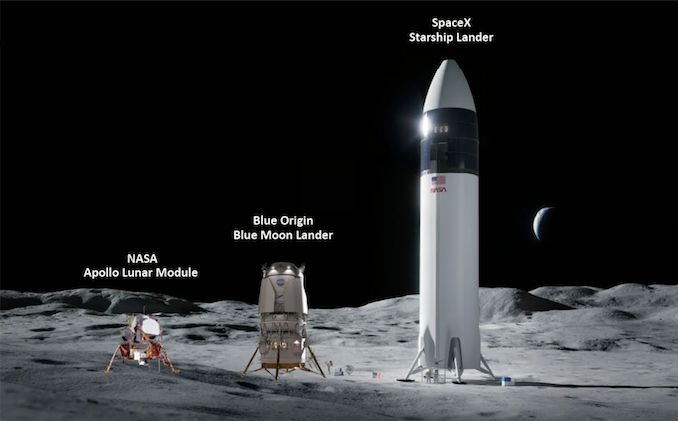
यह रिपोर्ट एक संवेदनशील समय पर आती है। Artemis कार्यक्रम को वर्षों की देरी, लागत में अधिकता और दायरे में परिवर्तन का सामना करना पड़ा है, और वाणिज्यिक लैंडर अनुबंध — SpaceX को इसके Starship Human Landing System संस्करण के लिए और Blue Origin को इसके Blue Moon लैंडर के लिए दिए गए — कार्यक्रम के सबसे तकनीकी रूप से नवीन और उच्च दांव वाले तत्वों का प्रतिनिधित्व करते हैं। अंतरिक्ष यात्रियों को चंद्रमा की सतह पर सुरक्षित रूप से लाना और वापस लौटना लैंडर सिस्टम पर निर्भर करता है जिन्हें अभी तक आवश्यक पैमाने और विश्वसनीयता पर पूरी तरह से प्रदर्शित नहीं किया गया है।
मुख्य निष्कर्ष
Inspector General का आकलन चिंता के कई विशिष्ट क्षेत्रों पर केंद्रित है। पहला, NASA की अपने वाणिज्यिक लैंडर ठेकेदारों पर निरीक्षण काफी हद तक ठेकेदार द्वारा आत्म-रिपोर्टिंग पर निर्भर करती है बजाय तकनीकी प्रगति के स्वतंत्र सत्यापन के — एक तरीका जो ऐतिहासिक रूप से उच्च-प्रोफाइल कार्यक्रमों में अंधे स्थान बनाता है जहां ठेकेदारों के पास शेड्यूल मील का पत्थर और भुगतान समय सीमा की रक्षा के लिए प्रगति को अनुकूल रूप से प्रस्तुत करने के लिए प्रोत्साहन होता है।
दूसरा, IG वाणिज्यिक लैंडर पर मुख्य उप-प्रणालियों की तकनीकी तत्परता स्तर का आकलन करने के तरीके के बारे में चिंताओं की पहचान करता है। तत्परता स्तर आकलन प्राथमिक उपकरण हैं जिनके द्वारा कार्यक्रम प्रबंधक मूल्यांकन करते हैं कि क्या कोई तकनीक विकास के अगले चरण के लिए तैयार है। यदि उन आकलनों को शेड्यूल दबाव द्वारा संचालित किया जाता है बजाय वास्तविक तकनीकी मूल्यांकन के, कार्यक्रम हार्डवेयर को मिशन उपयोग के लिए आगे बढ़ाने का जोखिम उठाता है इससे पहले कि यह वास्तव में तैयार हो।
तीसरा, रिपोर्ट एक मिशन आर्किटेक्चर के लिए NASA के जोखिम दृष्टिकोण के बारे में चिंताएं उठाती है जिसमें कई महत्वपूर्ण पहली उड़ानें शामिल हैं: SpaceX का Starship अभी तक दल-संबंधित सिस्टम के साथ एक सफल कक्षीय मिशन प्रोफाइल पूरा नहीं किया है, और Artemis आर्किटेक्चर के लिए आवश्यक चंद्रमा सतह पुन: देवनी और डॉकिंग संचालन कभी भी किए नहीं गए हैं।
NASA की प्रतिक्रिया और व्यापक संदर्भ
NASA प्रबंधन ने IG निष्कर्षों पर समझौते और असहमति के मिश्रण के साथ प्रतिक्रिया दी है — कुछ सिफारिशें स्वीकार करते हुए जबकि तर्क देते हुए कि अन्य पहले से मौजूद निरीक्षण तंत्र के माध्यम से संबोधित की जा रही हैं। एजेंसी ने जोर दिया है कि इसकी वाणिज्यिक लैंडर रणनीति इस समझ के साथ डिज़ाइन की गई थी कि ये सिस्टम सक्रिय विकास में हैं और जोखिम प्रबंधन एक चल रहा प्रक्रिया है बजाय एक हल की गई समस्या के।
IG रिपोर्ट महत्वपूर्ण बजट अनिश्चितता की पृष्ठभूमि के विरुद्ध आती है। वर्तमान प्रशासन के तहत NASA के मानव अंतरिक्ष उड़ान बजट में प्रस्तावित कटौती एक कार्यक्रम पर अतिरिक्त दबाव बनाती है जो पहले से ही शेड्यूल बाधाओं के तहत काम कर रहा था। एक संपीड़ित बजट वातावरण शेड्यूल दबाव और तकनीकी कठोरता के बीच तनाव को तीव्र करता है — ठीक वह कारक संयोजन जो NASA के सुरक्षा इतिहास सुझाते हैं सबसे सावधानीपूर्वक प्रबंधन की आवश्यकता है।
चंद्रमा समय सीमा के लिए इसका क्या मतलब है
NASA ने IG निष्कर्षों की प्रतिक्रिया में अभी तक अपने Artemis III चंद्रमा लैंडिंग लक्ष्य तारीख को सार्वजनिक रूप से संशोधित नहीं किया है, लेकिन रिपोर्ट आकलन की एक लंबी सूची में जोड़ता है जो सुझाव देता है कि कार्यक्रम की निकट-अवधि की शेड्यूल महत्वाकांक्षाएं शामिल तकनीकी और कार्यक्रमीय चुनौतियों को पूरी तरह से ध्यान में नहीं रखती हैं। IG रिपोर्ट सलाहकार के बजाय बाध्यकारी हैं, लेकिन वे Congress और Government Accountability Office के साथ वजन रखती हैं, जो उन्हें प्रमुख संघीय कार्यक्रमों पर अपनी निरीक्षण में इनपुट के रूप में उपयोग करते हैं।
1972 में Apollo 17 के बाद से पहली बार मनुष्यों को चंद्रमा पर लौटाने का मार्ग तकनीकी रूप से व्यवहार्य रहता है, लेकिन IG का आकलन एक अनुस्मारक है कि व्यवहार्यता और शेड्यूल आत्मविश्वास अलग चीजें हैं, और उनके बीच का अंतराल वह जगह है जहां प्रमुख अंतरिक्ष कार्यक्रम समस्याएं आम तौर पर उत्पन्न होती हैं।
यह लेख Spaceflight Now द्वारा रिपोर्टिंग पर आधारित है। मूल लेख पढ़ें।
Originally published on spaceflightnow.com