एक प्रसिद्ध अणु की उत्पत्ति की कहानी अब अधिक स्पष्ट
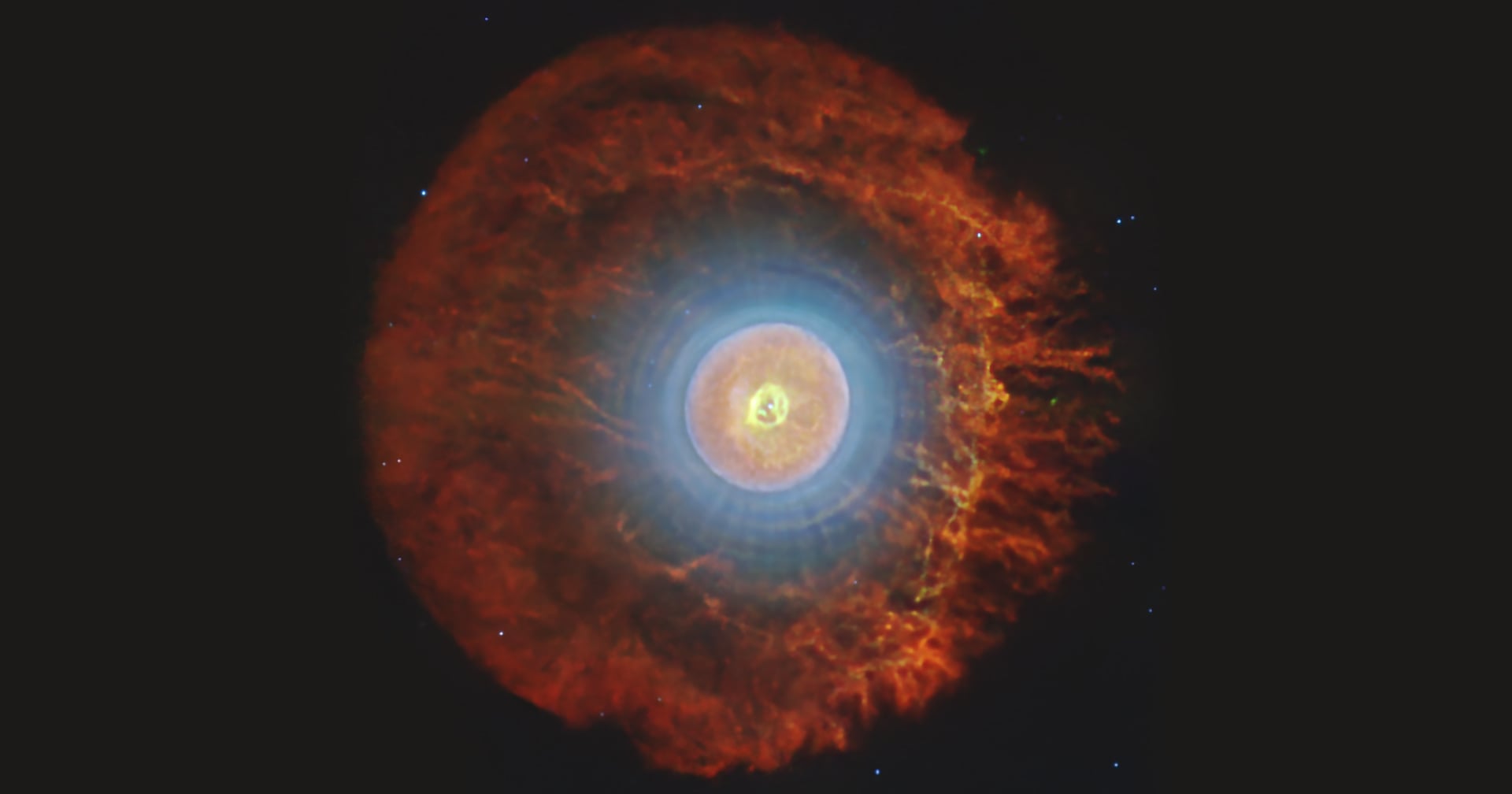
James Webb Space Telescope का उपयोग करने वाले खगोलविदों ने यह समझने की दिशा में एक बड़ा कदम उठाया है कि अंतरिक्ष रसायनशास्त्र के सबसे पहचाने जाने वाले अणुओं में से एक कहाँ बनता है। यह लक्ष्य Tc 1 है, जो पृथ्वी से लगभग 12,400 प्रकाश-वर्ष दूर Ara नक्षत्र में स्थित एक planetary nebula है, और यह अणु buckminsterfullerene है, जिसे “buckyball” के नाम से बेहतर जाना जाता है।
ये नई टिप्पणियाँ Professor Jan Cami और Western University के उनके सहयोगियों से आई हैं, जो 2010 में Spitzer Space Telescope का उपयोग करके अंतरिक्ष में buckyballs की पहली पहचान करने वाली टीम का भी हिस्सा थे। Webb के Mid-Infrared Instrument, या MIRI, के साथ टीम ने अब उसी वस्तु पर लौटकर, स्रोत के अनुसार, नेबुला का पहला विस्तृत दृश्य तैयार किया है। उस अधिक समृद्ध डेटा सेट ने, बदले में, इन असामान्य कार्बन संरचनाओं के जन्मस्थान की ओर संकेत किया है।
यह महत्वपूर्ण है, क्योंकि buckyballs केवल वैज्ञानिक जिज्ञासा नहीं हैं। वे इस बात का मानक हैं कि कठोर astrophysical परिवेशों में जटिल अणु कैसे बन सकते हैं। यदि शोधकर्ता यह पहचान सकें कि वे कहाँ और किन परिस्थितियों में बनते हैं, तो उन्हें इस व्यापक मार्ग पर बेहतर पकड़ मिलती है जिसके जरिए कार्बन-आधारित रसायनशास्त्र ब्रह्मांड में फैलता है।
buckyballs क्या हैं और वैज्ञानिकों के लिए ये क्यों महत्वपूर्ण हैं
buckyballs 60 कार्बन परमाणुओं से बने गोलाकार अणु हैं, जो षट्भुजों और पंचभुजों के पैटर्न में व्यवस्थित होते हैं। उनका औपचारिक रासायनिक नाम C60 है, और उनकी संरचना एक फुटबॉल और एक geodesic dome दोनों जैसी दिखती है। इस अणु का पहली बार 1985 में University of Sussex के Sir Harry Kroto और उनके सहयोगियों द्वारा संश्लेषण किया गया था; बाद में इस कार्य ने 1996 के रसायन विज्ञान में नोबेल पुरस्कार में योगदान दिया। Kroto ने इस संरचना का नाम architect Buckminster Fuller के नाम पर buckminsterfullerene रखा, जिनके domes उसी ज्यामिति को प्रतिध्वनित करते थे।
खगोलविदों द्वारा अंतरिक्ष में इसकी पुष्टि किए जाने से बहुत पहले, वैज्ञानिकों को संदेह था कि ऐसे अणु ब्रह्मांड में व्यापक हो सकते हैं। कार्बन प्रचुर मात्रा में है, और astrophysical वातावरण आश्चर्यजनक रूप से जटिल रसायनशास्त्र उत्पन्न करने में सक्षम हैं। फिर भी, अनुमान का मतलब पता लगाना नहीं होता। 2010 तक जाकर ही Cami और उनके सहयोगियों ने Spitzer की Tc 1 टिप्पणियों का उपयोग करके अंतरिक्ष में buckyballs के प्रमाण प्रस्तुत किए।
उस खोज ने तुरंत एक कठिन प्रश्न उठाया: प्रकृति में ये अणु वास्तव में कैसे उत्पन्न होते हैं? किसी nebula में अणु मिल जाना अपने आप यह नहीं बताता कि उस परिवेश के भीतर वह कहाँ बना, किस radiation field ने उसे आकार दिया, या तारकीय विकास के किस चरण ने आवश्यक परिस्थितियाँ पैदा कीं। इन्हीं प्रश्नों को Webb और अधिक स्पष्ट करने के लिए बनाया गया है।
Tc 1 इतना खुलासा करने वाली प्रयोगशाला क्यों है
Tc 1 एक planetary nebula है, जिसका अर्थ है कि यह एक मरते हुए तारे के चमकदार अवशेष हैं, जो कभी broadly रूप से सूर्य के समान था। अपने nuclear fuel के समाप्त होने के बाद, तारा भीतर की ओर ढह गया और अपनी बाहरी परतें छोड़ दीं। वे निकली हुई गैसें अब white dwarf, अर्थात् तारकीय अवशेष, के चारों ओर एक प्रकाशित shell बनाती हैं। स्रोत के अनुसार, यह रूपांतरण दसियों हज़ार वर्षों में घटित होता है, जिससे खगोलविदों को रासायनिक रूप से समृद्ध और गतिशील रूप से बदलते परिवेश में अवलोकन की एक लंबी खिड़की मिलती है।
यह Tc 1 को केवल एक सुंदर दृश्य वस्तु से कहीं अधिक बनाता है। यह तीव्र radiation और बदलती भौतिक परिस्थितियों के प्रति अणुओं की प्रतिक्रिया का अध्ययन करने के लिए एक प्राकृतिक प्रयोगशाला है, खासकर किसी तारे के मरने के बाद। स्रोत में उद्धृत शोध कार्यक्रम को स्पष्ट रूप से बड़े अणुओं की उनके radiative environment के साथ अंतःक्रिया के मात्रात्मक अध्ययन के रूप में प्रस्तुत किया गया था। दूसरे शब्दों में, टीम केवल यह पुष्टि नहीं करना चाहती थी कि fullerenes वहाँ मौजूद हैं। वह उनके और उन्हें घेरने वाले nebula के बीच संबंध का नक्शा बनाना चाहती थी।
Webb की बढ़त उसकी संवेदनशीलता और विस्तार में है, विशेषकर infrared में। Mid-Infrared Instrument धूल, गैस और जटिल अणुओं से जुड़ी emissions का पता लगा सकता है, जिन्हें कम सक्षम observatories से ठीक से वर्णित करना कठिन होता है। बेहतर उपकरण के साथ nebula का पुनरीक्षण करके, टीम पहचान से आगे बढ़कर संदर्भ तक पहुँच सकी। स्रोत के अनुसार, इसका परिणाम Tc 1 में buckyballs की उत्पत्ति की ओर संकेत देने वाले प्रमाण हैं।
Webb युग में यह अंतरिक्ष रसायनशास्त्र के बारे में क्या बताता है
इस परिणाम का व्यापक महत्व एक अकेले अणु से कहीं आगे जाता है। खगोल विज्ञान अब केवल तारों और आकाशगंगाओं के बारे में नहीं, बल्कि रसायनशास्त्र के बारे में भी है। शोधकर्ता जानना चाहते हैं कि साधारण परमाणु जटिल यौगिकों में कैसे बदलते हैं, वे यौगिक कैसे टिकते हैं, और एक पीढ़ी के तारों द्वारा संसाधित पदार्थ अगली पीढ़ी के लिए बीज कैसे बनता है। कार्बन-आधारित अणु विशेष रूप से महत्वपूर्ण हैं, क्योंकि ग्रहों, वातावरणों और जीवन-संबंधी पूर्ववर्तियों से जुड़ी रसायनशास्त्र में कार्बन केंद्रीय है।
एक मृत तारे के आसपास fullerenes कहाँ बनते हैं, इसे स्पष्ट करके Tc 1 की टिप्पणियाँ उस बड़े puzzle का एक हिस्सा सीमित करने में मदद करती हैं। वे संकेत देती हैं कि planetary nebulae केवल मलबे के क्षेत्र नहीं हैं, बल्कि सक्रिय रासायनिक परिवेश हैं, जहाँ संरचित कार्बन अणु बन सकते हैं और बने रह सकते हैं। यह इस कहानी में एक महत्वपूर्ण परिष्कार है कि पदार्थ आकाशगंगा के माध्यम से कैसे पुनर्चक्रित होता है।
यह परिणाम Webb के वैज्ञानिक मूल्य को भी दर्शाता है, न कि केवल एक discovery machine के रूप में, बल्कि एक follow-up machine के रूप में भी। इसका कुछ सबसे महत्वपूर्ण कार्य उन वस्तुओं पर लौटने से आएगा, जिनका अध्ययन पहले के observatories ने किया था, और लंबे समय से चली आ रही अस्पष्टताओं को दूर करने से। Spitzer ने दिखाया कि buckyballs अंतरिक्ष में मौजूद हैं। Webb अब यह दिखाना शुरू कर रहा है कि किसी विशिष्ट तारकीय परिवेश के भीतर वे संभवतः कहाँ से आते हैं।
यह परियोजना Cycle 3 JWST General Observer program के तहत की गई थी और Canadian Space Agency, Natural Sciences and Engineering Research Council of Canada, तथा Western University Accelerator Award द्वारा समर्थित थी। संस्थागत समर्थन यह याद दिलाता है कि ऐसी उच्च-प्रोफ़ाइल ब्रह्मांडीय खोजें अक्सर निवेश की लंबी श्रृंखलाओं पर निर्भर करती हैं: 1980 के दशक की प्रयोगशाला रसायनशास्त्र, 2010 की infrared astronomy, और 2020 के दशक के अगली पीढ़ी के अंतरिक्ष observatories।
यह निरंतरता ही नए Tc 1 परिणाम को इतना प्रभावशाली बनाती है। एक अणु, जो कभी मुख्यतः एक elegant laboratory structure के रूप में जाना जाता था और बाद में एक astronomical surprise बना, अब तारकीय मृत्यु, आणविक संयोजन, और ब्रह्मांड की carbon economy के बारे में अधिक पूर्ण कथा का हिस्सा बन रहा है। Webb केवल उस कहानी की और सुंदर तस्वीरें नहीं ले रहा है। यह समझाने में मदद कर रहा है कि कहानी काम कैसे करती है।
यह कहानी क्यों महत्वपूर्ण है
- ये निष्कर्ष एक प्रसिद्ध कार्बन अणु को अधिक विशिष्ट astrophysical formation environment से जोड़ते हैं।
- वे दिखाते हैं कि Webb स्थानिक और रासायनिक विवरण जोड़कर Spitzer-युग की पहले की खोजों को कैसे गहरा कर सकता है।
- यह कार्य अंतरिक्ष में जटिल आणविक रसायनशास्त्र के अध्ययन के लिए planetary nebulae को प्रमुख स्थलों के रूप में मजबूत करता है।
यह लेख Universe Today की रिपोर्टिंग पर आधारित है। मूल लेख पढ़ें.

Originally published on universetoday.com