बृहस्पति की ओर जा रहे एक अंतरिक्षयान ने एक दुर्लभ अंतरतारकीय घटना को कैद किया
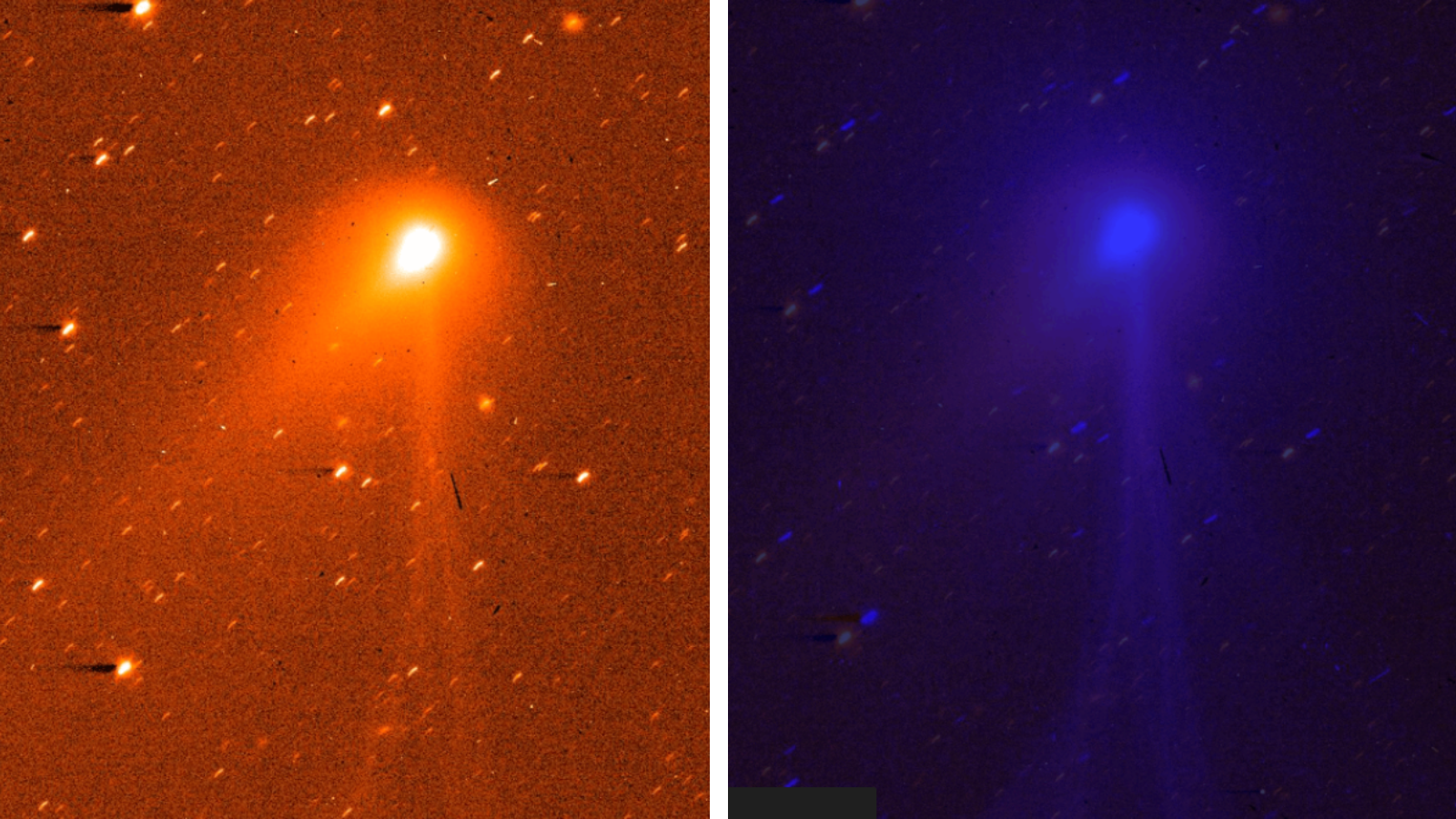
यूरोपीय अंतरिक्ष एजेंसी का Jupiter Icy Moons Explorer, जिसे बेहतर रूप से JUICE कहा जाता है, ने अंतरतारकीय धूमकेतु 3I/ATLAS को असाधारण दर से जलवाष्प छोड़ते हुए देखा है। उपलब्ध स्रोत सामग्री के अनुसार, शोधकर्ताओं का अनुमान है कि धूमकेतु प्रति सेकंड लगभग दो टन पानी उत्सर्जित कर रहा है, जो लगभग 70 ओलंपिक-आकार के स्विमिंग पूलों के जलवाष्प प्रतिदिन के बराबर है।
यह संख्या प्रभावशाली है, लेकिन इस अवलोकन का गहरा महत्व इसकी दुर्लभता में है। 3I/ATLAS को ऐसा केवल तीसरा पिंड बताया गया है जिसे सौरमंडल की सीमाओं के बाहर से उसके भीतर से गुजरते हुए खोजा गया है। ऐसे आगंतुक वैज्ञानिकों को अपने गृह क्षेत्र से बाहर गए बिना अन्य तारों के चारों ओर बनी सामग्री का अध्ययन करने का एक असामान्य अवसर देते हैं। उस अर्थ में, 3I/ATLAS सिर्फ एक और धूमकेतु नहीं है। यह आकाशगंगा में कहीं और बने किसी ग्रह-तंत्र के इतिहास का आयातित नमूना है।
JUICE ने नवंबर 2025 में अपने MAJIS और JANUS उपकरणों का उपयोग करके यह अवलोकन किया, जबकि अंतरिक्षयान बृहस्पति और उसके बर्फीले चंद्रमाओं की अपनी लंबी यात्रा जारी रखे हुए था। धूमकेतु, सौरमंडल के मूल धूमकेतुओं की तरह, सूर्य के करीब आने पर और सौर ताप के उसके बर्फीले सतह को सक्रिय करने पर पदार्थ छोड़ने लगा। यही परिचित व्यवहार इस पिंड को वैज्ञानिक रूप से उपयोगी बनाता है। भले ही इसकी उत्पत्ति सौरमंडल के बाहर हुई हो, लेकिन यह सौर ऊर्जा पर उन तरीकों से प्रतिक्रिया कर रहा है जिनकी तुलना शोधकर्ता हमारे यहां बने धूमकेतुओं से कर सकते हैं।
अंतरतारकीय धूमकेतु इतने मूल्यवान क्यों हैं
हर ग्रह-तंत्र गैस, धूल, बर्फ और चट्टान के मिश्रण से बनता है, लेकिन उसका सटीक नुस्खा और इतिहास अलग होता है। अंतरतारकीय पिंड हमारे तंत्र में बचे अवशेषों की अन्य तारों के चारों ओर बनी सामग्री से तुलना करने के कुछ प्रत्यक्ष तरीकों में से एक हैं। यदि वैज्ञानिक यह पहचान सकें कि 3I/ATLAS किससे बना है, और सौर ऊष्मन के तहत यह कैसे व्यवहार करता है, तो उन्हें ऐसी परिस्थितियों की एक झलक मिलती है जो शायद सूर्य से भी पहले की हों या किसी बहुत भिन्न तारकीय वातावरण से उत्पन्न हुई हों।
स्रोत पाठ में स्पष्ट रूप से कहा गया है कि यह खोज वैज्ञानिकों को अन्य तारों के चारों ओर ग्रहों के निर्माण के दौरान मौजूद तत्वों का अध्ययन करने में मदद कर सकती है, जो संभवतः सूर्य से कहीं अधिक पुराने हों। यह एक शक्तिशाली वैज्ञानिक निहितार्थ है। इसका अर्थ है कि यह धूमकेतु किसी दूरस्थ और संभवतः प्राचीन तंत्र की रासायनिक जानकारी को सुरक्षित रख सकता है, जो अंतरतारकीय अंतरिक्ष से होकर लगभग अपरिवर्तित हमारे रास्ते तक पहुंची हो।
इस काम के लिए JUICE एक विशेष रूप से दिलचस्प प्रेक्षक है। यह अंतरिक्षयान किसी अंतरतारकीय वस्तु का पीछा करने के लिए नहीं बनाया गया था; इसका प्राथमिक मिशन बृहस्पति और उसके चंद्रमा हैं। फिर भी, आधुनिक ग्रह-अन्वेषण यान अक्सर लचीले वैज्ञानिक मंचों की तरह काम करते हैं, जो क्रूज़ चरणों के दौरान आकस्मिक खोजों में योगदान दे सकते हैं। इस मामले में, बाह्य सौरमंडल के लिए लक्षित एक मिशन ने उससे बाहर से आए एक आगंतुक पर डेटा कैद करने में मदद की है।
दूसरे तारा-तंत्र की सामग्री का अध्ययन करने का एक क्षणभंगुर अवसर
अंतरतारकीय पिंड तेज़ी से चलते हैं, और अवलोकन की खिड़कियां सीमित हो सकती हैं। इसलिए हर उपकरण और हर डेटा सेट महत्वपूर्ण हो जाता है। 3I/ATLAS से दर्ज जल बहाव यह पुष्टि करता है कि धूमकेतु सक्रिय है और सूर्य के प्रकाश के साथ संपर्क में आने पर गतिशील रूप से विकसित हो रहा है। सक्रिय धूमकेतु विशेष रूप से सूचनाप्रद होते हैं क्योंकि उनके द्वारा छोड़ी गई गैसों और धूल का विश्लेषण उनकी संरचना का अनुमान लगाने के लिए किया जा सकता है।
प्रति सेकंड लगभग दो टन का अनुमान भी पैमाने का बोध कराता है। यह अंतरिक्ष में भटकते एक ठंडे अवशेष से होने वाला कोई मामूली रिसाव नहीं है। यह पदार्थ का एक पर्याप्त, जारी उत्सर्जन है, वह प्रकार की गतिविधि जो स्पेक्ट्रोस्कोपिक विश्लेषण को पोषित कर सकती है और शोधकर्ताओं को इस पिंड की रसायन-रचना की तुलना सौरमंडल के भीतर उत्पन्न धूमकेतुओं से करने में मदद कर सकती है।
साथ ही, यहां सबसे मजबूत समर्थित दावे वही हैं जो प्रदान की गई सामग्री तक सीमित हैं। हम जानते हैं कि JUICE ने धूमकेतु को देखा, कि धूमकेतु सक्रिय है, और कि शोधकर्ता इसके अध्ययन में एक बड़ा वैज्ञानिक अवसर देखते हैं। उपलब्ध पाठ पूरा रासायनिक विवरण नहीं देता, न ही यह अभी 3I/ATLAS और स्थानीय धूमकेतुओं के बीच निश्चित अंतर का दावा करता है। यह सावधानी महत्वपूर्ण है। यह अवलोकन इसलिए अहम है क्योंकि यह एक जांच-पथ खोलता है, न कि इसलिए कि उसने उसे पहले ही पूरा कर दिया है।
यह अवलोकन क्यों अलग है
- 3I/ATLAS सौरमंडल से गुजरते हुए पाया गया केवल तीसरा ज्ञात अंतरतारकीय पिंड है।
- JUICE ने धूमकेतु को प्रति सेकंड लगभग दो टन पानी उत्सर्जित करते हुए देखा।
- यह गतिविधि वैज्ञानिकों को दूसरे तारे के चारों ओर ग्रह-निर्माण से जुड़ी सामग्री का अध्ययन करने का एक दुर्लभ अवसर देती है।
- यह खोज दिखाती है कि पारगमन में रहे अंतरिक्षयान अपने मुख्य मिशन लक्ष्यों के बाहर भी उच्च-मूल्य विज्ञान कर सकते हैं।
अंतरिक्ष विज्ञान के लिए, अंतरतारकीय पिंड विशाल प्रश्नों को बहुत छोटे अवलोकन-खंडों में समेट देते हैं। वे संकेत देते हैं कि आकाशगंगा में ग्रह-निर्माण के घटक कितने सामान्य हो सकते हैं, तारा-तंत्र कैसे अलग-अलग विकसित होते हैं, और हमारे अपने सौरमंडल की रसायन-रचना कितनी सामान्य या असामान्य है। 3I/ATLAS के डेटा से यह सब अपने आप नहीं सुलझेगा, लेकिन यह उन पिंडों की एक श्रेणी से एक और मूल्यवान डेटा बिंदु जोड़ता है जिनका अब तक बहुत कम नमूना लिया गया है।
JUICE का यह अवलोकन लंबे अभियानों के दौरान सक्षम उपकरणों को सक्रिय और अनुकूलनीय बनाए रखने के महत्व को भी रेखांकित करता है। बृहस्पति की ओर जाते हुए, इस अंतरिक्षयान ने पहले ही एक अलग ही सीमांत में योगदान दिया है: उस पदार्थ के अध्ययन में, जो कहीं और बना था। एक ऐसे क्षेत्र के लिए जो दुर्लभ अवसरों पर टिका है, 3I/ATLAS सौरमंडल द्वारा देखे गए अधिक दिलचस्प आगंतुकों में से एक बन जाता है।
यह लेख Space.com की रिपोर्टिंग पर आधारित है। मूल लेख पढ़ें.
Originally published on space.com