खगोल विज्ञान के सबसे समृद्ध नए डेटासेट में से एक की सार्वजनिक खोज
खगोलविद यूरोपीय अंतरिक्ष एजेंसी के Euclid टेलीस्कोप की एक बड़ी नई रिलीज़ को छानने में जनता की मदद ले रहे हैं, ताकि ब्रह्मांड की सबसे अधिक दृश्य रूप से प्रभावशाली और वैज्ञानिक रूप से उपयोगी घटनाओं में से एक, यानी गुरुत्वीय लेंस, को ढूंढा जा सके।
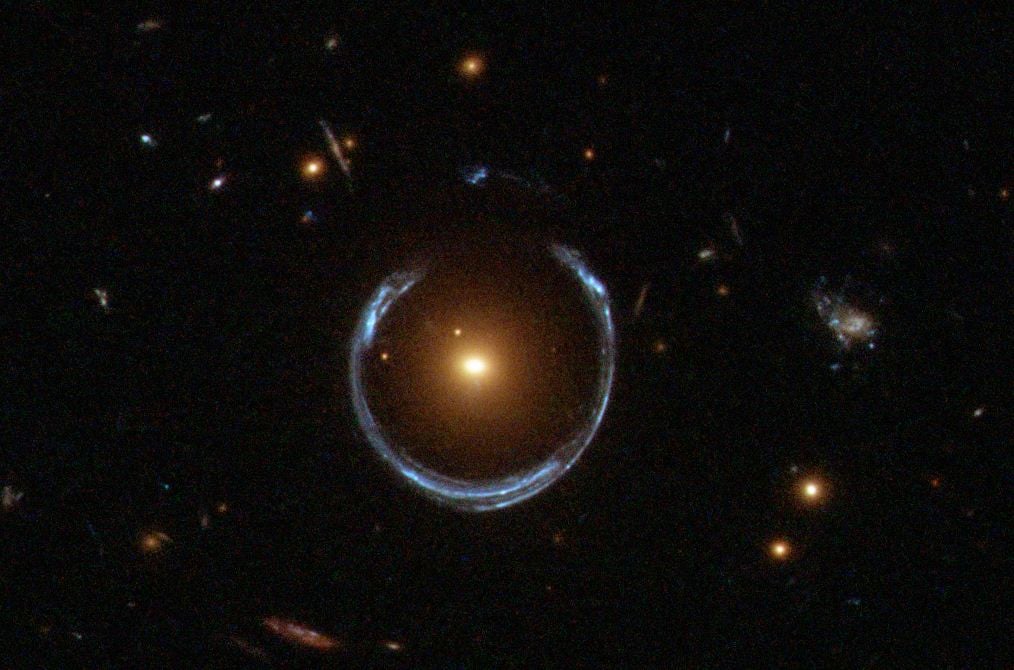
यह प्रयास Zooniverse पर Space Warps नागरिक विज्ञान परियोजना के माध्यम से आयोजित किया जा रहा है, जहां स्वयंसेवक टेलीस्कोप छवियों में उन विशिष्ट संकेतों की समीक्षा करते हैं जो किसी भारी अग्रभूमि पिंड द्वारा प्रकाश के मुड़ने से बनते हैं। ये संकेत खिंचे हुए चापों, विकृत धब्बों, या लगभग पूर्ण आइंस्टीन वलयों के रूप में दिखाई दे सकते हैं।
गुरुत्वीय लेंस क्यों महत्वपूर्ण हैं
गुरुत्वीय लेंसिंग सीधे आइंस्टीन के सामान्य सापेक्षता सिद्धांत से निकलती है। विशाल आकाशगंगाएँ और आकाशगंगा समूह अंतरिक्ष को विकृत करते हैं, और उस मुड़ी हुई ज्यामिति से गुजरने वाला प्रकाश अपना पथ बदल देता है। जब कोई दूरस्थ स्रोत, कोई भारी अग्रभूमि पिंड, और पर्यवेक्षक सही ढंग से एक सीध में आ जाते हैं, तो पृष्ठभूमि का पिंड चमकदार चापों या वलयों में विकृत दिखाई दे सकता है।
ये केवल सुंदर विचित्रताएँ नहीं हैं। लेंस प्राकृतिक दूरबीनों की तरह काम करते हैं, दूरस्थ आकाशगंगाओं को बड़ा दिखाते हैं, जिन्हें अन्यथा विस्तार से अध्ययन करने के लिए बहुत मंद या बहुत छोटी माना जा सकता है। वे खगोलविदों को द्रव्यमान का मानचित्र बनाने का तरीका भी देते हैं, जिसमें ऐसा पदार्थ भी शामिल है जो सीधे प्रकाश उत्सर्जित नहीं करता। यही कारण है कि वे आकाशगंगा विकास, ब्रह्मांडीय संरचना और ब्रह्मांड की बड़े पैमाने की बनावट को समझने के लिए मूल्यवान उपकरण हैं।

Euclid ने खोज को कहीं बड़ा बना दिया है
स्रोत पाठ के अनुसार Euclid की नवीनतम रिलीज़ में लगभग 72 मिलियन आकाशगंगाएँ शामिल हैं, जो मिशन के शुरुआती डेटासेट से लगभग 30 गुना बड़ी है। यह पैमाना समस्या को बदल देता है। खगोलविद विशाल अभिलेखों को छाँटने के लिए स्वचालित प्रणालियों का उपयोग कर सकते हैं, लेकिन उन्नत सॉफ़्टवेयर भी सब कुछ नहीं पकड़ पाता, खासकर तब जब आकार सूक्ष्म, अनियमित, या साधारण आकाशगंगा संरचनाओं से आसानी से भ्रमित होने वाले हों।
प्रदान किए गए लेख के अनुसार, कृत्रिम बुद्धिमत्ता ने पहले ही क्षेत्र को लगभग 300,000 उम्मीदवार छवियों तक सीमित कर दिया है। इतनी छँटाई के बाद भी, मात्रा इतनी बड़ी है कि एक छोटी पेशेवर टीम उसे कुशलता से जांच नहीं सकती। यहीं नागरिक विज्ञान काम आता है।
AI स्क्रीनिंग के बाद भी मनुष्यों की जरूरत क्यों है
यहाँ जनता की भूमिका प्रतीकात्मक नहीं है। मानव पैटर्न पहचान अभी भी अस्पष्ट दृश्य संरचनाओं को पहचानने में सक्षम है, जिन्हें एल्गोरिद्म पूरी तरह सही ढंग से रैंक नहीं कर पाते। लेंस खोज में इसका मतलब हो सकता है किसी वास्तविक गुरुत्वीय चाप को किसी मिलती-जुलती कलाकृति, अग्रभूमि विशेषता, या साधारण आकाशगंगा आकार से अलग पहचानना।
मशीन-आधारित प्राथमिक चयन और मानवीय समीक्षा का यह संयोजन बड़े वैज्ञानिक सर्वेक्षणों में बार-बार इस्तेमाल होने वाला मॉडल बन चुका है। AI विशाल डेटासेट पर पहला चरण संभालता है; लोग किनारे के मामलों, असामान्य पैटर्नों और दृश्य रूप से जटिल उदाहरणों पर निर्णय देते हैं। व्यवहार में Euclid की लेंस खोज दोनों का एक साथ उपयोग कर रही है: पहले गणनात्मक पैमाना, फिर वितरित मानवीय ध्यान।
वास्तविक वैज्ञानिक लाभ वाला नागरिक विज्ञान
लेख Space Warps को सार्वजनिक भागीदारी वाले पहले के विज्ञान प्रयासों की परंपरा में रखता है। यह तुलना उपयुक्त है। SETI@home जैसी परियोजनाओं ने इस विचार को लोकप्रिय बनाया कि प्रयोगशालाओं से बाहर के लोग भी अग्रणी शोध में योगदान दे सकते हैं। Space Warps छवियों से समृद्ध खगोल विज्ञान के युग के लिए उस विचार को अद्यतन करती है, जहाँ बाधा केवल कंप्यूटिंग शक्ति नहीं, बल्कि वर्गीकरण भी है।
Euclid के लिए इसका लाभ काफी बड़ा हो सकता है। पुष्टि किए गए गुरुत्वीय लेंसों का बड़ा कैटलॉग खगोलविदों को आगे के अध्ययनों के लिए अधिक लक्ष्य और सांख्यिकीय विश्लेषण के लिए अधिक डेटा बिंदु देगा। इससे आकाशगंगा वितरण और द्रव्यमान संरचना के मॉडलों में सुधार हो सकता है, और साथ ही उन दूरस्थ वस्तुओं तक खिड़कियाँ खुल सकती हैं जिन्हें लेंस संयोगवश बड़ा दिखाते हैं।
बड़े सवालों के लिए बनाया गया टेलीस्कोप
Euclid को ब्रह्मांड की बड़े पैमाने की संरचना का अध्ययन करने के लिए डिज़ाइन किया गया था, और गुरुत्वीय लेंस इस मिशन में स्वाभाविक रूप से फिट बैठते हैं। जितने अधिक लेंस खगोलविद पहचान सकेंगे, उतनी ही बेहतर उनकी क्षमता होगी उन्हें ब्रह्मांडीय वास्तुकला के परीक्षण साधन के रूप में इस्तेमाल करने की। चूंकि मिशन पहले ही करोड़ों आकाशगंगाओं का डेटा पैदा कर रहा है, दुर्लभ और मूल्यवान प्रणालियों के मिलने की संभावना तेजी से बढ़ जाती है।
तो तात्कालिक कहानी सिर्फ यह नहीं है कि टेलीस्कोप ने दिलचस्प तस्वीरें खोजी हैं। बात यह है कि आधुनिक आकाश सर्वेक्षणों का पैमाना अब नियमित रूप से उस सीमा से आगे निकल जाता है जिसे पेशेवर टीमें अकेले जांच सकें। वैज्ञानिक खोज अब बढ़ती हुई तरह से स्वचालित उपकरणों और व्यापक मानवीय भागीदारी के बीच सावधानी से डिज़ाइन की गई साझेदारियों पर निर्भर करती है।
इसका जनता के लिए क्या मतलब है
स्वयंसेवकों के लिए यह परियोजना खगोल विज्ञान की अग्रिम पंक्ति तक सीधी पहुँच देती है। प्रतिभागियों से कोई मामूली सहभागिता अभ्यास पूरा करने को नहीं कहा जा रहा है; वे एक वास्तविक डेटासेट को छानने में मदद कर रहे हैं, उन घटनाओं की तलाश में जो शोध को आगे बढ़ा सकती हैं। इससे यह काम असाधारण रूप से ठोस हो जाता है। घर से छवियाँ देखते हुए कोई व्यक्ति ऐसा लेंस सिस्टम पहचान सकता है जो भविष्य के वैज्ञानिक विश्लेषण का हिस्सा बन जाए।
जैसे-जैसे टेलीस्कोप और बड़े डेटासेट उत्पन्न करते रहेंगे, यह मॉडल और फैलने की संभावना है। Euclid की नई रिलीज़ यही दिखाती है: ब्रह्मांड संरचनाओं से भरा है, लेकिन उसकी सबसे अधिक revealing विकृतियों को ढूंढने में अब भी धैर्यपूर्ण मानवीय आँखों का लाभ मिलता है।
यह लेख Universe Today की रिपोर्टिंग पर आधारित है। मूल लेख पढ़ें.
Originally published on universetoday.com