चंद्र मार्ग पर एक दुर्लभ खगोलीय क्षण घटने वाला है
नासा के आर्टेमिस 2 मिशन पर सवार चार अंतरिक्ष यात्रियों के सामने आधुनिक अंतरिक्ष उड़ान के सबसे दुर्लभ अवलोकन अवसरों में से एक आने की उम्मीद है: चंद्रमा के दूर वाले हिस्से से परे से दिखाई देने वाला पूर्ण सूर्यग्रहण। उपलब्ध रिपोर्ट के अनुसार, यह घटना सोमवार शाम, 6 अप्रैल 2026 को होने वाली है, जब दल मिशन के दौरान चंद्रमा के चारों ओर स्लिंगशॉट की तरह घूमेगा।
केवल यही बात उस क्षण को असाधारण बना देती है। स्रोत सामग्री में बताए अनुसार, यह ग्रहण सिर्फ आर्टेमिस 2 के दल को दिखाई देगा। यह पृथ्वी पर देखने वालों के लिए घटना नहीं है। अंतरिक्ष यात्रियों के दृष्टिकोण से, चंद्रमा सूर्य के ठीक सामने से गुजरेगा और उनकी यात्रा के लिए विशिष्ट ज्यामिति बनाएगा, जिससे ऐसा दृश्य मिलेगा जिसे ज़मीन पर कोई साझा नहीं कर सकता।
यह ग्रहण अलग क्यों है
पूर्ण सूर्यग्रहण अपने आप में दुर्लभ नहीं हैं, लेकिन यह ग्रहण एक अधिक सख्त अर्थ में दुर्लभ है। यह एक ऐसे मानवयुक्त मिशन से जुड़ा है जो अंतरिक्ष में इतनी गहराई तक संचालित हो रहा है कि मनुष्य लगभग कभी जिस स्थिति में नहीं रहे, वहाँ से चंद्रमा और सूर्य को एक साथ देख सके। आर्टेमिस 2 सिर्फ पृथ्वी की परिक्रमा नहीं कर रहा है। यह चंद्रमा से आगे जा रहा है, और रिपोर्ट में कहा गया है कि यह फ्लाईबाय मानव इतिहास की अब तक की सबसे बड़ी दूरी का रिकॉर्ड भी तोड़ेगा।
उस संदर्भ से ग्रहण का अर्थ बदल जाता है। पृथ्वी से देखें तो पूर्ण सूर्यग्रहण स्थान, मौसम और समय से आकार लेने वाली एक ग्रहीय घटना है। आर्टेमिस 2 के लिए वही मूल संरेखण कुछ अधिक अनोखा बन जाता है: चंद्र-स्थानांतरण पथ से बना मिशन-विशिष्ट अवलोकन अवसर। अंतरिक्ष यात्री सिर्फ आकाश नहीं देखेंगे। वे इसे सिसलूनर अंतरिक्ष में एक ऐतिहासिक संचालन स्थिति से देखेंगे।
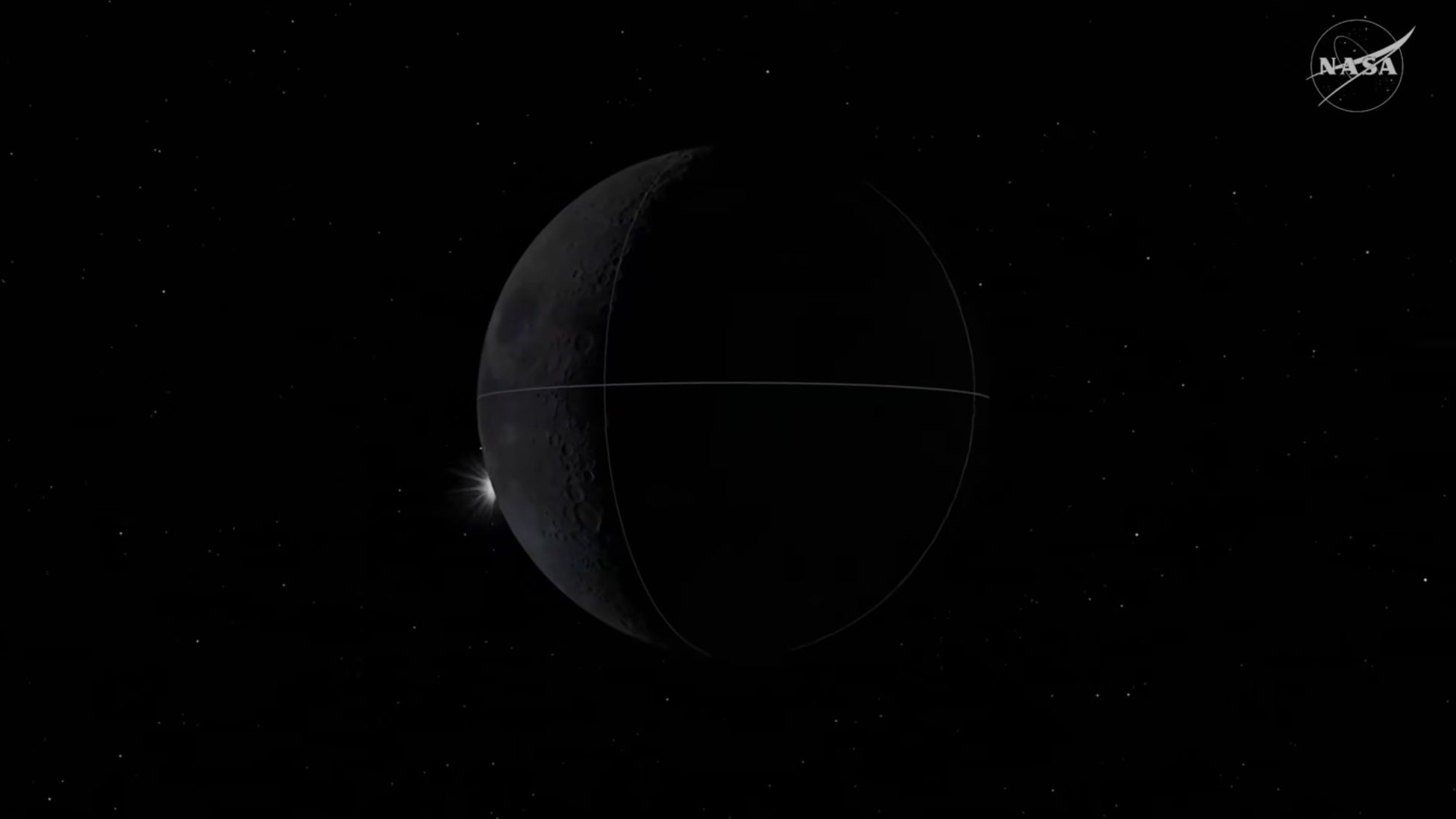
प्रदान की गई सामग्री में एक NASA सिमुलेशन का उल्लेख है, जिसमें ग्रहण के अंतिम चरण दिखाए गए हैं और सूर्य चंद्रमा के बाएं किनारे से उभरना शुरू करता दिखाई देता है। वह छवि दर्शाती है कि इस घटना को पहले से कितनी सावधानी से मॉडल किया जा सकता है, लेकिन यह भी संकेत देती है कि वास्तविक अनुभव कितना संक्षिप्त लगेगा। पृथ्वी पर होने वाले ग्रहणों की तरह, यह तमाशा एक संकीर्ण समय-खंड पर आधारित होता है। गहरे अंतरिक्ष में, जब दल मिशन की गति से आगे बढ़ रहा हो, समय का एहसास और भी नाटकीय लग सकता है।

प्रतीकात्मक क्षण के भीतर छिपा विज्ञान का अवसर
रिपोर्ट कहती है कि आर्टेमिस 2 के अंतरिक्ष यात्री इस घटना का उपयोग कुछ वैज्ञानिक अवलोकन करने के लिए करने की योजना बना रहे हैं। यह एक महत्वपूर्ण विवरण है, क्योंकि यह ग्रहण को मिशन की परिचालन तर्क-प्रणाली में रखता है। आर्टेमिस 2 पर्यटन नहीं है। सार्वजनिक आकर्षण वाले क्षण भी तकनीकी या वैज्ञानिक उद्देश्यों के लिए काम आ सकते हैं।
स्रोत में यह नहीं बताया गया है कि कौन-से सटीक अवलोकन किए जाएंगे, इसलिए दल के लिए किसी विस्तृत शोध-कार्यक्रम को मान लेना जल्दबाजी होगी। फिर भी, ग्रहण का वैज्ञानिक उपयोग करने का निर्णय मानव अंतरिक्ष उड़ान के व्यापक पैटर्न के अनुरूप है, जिसमें मिशन योजनाकार दुर्लभ मिशन ज्यामितियों और अनोखी दृष्टि रेखाओं से ज्ञान निकालने की कोशिश करते हैं। चंद्रमा के परे से दिखाई देने वाला ग्रहण स्वाभाविक रूप से ऐसी ही एक संभावना है।
यह आर्टेमिस की एक परिभाषित विशेषता को भी दर्शाता है। इस कार्यक्रम पर अक्सर हार्डवेयर, समय-सारिणी और भू-राजनीतिक महत्व के संदर्भ में चर्चा होती है, लेकिन ऐसे क्षण इसकी एक और परत दिखाते हैं। गहरे अंतरिक्ष मिशन मनुष्यों को ऐसी जगह रखते हैं जहाँ असामान्य अवलोकन घटनाएँ संभव हो जाती हैं। कुछ परिचालन से जुड़ी होती हैं, कुछ वैज्ञानिक, और कुछ केवल दृष्टिकोण बदलने वाली। आर्टेमिस 2 इन तीनों को एक साथ देने की स्थिति में दिखता है।
क्रू केबिन से परे इस क्षण का महत्व
अंतरिक्ष एजेंसियाँ अक्सर दूरस्थ मिशनों को जनता के लिए समझने योग्य बनाने के लिए छवियों और साझा घटनाओं पर निर्भर करती हैं। चंद्रमा के पीछे से देखा गया सूर्यग्रहण ऐसा दृश्य है जो तुरंत बता देता है कि गहरे अंतरिक्ष का अन्वेषण आज भी ध्यान क्यों खींचता है। यह मिशन की जटिलता को एक सहज दृश्य में समेट देता है: चंद्रमा के पार एक दल, जो ब्रह्मांड को पृथ्वी से असंभव ढंग से संरेखित होते देख रहा है।
यह आर्टेमिस के लिए इसलिए महत्वपूर्ण है क्योंकि यह कार्यक्रम तकनीकी और कथात्मक, दोनों तरह की जिम्मेदारियाँ निभाता है। इसे सुरक्षित और विश्वसनीय ढंग से काम करना है, साथ ही मानवयुक्त चंद्र मिशनों से जनता की परिचितता भी फिर से बनानी है। ग्रहण मिशन को एक दुर्लभ प्रतीकात्मक स्पष्टता देता है। यह याद दिलाता है कि मानव अन्वेषण केवल क्षमता का विस्तार नहीं करता; वह दृष्टिकोण को भी बदल देता है।
रिपोर्ट यह भी नोट करती है कि ज़मीन पर मौजूद दर्शक इस घटना को नहीं देखेंगे। यही विशेषता कहानी का हिस्सा है। ऐसे समय में जब अंतरिक्ष कवरेज का बहुत कुछ लाइवस्ट्रीम, सिमुलेशन और रिमोट सेंसिंग के माध्यम से देखा जाता है, आर्टेमिस 2 का ग्रहण अंतरिक्ष में लोगों को रखने की लगातार विशिष्टता को रेखांकित करता है। कुछ अनुभव अभी भी वहाँ होने पर ही मिलते हैं।
एक मील के पत्थर वाले मिशन के भीतर एक और मील का पत्थर
आर्टेमिस 2 पहले से ही एक बड़े मानवयुक्त चंद्र मिशन के रूप में अलग दिखता है। यह ग्रहण उस बड़े अभियान के भीतर एक यादगार पड़ाव जोड़ता है। यह मिशन का एकमात्र उद्देश्य नहीं है, और इसे उन मूल परिचालन उपलब्धियों पर हावी नहीं होना चाहिए जो अंतरिक्ष यात्रियों को चंद्रमा के चारों ओर ले जाने और सुरक्षित वापस लाने के लिए आवश्यक हैं। लेकिन यह उड़ान को ऐसी छवि देता है जो समय-सीमा के विवरण फीके पड़ जाने के बाद भी लंबे समय तक बनी रह सकती है।
इस घटना में एक ऐतिहासिक गूंज भी है। निम्न पृथ्वी कक्षा से परे मानव अन्वेषण अब भी इतना दुर्लभ है कि हर मिशन ऐसे क्षणों को जमा करता है जो अधिक अंतरिक्ष-यात्री युग में ही सामान्य लगते। आर्टेमिस 2 का ग्रहण उन्हीं क्षणों में से एक है। यह खगोलीय यांत्रिकी, मिशन डिजाइन और मानव उपस्थिति को इस तरह जोड़ता है कि यह रेखांकित होता है कि यह उड़ान अब भी कितनी असाधारण है।
सोमवार शाम, 6 अप्रैल 2026 तक, यदि मिशन की स्थितियाँ अपेक्षा के अनुरूप रहती हैं, तो चार अंतरिक्ष यात्री चंद्रमा के दूर वाले हिस्से से परे से सूर्य को ढकते हुए चंद्रमा को देखेंगे। पृथ्वी पर कोई भी वह नहीं देख पाएगा जो वे देख रहे होंगे। यह केवल एक जिज्ञासा नहीं है। यह इस बात की संक्षिप्त अभिव्यक्ति है कि गहरे अंतरिक्ष का अन्वेषण क्या बदलता है: न सिर्फ़ मनुष्य कहाँ जा सकते हैं, बल्कि वहाँ पहुँचने के बाद वे क्या देख सकते हैं।
यह लेख Space.com की रिपोर्टिंग पर आधारित है। मूल लेख पढ़ें.
Originally published on space.com