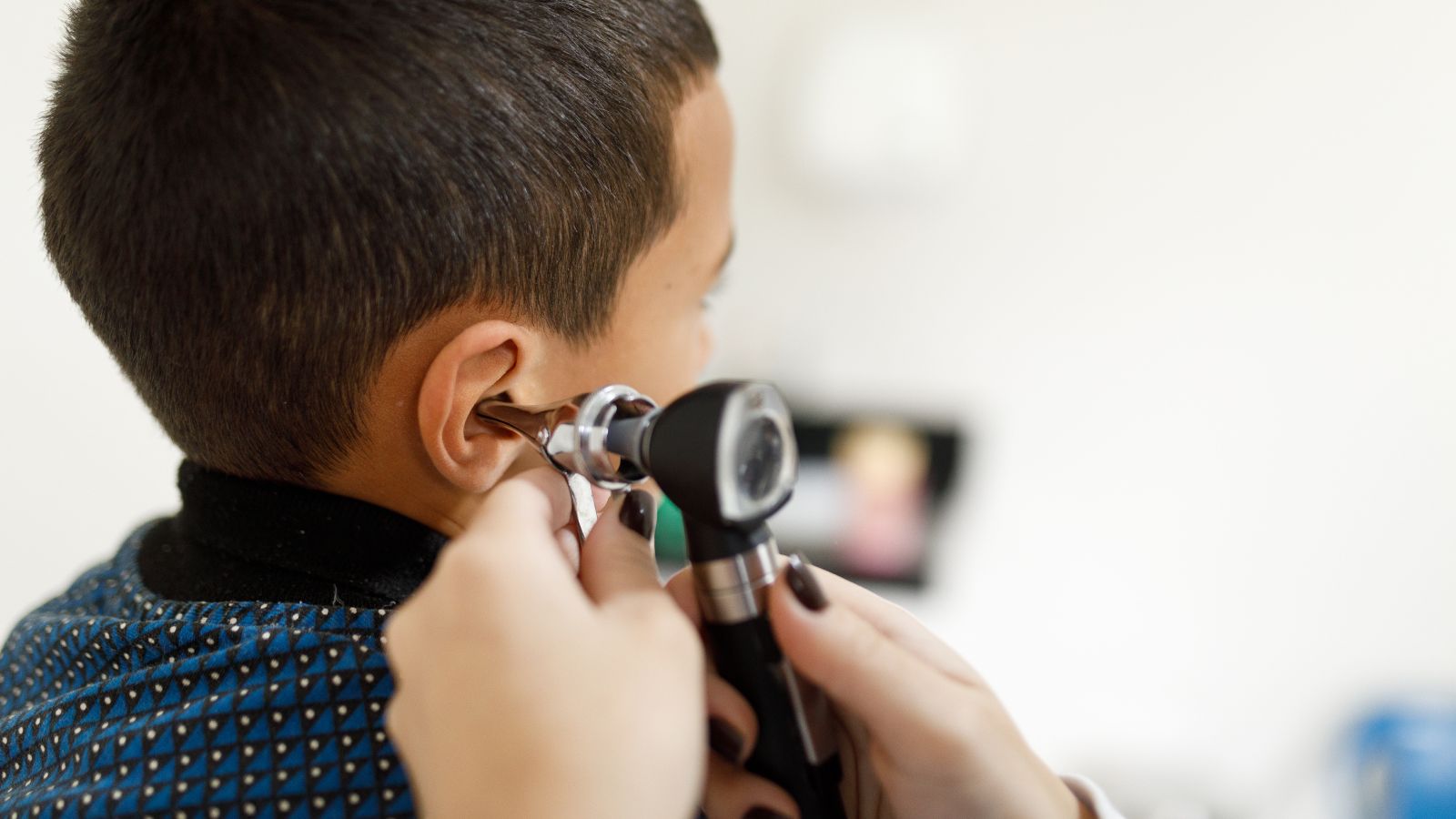
आनुवंशिक श्रवण हानि के लिए पहली मंजूरी
अमेरिकी खाद्य एवं औषधि प्रशासन ने वंशानुगत बहरेपन के लिए पहली जीन थेरेपी को मंजूरी दे दी है, जिससे ऐसे क्षेत्र में एक नया अध्याय खुला है, जो लंबे समय से केवल उपकरणों या सहायक देखभाल पर निर्भर रहने के बजाय, श्रवण हानि के मूल आनुवंशिक कारण को संबोधित करके सुनने की क्षमता बहाल करने के तरीके खोज रहा था। हाल ही में स्वीकृत इस थेरेपी का नाम Otarmeni है, और इसे OTOF जीन में उत्परिवर्तन से जुड़े एक प्रकार की श्रवण हानि के लिए मंजूरी मिली है।
Live Science की रिपोर्ट और Regeneron की एक घोषणा के अनुसार यह मंजूरी चिकित्सकीय और प्रतीकात्मक, दोनों स्तरों पर महत्वपूर्ण है। यह उन थेरेपी वर्गों के लिए एक नियामकीय मार्ग स्थापित करती है, जिन पर वर्षों से शोध परिवेश में चर्चा होती रही है, लेकिन जो इस संकेत के लिए अभी तक FDA-अनुमोदित उत्पाद नहीं बन पाए थे। इस विशिष्ट आनुवंशिक विकार वाले मरीजों और संवेदी पुनर्स्थापन पर काम कर रहे वैज्ञानिकों के लिए यह फैसला एक ऐतिहासिक क्षण है।
वंशानुगत बहरापन कोई एकल स्थिति नहीं है। इसमें कई विकार शामिल हैं, जो अलग-अलग जीन, जैविक मार्गों और कान के भीतर विकास संबंधी समस्याओं के कारण होते हैं। इस विविधता ने उपचार विकसित करना कठिन बना दिया है। जो थेरेपी एक म्यूटेशन पर काम करती है, वह दूसरे पर काम नहीं कर सकती। इसलिए Otarmeni व्यापक रूप से आनुवंशिक श्रवण हानि का समाधान नहीं करती, लेकिन यह दिखाती है कि एक लक्षित रणनीति नियामकों को संतुष्ट कर सकती है और प्रयोगात्मक आशा से अधिकृत उपचार तक पहुंच सकती है।
OTOF क्यों महत्वपूर्ण है
यह मंजूरी OTOF जीन में उत्परिवर्तनों से होने वाली श्रवण हानि पर केंद्रित है, जो otoferlin नामक प्रोटीन के लिए कोड करता है। उपलब्ध स्रोत पाठ में कहा गया है कि otoferlin आंतरिक कान की कोशिकाओं में बनता है। यह विवरण महत्वपूर्ण है क्योंकि सुनने की प्रक्रिया इस नाजुक कोशिकीय मशीनरी पर निर्भर करती है, जो ध्वनि कंपन को ऐसे विद्युत संकेतों में बदलती है जिन्हें मस्तिष्क समझ सके। जब इस प्रणाली में कोई महत्वपूर्ण प्रोटीन म्यूटेशन के कारण बाधित हो जाता है, तो जन्म से ही गंभीर श्रवण बाधा हो सकती है।
जीन थेरेपी का उद्देश्य इस दोष को आणविक स्तर पर ठीक करना है। सुनने के उपकरणों की तरह नुकसान के इर्द-गिर्द काम करने के बजाय, यह कार्यात्मक आनुवंशिक निर्देश उपलब्ध कराने की कोशिश करती है ताकि संबंधित कोशिकाएं अनुपस्थित या दोषपूर्ण प्रोटीन का निर्माण कर सकें। सिद्धांत रूप में, यही कारण है कि वंशानुगत संवेदी विकारों में जीन थेरेपी विशेष रूप से आकर्षक है, जहाँ समस्या को अक्सर एक स्पष्ट रूप से परिभाषित जीन तक ट्रेस किया जा सकता है।
FDA के निर्णय से संकेत मिलता है कि नियामक इस दृष्टिकोण की सुरक्षा और प्रभावशीलता को लक्षित आबादी में मंजूरी देने लायक मानने के लिए पर्याप्त समझते थे। उपलब्ध अंश में पूरी नैदानिक जानकारी न होने के बावजूद, यह कदम अपने आप में महत्वपूर्ण है: संघीय नियामक यह संकेत दे रहे हैं कि श्रवण हानि के लिए जीन प्रतिस्थापन या मरम्मत रणनीतियाँ अब केवल सैद्धांतिक नहीं रहीं।

एक उत्पाद से आगे का मील का पत्थर
ऐसी मंजूरियाँ अक्सर पूरे विकास परिदृश्य को बदल देती हैं। जब किसी नई श्रेणी की पहली थेरेपी को मंजूरी मिलती है, तो निवेशकों, शोधकर्ताओं, चिकित्सकों और रोगी समूहों को संभावनाओं की अधिक ठोस समझ मिलती है। जो विकास कार्यक्रम पहले अनुमानात्मक लगते थे, वे व्यावहारिक दिखाई देने लगते हैं। आनुवंशिक श्रवण हानि के लिए, इसका अर्थ OTOF से आगे अन्य लक्ष्यों और आंतरिक कान के लिए उपयुक्त डिलीवरी रणनीतियों पर अधिक काम हो सकता है।
यह मंजूरी यह भी दिखाती है कि जीन थेरेपी रक्त विकारों और रेटिनल रोग जैसी पहले की प्रमुख श्रेणियों से आगे बढ़ती जा रही है। संवेदी स्थितियाँ एक अलग चुनौती पेश करती हैं। कान छोटा है, जैविक रूप से जटिल है, और उस तक पहुँचना कठिन है। किसी आंतरिक कान संबंधी विकार के लिए थेरेपी को विकास से मंजूरी तक ले जाना विज्ञान और निर्माण, दोनों में परिपक्वता को दर्शाता है।
इसका मतलब यह नहीं कि आगे का रास्ता आसान है। जीन थेरेपी अक्सर महंगी, लॉजिस्टिक रूप से जटिल और बहुत सीमित रोगी समूहों तक ही लागू होती हैं। वंशानुगत बहरेपन में, निदान स्वयं एक बड़ी बाधा है। मरीजों को आनुवंशिक परीक्षण की आवश्यकता होती है ताकि यह पुष्टि हो सके कि उनकी श्रवण हानि उस म्यूटेशन से जुड़ी है जिसे थेरेपी लक्षित करने के लिए बनाई गई है। व्यवहार में, इसका अर्थ है कि यह मंजूरी ऑडियोलॉजी और बाल चिकित्सा देखभाल में पहले और व्यापक आनुवंशिक स्क्रीनिंग की मांग बढ़ा सकती है।
आगे क्या
तत्काल प्रभाव इस बात पर निर्भर करेगा कि थेरेपी क्लिनिकल सेटिंग्स में कितनी जल्दी उपलब्ध होती है और पात्रता कितनी स्पष्ट रूप से तय की जा सकती है। क्योंकि यह मंजूरी OTOF म्यूटेशन से संबंधित श्रवण हानि पर लागू होती है, इसलिए पहुंच सही मरीजों की पहचान पर निर्भर करेगी। इससे विशेषकर जन्मजात या प्रारंभिक-प्रारंभिक बहरापन शामिल मामलों में श्रवण-हानि मूल्यांकन के दौरान आनुवंशिक उपकरणों का अधिक नियमित उपयोग प्रोत्साहित हो सकता है।
व्यापक क्षेत्र के लिए, यह निर्णय एक संदर्भ बिंदु बनने की संभावना रखता है। संबंधित थेरेपी पर काम कर रहे शोधकर्ता अब न केवल जैविकी, बल्कि नियामकीय मिसाल का भी अध्ययन कर सकते हैं। वंशानुगत बहरेपन के अन्य रूपों के लिए उपचार विकसित करने वाली कंपनियाँ FDA की इस कार्रवाई को इस प्रमाण के रूप में देख सकती हैं कि एजेंसी श्रवण जीन थेरेपी को एक अपरीक्षित श्रेणी की तरह नहीं, बल्कि उसके गुण-दोष के आधार पर मूल्यांकित करने के लिए तैयार है।
यह मंजूरी परिवारों के लिए बातचीत भी बदल देती है। वर्षों से वंशानुगत बहरेपन पर शोध को मुख्य रूप से भविष्य की संभावना के रूप में देखा जाता रहा है। एक FDA-स्वीकृत थेरेपी उस भविष्य के एक हिस्से को वर्तमान वास्तविकता में बदल देती है, कम से कम मरीजों के एक समूह के लिए। यह बदलाव स्थायित्व, दीर्घकालिक अनुवर्ती, या व्यापक लागू होने की अनसुलझी चिंताओं को समाप्त नहीं करता, लेकिन यह क्षेत्र को अधिक मजबूत आधार पर ले आता है।
Otarmeni की मंजूरी को अंत की बजाय एक शुरुआत के रूप में समझना सबसे उचित है। यह वंशानुगत बहरेपन के लिए पहली स्वीकृत जीन थेरेपी है, आनुवंशिक श्रवण हानि का अंतिम उत्तर नहीं। फिर भी, पहली उपलब्धियाँ मायने रखती हैं। वे एक ऐसी सीमा को परिभाषित करती हैं जिसे शोधकर्ताओं ने पार किया है और जिसे मरीज देखने की प्रतीक्षा कर रहे थे। इस अर्थ में, FDA का निर्णय केवल इसलिए महत्वपूर्ण नहीं है कि एक थेरेपी को मंजूरी मिली, बल्कि इसलिए भी कि एक समय-अनुमानित क्षेत्र अब वास्तविक नैदानिक आधार पा चुका है।
यह लेख Live Science की रिपोर्टिंग पर आधारित है। मूल लेख पढ़ें.
Originally published on livescience.com