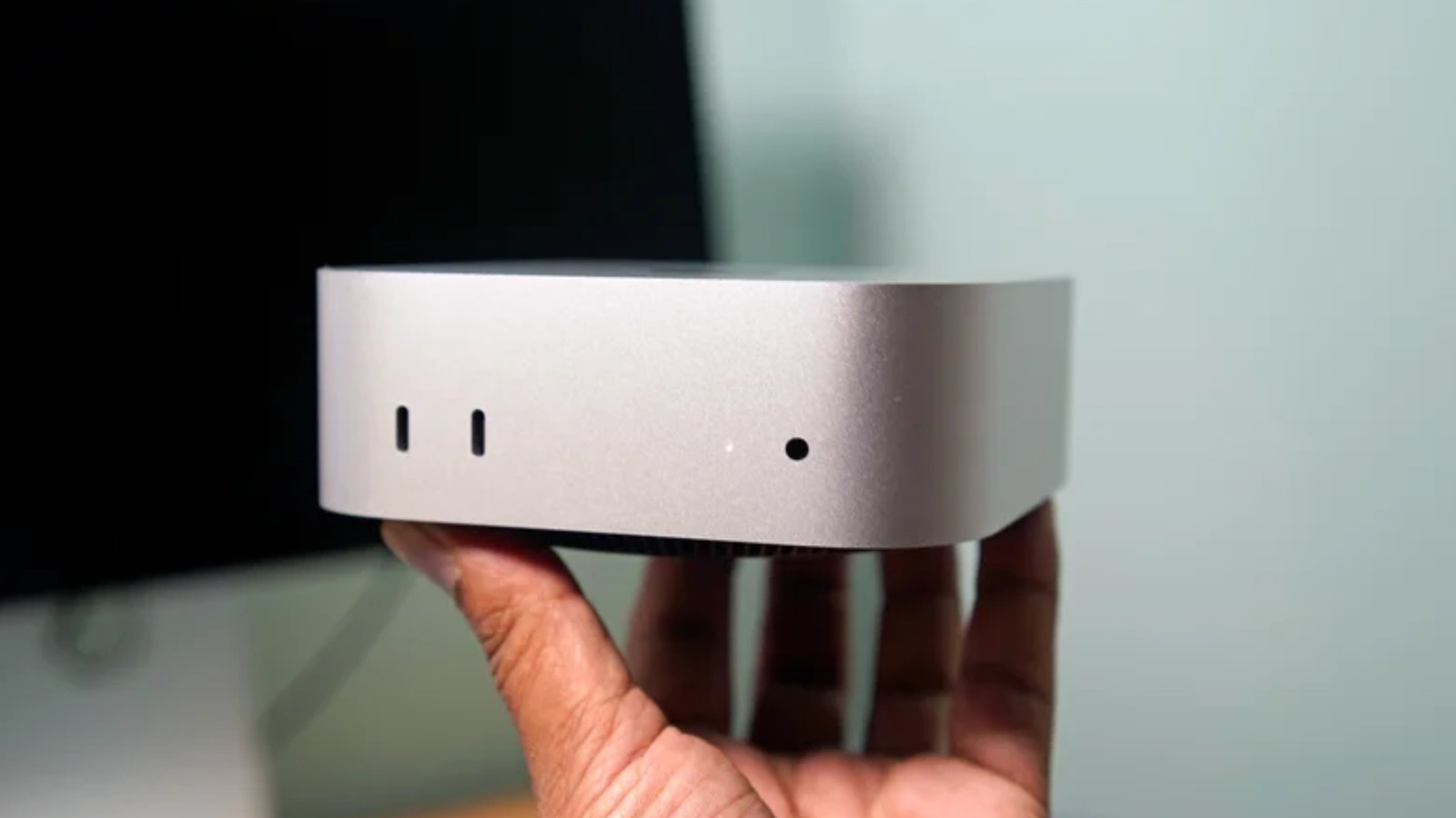
मैक मिनी की शुरुआती कीमत बढ़ गई है
ऐसा लगता है कि एप्पल ने अपनी सबसे कम कीमत वाली मैक मिनी कॉन्फ़िगरेशन की बिक्री बंद कर दी है, जिससे कॉम्पैक्ट डेस्कटॉप के लिए एंट्री पॉइंट प्रभावी रूप से $599 से बढ़कर $799 हो गया है। दिए गए स्रोत पाठ के अनुसार, एप्पल के स्टोर पेज पर अब केवल कम से कम 512GB स्टोरेज वाली कॉन्फ़िगरेशन ही उपलब्ध हैं। यह बदलाव सबसे पहले MacRumors ने देखा और बाद में Engadget ने इसकी रिपोर्ट की।
यदि यह किसी अस्थायी स्टॉक बदलाव के बजाय एक उत्पाद निर्णय के रूप में पुष्टि होता है, तो यह एप्पल के सबसे आक्रामक रूप से मूल्य-निर्धारित Mac उत्पादों में से एक में एक उल्लेखनीय बदलाव होगा। 2024 में पेश किया गया $599 मैक मिनी कंपनी की डेस्कटॉप लाइनअप में प्रवेश का एक अपेक्षाकृत सुलभ तरीका माना जाता था। स्रोत इसे हाल के वर्षों के एप्पल के सबसे अच्छे सौदों में से एक बताता है, जिसमें Apple silicon का प्रदर्शन, कम से कम 16GB RAM, कम से कम 256GB स्टोरेज और ऐसा पोर्ट चयन शामिल था जो इसे व्यापक रूप से उपयोगी बनाता था।
हालांकि, इसकी अपील पारंपरिक डेस्कटॉप खरीदारों से आगे भी गई हो सकती है। स्रोत के अनुसार, यह मशीन स्थानीय बड़े भाषा मॉडल चलाने वाले लोगों के बीच लोकप्रिय हो गई और बाद में OpenClaw जैसे AI agents के लिए एक समर्पित कंप्यूटर के रूप में भी इस्तेमाल होने लगी। इससे ऐसे उत्पाद के लिए मांग का एक अलग स्वरूप बना, जिसे कभी मुख्य रूप से एक छोटे घरेलू या कार्यालय कंप्यूटर के रूप में देखा जाता था।
AI वर्कलोड तय कर रहे हैं कि कौन-सी कॉन्फ़िगरेशन महत्वपूर्ण हैं
Engadget की रिपोर्ट में प्रकाशन के समय एप्पल के इस कदम को आधिकारिक रूप से पुष्टि किया हुआ नहीं बताया गया है। इसमें कहा गया है कि आउटलेट ने पुष्टि के लिए एप्पल से संपर्क किया था और जवाब मिलने पर अपडेट देगा। लेकिन स्रोत एक व्यापक संदर्भ भी बताता है: मेमोरी, स्टोरेज और शक्तिशाली चिप्स की AI-सम्बंधित मांग। इस नजरिए से, मैक मिनी उसी supply-and-demand दबाव में खिंच रहा है जो उस अन्य हार्डवेयर को प्रभावित कर रहा है जो अचानक local AI work के लिए उपयोगी हो गया।
स्रोत मैक मिनी को AI समुदाय के लिए विशेष रूप से आकर्षक बताता है क्योंकि इसमें प्रदर्शन, आकार और अपेक्षाकृत कम कीमत का संतुलन है। इस लोकप्रियता के परिणाम भी दिखते हैं। Engadget का सुझाव है कि AI tinkerer की रुचि और memory तथा storage की उपलब्धता पर सीमाओं के संयोजन ने एप्पल को सबसे सस्ती कॉन्फ़िगरेशन हटाने के लिए प्रेरित किया होगा, कम से कम अस्थायी रूप से।
यह व्याख्या सतर्क है, लेकिन इसे अलग से नहीं रखा गया है। लेख में एप्पल के सीईओ Tim Cook की कंपनी की सबसे हालिया earnings call के दौरान की गई टिप्पणियों का हवाला दिया गया है। स्रोत पाठ में Cook कहते हैं कि Mac mini और Mac Studio को supply-demand balance तक पहुंचने में कई महीने लग सकते हैं और दोनों उत्पादों को “AI और agentic tools के लिए शानदार platforms” बताते हैं, साथ ही यह जोड़ते हैं कि ग्राहकों का इस उपयोग को पहचानना उम्मीद से तेज़ हो रहा है।

एक हार्डवेयर श्रेणी को उपयोग-केस के हिसाब से फिर से कीमत दी जा रही है
इस स्पष्ट बदलाव का महत्व सिर्फ यह नहीं है कि एक storage tier गायब हो गया। महत्व यह भी है कि बाजार में मैक मिनी की भूमिका बदलती दिख रही है। जब एक मशीन, जिसे कभी असामान्य रूप से सुलभ Apple desktop माना जाता था, local AI experimentation के लिए उपयोगी infrastructure बन जाती है, तो उसके सबसे सीमित घटक अलग तरह से मायने रखने लगते हैं। स्टोरेज और RAM अब गौण चेकबॉक्स नहीं हैं। वे core value proposition का हिस्सा बन जाते हैं।
यह समझाता है कि बची हुई कॉन्फ़िगरेशन 512GB से क्यों शुरू होती हैं। अधिक स्टोरेज वाला आधार स्तर व्यापक supply issue को अपने-आप हल नहीं करता, लेकिन यह उत्पाद को उपयोग की एक अलग अपेक्षा के आसपास पुनर्स्थापित करता है। इससे खरीदार को प्रवेश के लिए चुकाई जाने वाली न्यूनतम कीमत भी बढ़ जाती है। उन cost-sensitive खरीदारों के लिए जो 2024 मॉडल की ओर इसलिए आकर्षित हुए थे क्योंकि उसकी शुरुआती कीमत $599 थी, यह एक महत्वपूर्ण नुकसान है।
स्रोत नोट करता है कि इस price slot में आने वाला कोई समान उत्पाद फिलहाल नहीं है। MacBook लाइन में, Engadget उच्च कीमतों से प्रभावित खरीदारों के लिए MacBook Neo को एक नरम विकल्प के रूप में देखता है। इसके विपरीत, मैक मिनी के पुराने entry tier का कोई सीधा विकल्प नहीं है। अगर यह बदलाव बना रहता है, तो एप्पल की डेस्कटॉप लाइनअप में एक खाली जगह रह जाएगी।
एप्पल पर स्टोरेज और मेमोरी का व्यापक दबाव
दिया गया रिपोर्ट मैक मिनी के इस विकास को एक बड़े पैटर्न का हिस्सा बताता है। इसमें कहा गया है कि RAMaggedon का असर झेलने में एप्पल कई कंपनियों की तुलना में अपेक्षाकृत बेहतर रहा, या कम से कम उत्पाद लाइनों में उसके प्रभाव को छिपाने में सफल रहा। लेकिन अब वहां भी तनाव दिखने लगा है। स्रोत M5 MacBook Air अपडेट का हवाला देता है, जिसमें स्टोरेज बढ़ाकर 512GB किया गया और शुरुआती कीमत $1,099 रखी गई।
इन कदमों को साथ रखकर देखने पर लगता है कि एप्पल उन जगहों पर कॉन्फ़िगरेशन और कीमतें समायोजित कर रहा है, जहां memory और storage लागत सबसे ज्यादा दबाव डाल रही है। मैक मिनी के 256GB base model को हटाना इसी पैटर्न में फिट बैठता है। यह सिर्फ एक desktop pricing story नहीं है। यह संकेत है कि AI-युग की hardware demand mainstream consumer और prosumer devices के packaging और sale को प्रभावित करना शुरू कर रही है।
स्रोत यह कहने से बचता है कि एप्पल ने सस्ते मैक मिनी को स्थायी रूप से छोड़ दिया है। वह स्पष्ट रूप से इस संभावना के लिए जगह छोड़ता है कि यह कॉन्फ़िगरेशन केवल “अभी के लिए” गायब है। यह सावधानी महत्वपूर्ण है। कंपनी के किसी बयान के बिना, स्थिति अंतिम पुष्टि के बजाय एक मजबूत संकेत ही बनी रहती है।

खरीदारों के लिए इसका क्या मतलब है
खरीदारों के लिए, तात्कालिक व्यावहारिक नतीजा सीधा है। मैक मिनी अब $599 नहीं, बल्कि $799 से शुरू होता हुआ दिख रहा है, और storage floor भी दोगुना होकर 512GB हो गया प्रतीत होता है। इससे बची हुई models heavy workloads के लिए बेहतर हो सकती हैं, लेकिन entry-level desktop customers के लिए एप्पल का value proposition भी संकुचित हो जाता है।
गहरी बात यह है कि AI demand कितनी तेजी से किसी product line की economics बदल सकती है। एक compact desktop, जो कभी एक स्थिर और price-efficient entry point जैसा दिखता था, अब उच्च-spec components और नए प्रकार की user demand की दौड़ में फंसता दिख रहा है। स्रोत का सुझाव है कि एप्पल ने पूरी तरह नहीं आंका था कि ग्राहक कितनी जल्दी मैक मिनी और मैक स्टूडियो को AI और agentic tools के platforms के रूप में अपनाएंगे।
अगर यह आकलन सही है, तो $599 मॉडल का गायब होना एक मामूली configuration change से कहीं अधिक है। यह इस बात का शुरुआती संकेत है कि AI workloads consumer hardware lineups को सिर्फ ऊपरी स्तर पर नहीं, बल्कि उस बिंदु पर भी प्रभावित कर रहे हैं जहां affordability कभी सबसे बड़ी खासियत थी। चाहे एप्पल बाद में उस tier को बहाल करे या lineup को यहीं रहने दे, मैक मिनी की बाजार में भूमिका पहले ही बदल चुकी है।
यह लेख Engadget की रिपोर्टिंग पर आधारित है। मूल लेख पढ़ें.
Originally published on engadget.com