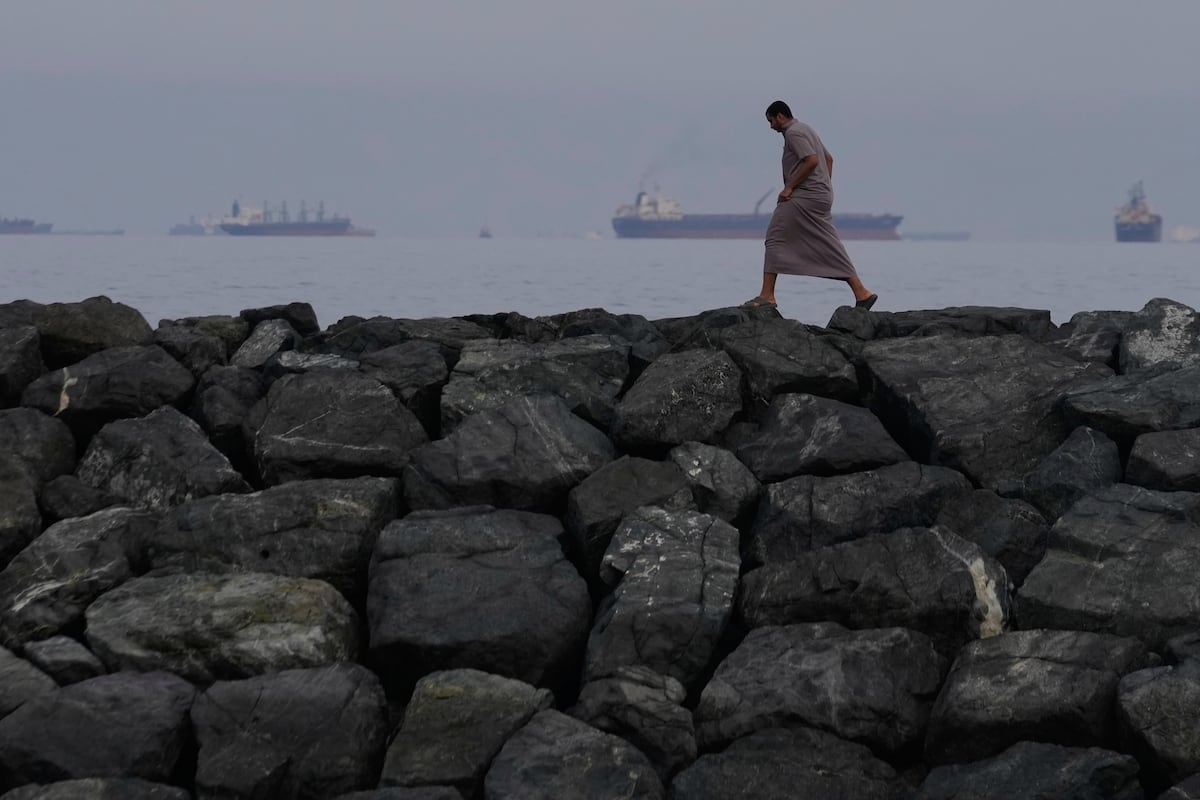
ईरान युद्ध में नाटकीय वृद्धि
President Donald Trump ने घोषणा की कि US Central Command ने ईरान के Kharg Island पर एक विशाल बमबारी अभियान चलाया है, जिसमें उन्होंने ईरान के मुकुट रत्न कहे जाने वाले हर सैन्य लक्ष्य को नष्ट कर दिया है। यह हमला Strait of Hormuz नाकाबंदी से उत्पन्न वैश्विक तेल आपूर्ति संकट को कम करने के लिए किया गया सबसे आक्रामक US सैन्य कार्रवाई को दर्शाता है, जिसके माध्यम से दुनिया के कारोबारी पेट्रोलियम और तरलीकृत प्राकृतिक गैस का लगभग 20 प्रतिशत सामान्यतः प्रवाहित होता है।
Trump ने कहा कि हमला एक चेतावनी था। उन्होंने Kharg Island पर तेल प्रसंस्करण बुनियादी ढांचे को जानबूझकर बख्शा — जो ईरान की तेल निर्यात का एक बड़ा हिस्सा संभालता है — लेकिन Tehran को चेतावनी दी कि शिपिंग में निरंतर हस्तक्षेप उनके विचार को बदल देगा। President ने कहा कि यदि ईरान या कोई और Strait of Hormuz के माध्यम से जहाजों के मुक्त और सुरक्षित मार्ग में हस्तक्षेप करे, तो वह तुरंत उस निर्णय पर पुनर्विचार करेंगे।
ईरान की नाकाबंदी रणनीति और तेल मूल्य झटका
संघर्ष 28 फरवरी को US और Israel के समन्वित हमलों के साथ शुरू हुआ, जो अप्रत्यक्ष परमाणु वार्ता के दौरान लॉन्च किए गए थे। तब से, ईरान के Islamic Revolutionary Guard Corps ने फारस की खाड़ी में व्यावसायिक शिपिंग पर व्यवस्थित रूप से हमला किया है, एक दर्जन से अधिक जहाजों पर हमलों की जिम्मेदारी ली है। ईरान के नए सर्वोच्च नेता Mojtaba Khamenei — जिन्हें अपने पिता Ayatollah Ali Khamenei की फरवरी के हमलों में हत्या के बाद उत्नीत किया गया था — ने Strait of Hormuz को विरोधियों पर दबाव डालने के लिए एक उपकरण घोषित किया।
आर्थिक परिणाम गंभीर रहे हैं। Brent crude oil की कीमतें 2022 के बाद पहली बार $100 प्रति बैरल से अधिक हो गई हैं, युद्ध शुरू होने से पहले लगभग $70 से बढ़ी हैं। International Energy Agency ने कीमत वृद्धि को कम करने के लिए वैश्विक बाजारों में लगभग 412 मिलियन बैरल आपातकालीन तेल स्टॉक जारी करने की योजना की घोषणा की है — संगठन के इतिहास में सबसे बड़ी आपातकालीन रिलीज़ के रूप में वर्णित।
विषम नौसैनिक खतरा
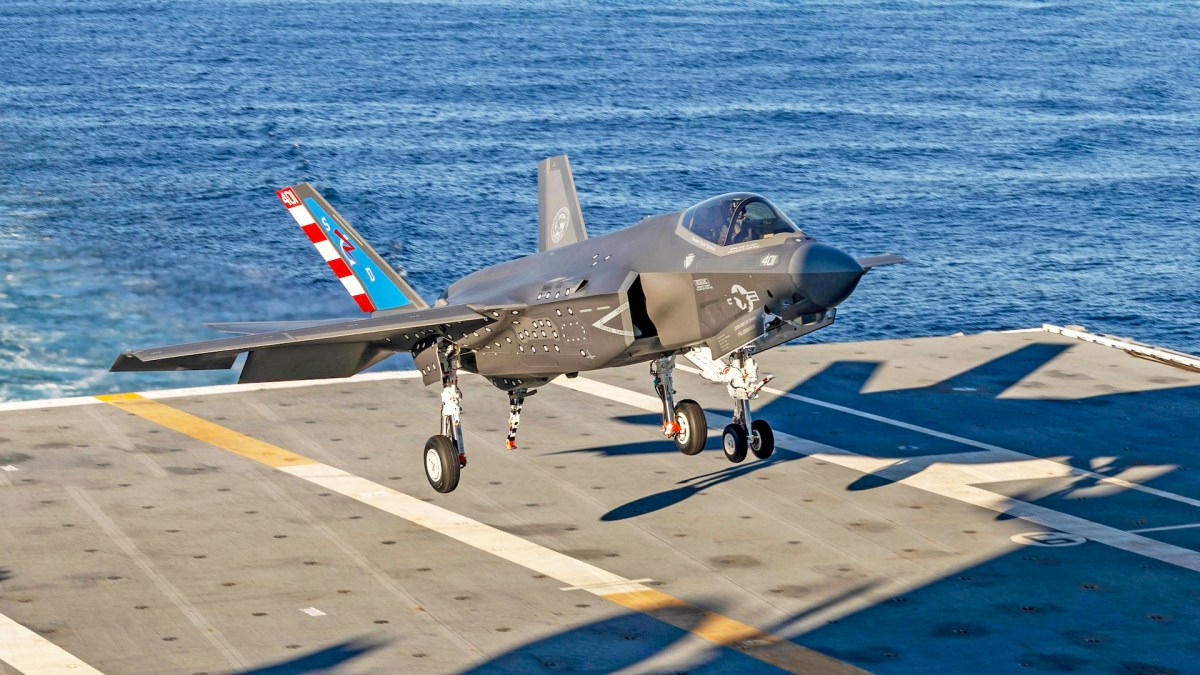
ईरान की नाकाबंदी रणनीति स्तरित विषम नौसैनिक युद्ध पर निर्भर करती है। IRGC तेज़ हमले के जहाजों का उपयोग कर सकता है जो 50 नॉट तक पहुँच सकते हैं, मानव रहित सतह के जहाज, किनारे आधारित मिसाइल बैटरियाँ, हवाई ड्रोन, और 5,000 से 6,000 अनुमानित खदानों का एक पर्याप्त भंडार। खदान के प्रकारों में हल से सीधे जुड़ी लिमपेट खदानें, मोरेड संपर्क खदानें, और तली की खदानें शामिल हैं जो एक जहाज का पता लगाने पर विस्फोट होती हैं।
सेवानिवृत्त Navy Captain Bill Hamblet ने किसी भी खदान-निकासी ऑपरेशन के सामने आने वाली चुनौती का वर्णन किया: खदानों को खोजना और उन्हें साफ करना एक धीमी, पद्धतिगत, यांत्रिक प्रक्रिया है — और तेज़ हमले के जहाजों, मिसाइलों, और ड्रोन सहित अतिरिक्त खतरों से खदान-निकासी ऑपरेशन की सुरक्षा एक असाधारण जटिल परिचालन वातावरण बनाती है। Defense Secretary Pete Hegseth ने स्वीकार किया कि ईरान ने Strait में नई खदानें रखी हैं, इस बात का कोई स्पष्ट सबूत नहीं है, हालांकि खतरा छुपा और विश्वसनीय है।
Trump की गठबंधन-निर्माण प्रयास
सैन्य हमलों के साथ-साथ, Trump ने प्रकट किया कि वह लगभग सात देशों को Strait को खुला रखने में मदद करने के लिए युद्धपोत भेजने के लिए दबाव डाल रहे हैं। उन्होंने विशेष रूप से China, France, Japan, South Korea, और Britain को अपने राजनयिक दबाव अभियान के लक्ष्य के रूप में नामित किया, यह नोट करते हुए कि China अपने तेल का लगभग 90 प्रतिशत Strait के माध्यम से प्राप्त करता है।
प्रतिक्रियाएं सावधान रही हैं। Britain ने Trump के साथ बातचीत की पुष्टि की है लेकिन विमान वाहकों को खतरे में डालने के लिए कोई प्रतिबद्धता नहीं दी है। China के दूतावास ने कहा कि Beijing विचार-विमर्श के लिए संबंधित पक्षों के साथ संचार को मजबूत करेगा। South Korea ने कहा कि यह स्थिति की सावधानी से समीक्षा करेगा। France ने संकेत दिया कि यह एक संभावित अंतर्राष्ट्रीय एस्कॉर्ट मिशन पर काम कर रहा है लेकिन जोर दिया कि शर्तें अनुमति दें तब तक प्रतीक्षा करनी चाहिए। Germany ने स्पष्ट रूप से कहा कि वह संघर्ष का सक्रिय हिस्सा नहीं बनेगा।
ईरान की राजनयिक स्थिति
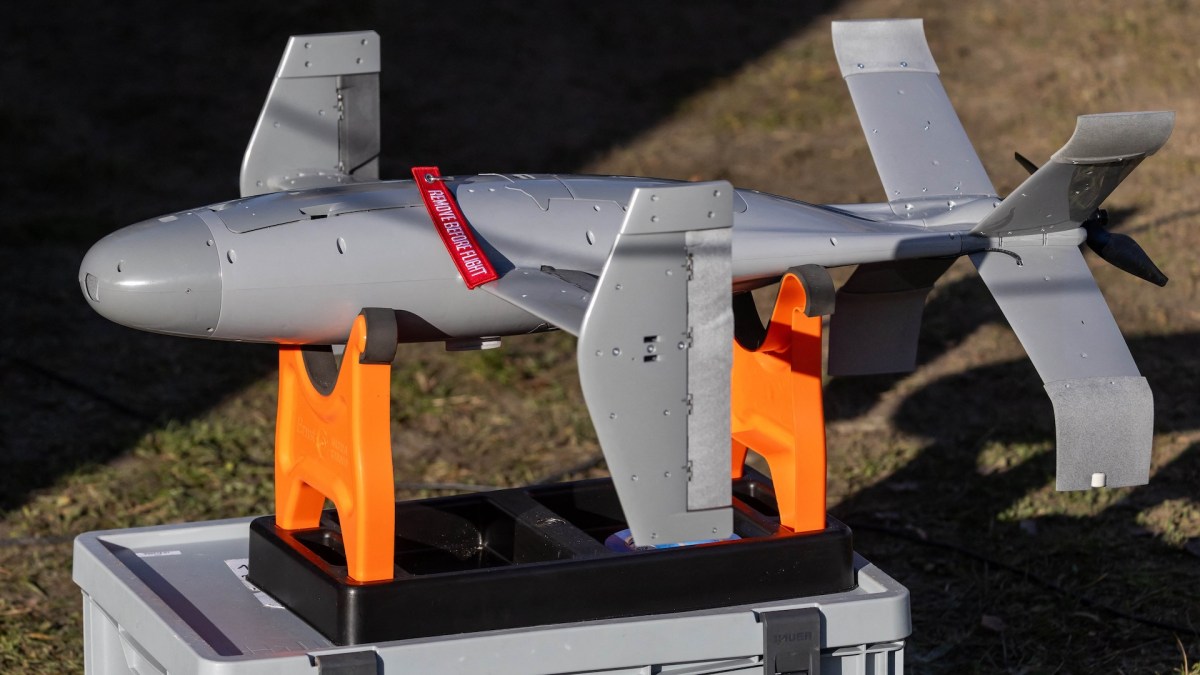
ईरान के विदेश मंत्री Abbas Araghchi ने CBS को बताया कि Tehran को कई देशों द्वारा संपर्क किया गया था जो अपने जहाजों के लिए सुरक्षित मार्ग चाहते थे, और कुछ को मामले-दर-मामले आधार पर अनुमति दी गई थी। वह स्पष्ट थे कि ईरान United States के साथ सीधे बातचीत करने का कोई कारण नहीं देखता, संघर्ष की उत्पत्ति को फरवरी US-Israel हमलों को माना जाता है। उन्होंने यह भी प्रकट किया कि ईरान के पास समृद्ध यूरेनियम को मलबे के अंदर दफन करने की कोई योजना नहीं है।
गतिरोध इस बात का परीक्षण प्रतिनिधित्व करता है कि सैन्य वृद्धि या गठबंधन-निर्माण दुनिया के सबसे महत्वपूर्ण समुद्री chokepoints में से एक को फिर से खोल सकता है — और क्या वैश्विक अर्थव्यवस्था Strait of Hormuz के माध्यम से बहने वाले पेट्रोलियम व्यापार के 20 प्रतिशत में एक लंबी व्यवधान को बनाए रख सकती है।
यह लेख Defense News की रिपोर्टिंग पर आधारित है। मूल लेख पढ़ें।
Originally published on defensenews.com