उच्च परिचालन गति एक व्यापक तैयारी प्रश्न को मजबूर कर रही है
Defense News के एक साक्षात्कार के अनुसार, जो Center for Strategic and International Studies के विश्लेषण पर आधारित था, संयुक्त अमेरिकी-इज़राइली ईरान युद्ध Operation Epic Fury शुरू होने के सिर्फ एक महीने से थोड़ा अधिक समय में अमेरिका ने कम से कम 850 Tomahawk cruise missiles दागी हैं। यह संख्या पिछले संघर्षों के मानकों के अनुसार असामान्य रूप से अधिक है और इसने इस बात पर फिर से ध्यान केंद्रित किया है कि एक बड़े अभियान में सटीक-हमला भंडार कितनी तेजी से खर्च हो सकता है।
विशेषज्ञों का तात्कालिक निष्कर्ष यह नहीं है कि अमेरिका जल्द ही खत्म होने वाला है। CSIS का अनुमान है कि अमेरिका के पास अभी भी लगभग 3,000 Tomahawks हैं। लेकिन, साक्षात्कार में Mark Cancian के अनुसार, अधिक महत्वपूर्ण चिंता यह है कि एक थिएटर में लगातार उपयोग का बाकी दायित्वों पर, खासकर Indo-Pacific में, क्या असर पड़ता है।
Tomahawk क्यों महत्वपूर्ण है
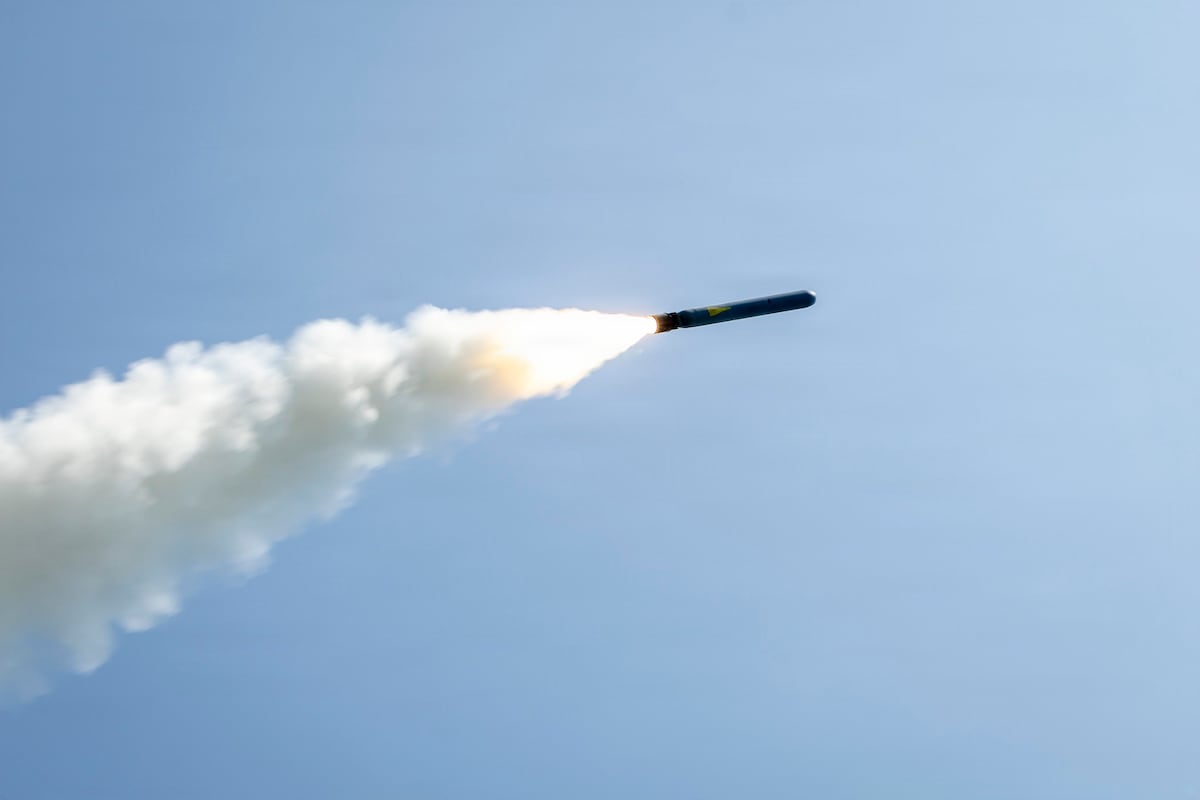
Tomahawk एक जहाज से दागी जाने वाली जमीन-हमला मिसाइल है, जो लंबी दूरी, सटीकता और परिचालन लचीलापन को जोड़ती है। Cancian इसके दायरे को संस्करण के अनुसार लगभग 1,000 मील बताते हैं, और नोट करते हैं कि वर्तमान संस्करण Block V है। क्योंकि इसे समुद्र में जहाजों से दागा जाता है, यह मिसाइल संयुक्त राज्य को नज़दीकी हवाई अड्डों पर निर्भर हुए बिना या तुरंत विमानों को सुरक्षित हवाई क्षेत्र में भेजे बिना हमला करने देती है।
यह संघर्ष के शुरुआती चरण में मायने रखता है, जब दुश्मन की वायु रक्षा सक्रिय रहती है और मानवयुक्त विमानों के विकल्प अधिक सीमित हो सकते हैं। साक्षात्कार के अनुसार, यही वजह थी कि Epic Fury के शुरुआती चरणों में Tomahawks का भारी इस्तेमाल किया गया। उनकी लंबी पहुंच ने अमेरिकी बलों को ईरानी रक्षा घेरों के बाहर रहकर उन प्रणालियों को कमजोर करने की अनुमति दी।
जैसे-जैसे हवाई श्रेष्ठता बेहतर हुई, Tomahawk के उपयोग की दर घटी। यह रुकी नहीं, लेकिन कम हो गई, क्योंकि ये हथियार दुर्लभ और महंगे दोनों हैं। साक्षात्कार में एक Tomahawk की लागत लगभग $3.5 million बताई गई है, जबकि एक JDAM guidance kit एक पारंपरिक बम को लगभग $80,000 में सटीक हथियार में बदल सकती है। यदि विमान सुरक्षित रूप से पर्याप्त नज़दीक आकर सस्ती मारक सामग्री का उपयोग कर सकते हैं, तो कमांडरों के पास ऐसा करने का मजबूत प्रोत्साहन होता है।
असल मुद्दा यह महीना नहीं, अगला संकट है
इसलिए रणनीतिक चिंता संचयी है। भले ही मौजूदा भंडार जारी अभियान के लिए पर्याप्त हों, लेकिन थोड़े समय में सैकड़ों लंबी दूरी की cruise missiles का इस्तेमाल अनिवार्य रूप से अगले संकट के लिए उपलब्ध संसाधनों को प्रभावित करता है। यही वह बिंदु है जो लेख में वर्णित Pentagon के भीतर चिंता को जन्म देता है।
इस चर्चा में Indo-Pacific विशेष रूप से बड़ा है। चीन के साथ टकराव में लंबी दूरी, जीवित रहने योग्य, सटीक strike systems को उच्च प्राथमिकता मिलेगी। यदि एक युद्ध उन भंडारों का बड़ा हिस्सा खत्म कर देता है, तो अवसर लागत काल्पनिक नहीं रहती। यह दूसरी जगह deterrence और combat के लिए planning assumptions को बदल देती है।
यह आधुनिक रक्षा की एक परिचित समस्या है: precision weapons सामरिक रूप से शक्तिशाली होती हैं, लेकिन उन्हें peace-time industrial capacity जितनी आसानी से बदला नहीं जा सकता, उससे कहीं तेज़ी से उपयोग किया जा सकता है। एक छोटे, तीव्र अभियान में यह संभालने योग्य हो सकता है। लेकिन लंबे संघर्ष या एक साथ कई संकटों में यह एक संरचनात्मक कमजोरी बन जाता है।
आंकड़े क्या कहते हैं और क्या नहीं
दिए गए साक्षात्कार में यह दावा नहीं किया गया कि अमेरिका निर्णायक सीमा पर पहुँच गया है। अनुमानित 3,000 मिसाइलों का भंडार दिखाता है कि अभी भी पर्याप्त गहराई मौजूद है। लेकिन 850 दागी गईं और 3,000 बचीं, यह तुलना गति को संदर्भ देती है। सिर्फ एक महीने से थोड़ा अधिक समय में अभियान ने प्रीमियम लंबी दूरी के strike stockpile का एक महत्वपूर्ण हिस्सा खपाया है।
यह उत्पादन, प्राथमिकता निर्धारण और force posture पर व्यापक सवाल उठाने के लिए पर्याप्त है। मिसाइल भंडार केवल आज कितनी मिसाइलें दागी जा सकती हैं, इसकी गिनती नहीं है। यह इस बात का संकेत भी है कि कल क्या टिकाया जा सकता है, नुकसान कितनी जल्दी भरा जा सकता है, और क्या एक थिएटर चुपचाप दूसरे से संसाधन उधार ले रहा है।
Tomahawk लंबे समय से इसलिए पसंद किया जाता रहा है क्योंकि यह उच्च-स्तरीय संघर्ष के शुरुआती चरणों में कमांडरों को वही पहुंच और लचीलापन देता है जिसकी उन्हें जरूरत होती है। लेकिन सफलता मांग को बढ़ा सकती है। युद्ध में मिसाइल जितनी उपयोगी साबित होती है, सीमित आपूर्ति की लागत उतनी ही स्पष्ट होती जाती है।
यह लेख Defense News की रिपोर्टिंग पर आधारित है। मूल लेख पढ़ें.
Originally published on defensenews.com