छोटे ड्रोन के लिए पेंटागन का अभियान प्रतिस्पर्धा से अब डिलीवरी चरण में पहुंच रहा है
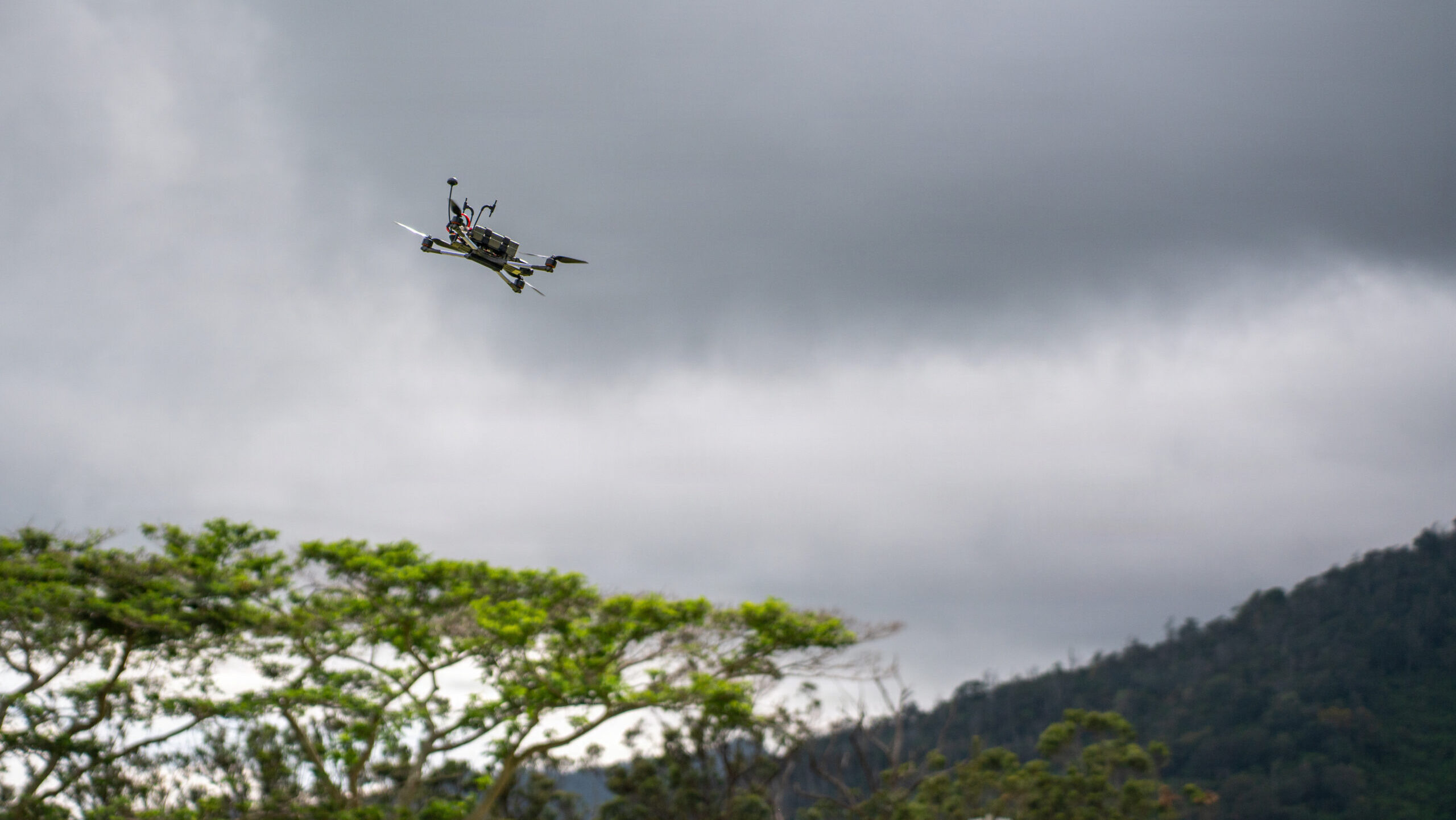
पेंटागन ने अपने व्यापक “Drone Dominance” प्रयास के तहत छोटे, एकतरफा हमलावर ड्रोन प्राप्त करना शुरू कर दिया है, जो औद्योगिक-आधार संबंधी बयानबाजी से वास्तविक खरीद प्रवाह की ओर एक महत्वपूर्ण बदलाव को चिह्नित करता है। उपलब्ध कराए गए Breaking Defense स्रोत पाठ के अनुसार, रक्षा विभाग ने अपनी Gauntlet 1 प्रतियोगिता से उभरकर सामने आए शीर्ष 11 विक्रेताओं में से 10 से 20,000 छोटे first-person-view, या FPV-शैली, ड्रोन ऑर्डर किए हैं।
यह अपने आप में एक बड़ी संख्या है, लेकिन इसका व्यापक अर्थ समय और उद्देश्य में निहित है। यह प्रयास वित्त वर्ष 2026 के अंत तक हर दस्ते को इन हथियारों से लैस करने की योजना से जुड़ा है, जो इस बात को दर्शाता है कि सस्ते, त्यागने योग्य ड्रोन ने युद्धक्षेत्र की अपेक्षाओं को कितनी गहराई से बदल दिया है। अमेरिकी सेना अब यूक्रेन से मिले सबक को तदर्थ अनुकूलन के बजाय एक स्थायी खरीद कार्यक्रम में बदलने की कोशिश कर रही है।
यह रिपोर्ट यह भी बताती है कि कार्यक्रम इस समय किस चरण में है। जबकि 20,000 ड्रोन का ऑर्डर दिया गया है, यह पहले अनुमानित आदेश संख्या से अभी भी 10,000 कम है। दूसरे शब्दों में, परियोजना आगे बढ़ रही है, लेकिन अभी उस पैमाने तक नहीं पहुंची है जिसका संकेत पहले की अपेक्षाओं ने दिया था।
अब केवल शिपमेंट नहीं, बल्कि स्वीकृति भी मुख्य मानक है
Breaking Defense की रिपोर्ट के अनुसार, Archer छोटे क्वाडकॉप्टर के निर्माता Neros डिलीवरी में सबसे आगे है। कंपनी ने अपने ऑर्डर किए गए सभी 2,400 ड्रोन सेना को भेज दिए हैं, जिनमें से 1,040 पहले ही स्वीकार किए जा चुके हैं। शेष विक्रेताओं ने सामूहिक रूप से 560 और ड्रोन भेजे हैं, हालांकि रिपोर्टिंग के समय वे सभी अभी स्वीकृति की प्रतीक्षा में थे।
यह अंतर महत्वपूर्ण है, क्योंकि रक्षा खरीद केवल फैक्ट्री उत्पादन से नहीं मापी जाती। शिपमेंट औद्योगिक प्रगति दिखाता है; स्वीकृति यह दर्शाती है कि सरकार वास्तव में प्रणालियां प्राप्त कर रही है और उन्हें सत्यापित कर रही है। तैनाती को तेज करने के लिए बनाए गए कार्यक्रम में, उत्पादित इकाइयों और औपचारिक रूप से स्वीकृत इकाइयों के बीच का अंतर एक वास्तविक बाधा बन सकता है।
FPV श्रेणी को युद्धक्षेत्र में इसकी भूमिका के कारण तात्कालिकता मिली है। स्रोत पाठ में कहा गया है कि सस्ते एकतरफा ड्रोन ने रूस-यूक्रेन युद्ध के दोनों पक्षों के लड़ाकू वाहनों को युद्धक्षेत्र में जलता हुआ छोड़ दिया है। इन परिणामों ने सेनाओं को कम-लागत वाले हमलावर ड्रोन को विशिष्ट उपकरणों की तुलना में बुनियादी उपकरण के रूप में देखने के लिए प्रेरित किया है।
रक्षा सचिव Pete Hegseth के पिछले गर्मियों के निर्देश, जिसमें ड्रोन औद्योगिक आधार को “unleash” करने की बात कही गई थी, ने मुद्दे को स्पष्ट रूप से रेखांकित किया। स्रोत द्वारा उद्धृत मेमो में उन्होंने तर्क दिया कि लालफीताशाही ने अमेरिकी इकाइयों को आधुनिक युद्धक्षेत्र के लिए आवश्यक घातक छोटे ड्रोन प्राप्त करने से रोका है। इसलिए, वितरित प्रणालियों की वर्तमान स्वीकृति को एक नियमित अधिग्रहण घटना के रूप में नहीं, बल्कि इस बात के प्रमाण के रूप में प्रस्तुत किया जा रहा है कि विभाग अपनी सामान्य गति से तेज चलने की कोशिश कर रहा है।
पैमाने और गति पर 1 अरब डॉलर का दांव
पेंटागन की व्यापक योजना लगभग 1 अरब डॉलर ड्रोन खरीद पर दो-वर्षीय अवधि में खर्च करने की है। यह निवेश दर्शाता है कि विभाग छोटे ड्रोन को तुच्छ या एकबारगी खरीद के रूप में नहीं देख रहा। वह निरंतर मांग पैदा करने की कोशिश कर रहा है, जो घरेलू आपूर्तिकर्ताओं का समर्थन कर सके, विनिर्माण क्षमता बढ़ा सके, और तेज पुनरावृत्ति को सामान्य बना सके।
Gauntlet प्रतियोगिता इस मॉडल का केंद्रीय हिस्सा है। प्रारंभिक दौर में 25 कंपनियों ने भाग लिया, जिससे एक क्रमबद्ध फील्ड तैयार हुई, जिसमें से शीर्ष 11 विक्रेता उभरे। उनमें से 10 को अब ऑर्डर मिल चुके हैं, जबकि तीसरे स्थान की कंपनी Napatree को रिपोर्ट के समय तक अभी अनुबंध नहीं दिया गया था।
अलग से, रक्षा विभाग ने lethality challenge में पांच कंपनियों को भी चुना: Bravo Ordnance, Kela Defense, Kraken Kinetics, Mountain Horse, और Northrop Grumman. ये कंपनियां Group 1 ड्रोन के लिए पेलोड उपलब्ध करा सकती हैं, जिन्हें स्रोत पाठ में 20 पाउंड या उससे कम वजन वाली प्रणालियों के रूप में परिभाषित किया गया है। यह महत्वपूर्ण है क्योंकि FPV ड्रोन की प्रभावशीलता केवल एयरफ्रेम पर नहीं, बल्कि वारहेड एकीकरण, मिशन विश्वसनीयता, और इकाई-स्तर की उपयोगिता पर भी निर्भर करती है।
अगला चरण पहले से ही तैयार किया जा रहा है
कार्यक्रम पहले विक्रेता समूह पर रुक नहीं रहा। विभाग एक दूसरे Gauntlet इवेंट की योजना बना रहा है, जिसका लक्ष्य ऐसे ड्रोन हैं जो लंबी दूरी के हमले और निकट-क्षेत्रीय संचालन में सामरिक आक्रमण के लिए बेहतर उपयुक्त हों। रिपोर्ट के अनुसार, 49 कंपनियों को Michigan के Camp Grayling में एक क्वालिफायर इवेंट के लिए 79 विशिष्ट ड्रोन लाने के लिए कहा गया है।
यह अगला कदम संकेत देता है कि पेंटागन एक-बार की प्रतियोगिता के बजाय एक पाइपलाइन चाहता है। वर्षों तक सीमित प्रणालियों के एक संकीर्ण सेट पर लॉक-इन होने के बजाय, ऐसा लगता है कि वह एक आवर्ती प्रक्रिया बना रहा है जो नए विक्रेताओं को सामने ला सके और बदलती आवश्यकताओं के अनुरूप ढल सके। यह ऐसे क्षेत्र में एक समझदारी भरा दृष्टिकोण है, जहां उत्पाद चक्र छोटे होते हैं और युद्धक्षेत्र से सीख तेजी से बदलती है।
यह कठिन प्रश्न भी उठाता है। जैसे-जैसे मात्रा और बढ़ेगी, क्या विभाग गति बनाए रख पाएगा? क्या इकाइयों को प्रशिक्षण के लिए पर्याप्त मानकीकृत प्रणालियां मिलेंगी, जबकि प्रतिस्पर्धा और पुनरावृत्ति का लाभ भी बना रहेगा? और क्या खरीद नियम सुरक्षा, परीक्षण और जवाबदेही से समझौता किए बिना लचीले रह सकते हैं?
यह अभी क्यों महत्वपूर्ण है
इस डिलीवरी माइलस्टोन का महत्व यह नहीं है कि पेंटागन ने छोटे ड्रोन की समस्या हल कर ली है। उसने ऐसा नहीं किया है। महत्व यह है कि विभाग उस रणनीतिक बदलाव के पीछे वास्तविक संख्याएं रखना शुरू कर रहा है, जिसके बारे में वह महीनों से बात कर रहा था। वास्तविक ऑर्डर, भेजी गई इकाइयां, स्वीकृत प्रणालियां, और आने वाली प्रतियोगिताएं सामान्य नवाचार संबंधी दावों की तुलना में कहीं अधिक अर्थपूर्ण हैं।
यदि कार्यक्रम आगे बढ़ता रहा, तो अमेरिकी सेना के पास कम-लागत वाले हमलावर ड्रोन के लिए आपूर्तिकर्ताओं का कहीं बड़ा पारिस्थितिकी तंत्र और अधिक वितरित आपूर्ति आधार हो सकता है। यदि यह ठहर जाता है, तो Drone Dominance अभियान तेज वैचारिक सहमति के बाद धीमी संस्थागत कार्यान्वयन का एक और उदाहरण बन सकता है। अभी के लिए, पहले वितरित ड्रोन की स्वीकृति इस बात का ठोस संकेत है कि पेंटागन कम से कम उस अंतर को पाटने की कोशिश कर रहा है।
यह लेख Breaking Defense की रिपोर्टिंग पर आधारित है। मूल लेख पढ़ें.
Originally published on breakingdefense.com