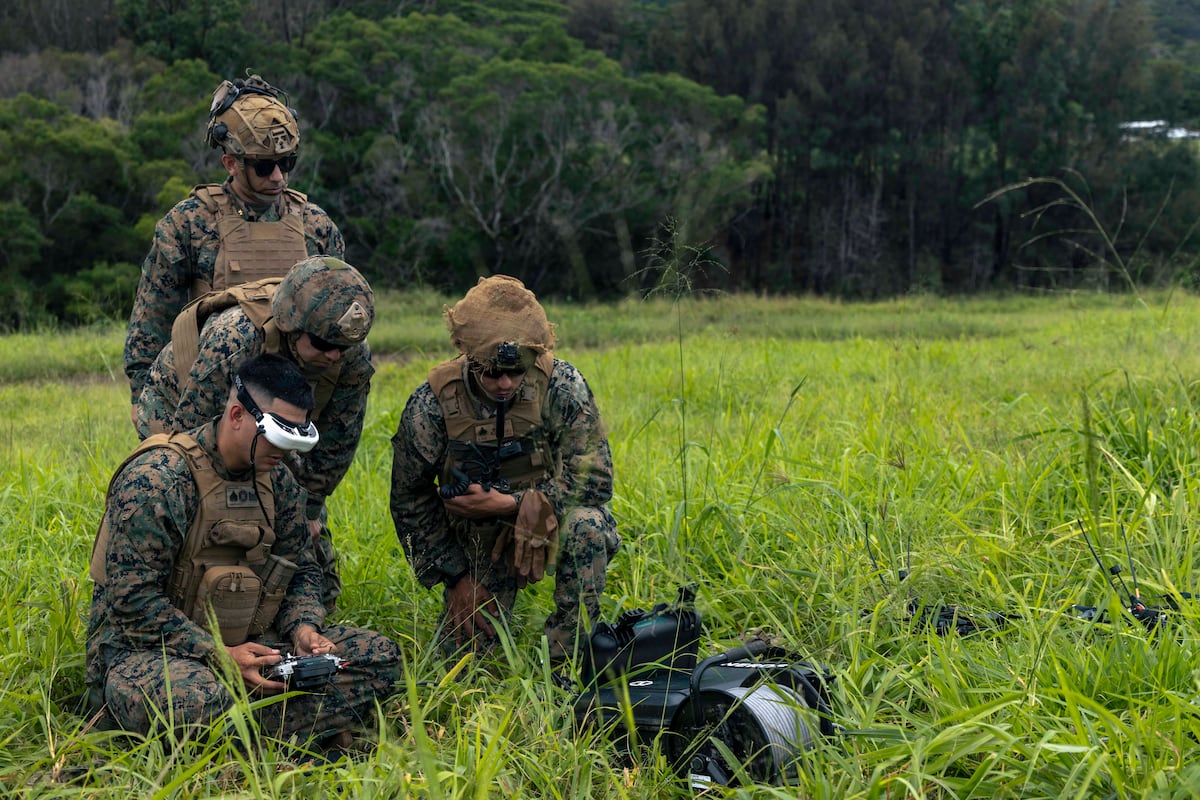
एक नई हथियार श्रेणी का तेज़ी से विस्तार
अमेरिकी Marine Corps का कहना है कि वह अक्टूबर 2025 में first-person view हमलावर ड्रोन न होने की स्थिति से कुछ ही महीनों बाद सेवा में 3,500 से अधिक ड्रोन रखने तक पहुंच गया है। Weapons Training Battalion के कमांडिंग ऑफिसर कर्नल Scott Cuomo द्वारा बताई गई यह संख्या सेवा के भीतर एक नई हथियार श्रेणी के हाल के सबसे तेज़ विस्तारों में से एक की ओर इशारा करती है।
First-person view ड्रोन, या FPV, ऑपरेटरों को चश्मे या स्क्रीन के जरिए विमान के दृष्टिकोण से लाइव फीड देते हैं। उपलब्ध स्रोत पाठ के अनुसार, इनमें से कई का वजन कुछ पाउंड होता है, वे विस्फोटक ले जा सकते हैं, और लगभग 100 मील प्रति घंटे की रफ्तार से उड़ सकते हैं। हाल के संघर्षों में, खास तौर पर यूक्रेन युद्ध में, इस वर्ग ने अपनी कम लागत, लचीलेपन और युद्धक्षेत्र पर प्रभाव के कारण गहरी दिलचस्पी आकर्षित की है।
ऊपरी स्तर के निर्देश से तेज़ तैनाती तक
Cuomo ने इस तेजी का श्रेय वरिष्ठ नेतृत्व के स्पष्ट निर्देश और पूरे बल में अनुकूलन क्षमता को दिया। उन्होंने समयरेखा को सीधे शब्दों में यूं समेटा: “अक्टूबर तक वापस जाएं। हमारे पास संयुक्त राज्य में शून्य FPV हमलावर ड्रोन थे। अभी हमारे पास 3,500 से अधिक हैं।” इस तरह की वृद्धि असामान्य है, न केवल इसलिए कि इसमें बड़ी संख्या शामिल है, बल्कि इसलिए भी कि यह उस तकनीकी श्रेणी को अपनाने के सैन्य प्रयास को दर्शाती है जो हाल ही में मुख्यधारा की बल-योजना चर्चाओं का केंद्र बनी है।
स्रोत पाठ के अनुसार, इस बदलाव को जनवरी 2025 में औपचारिक गति मिली, जब Training Command और Marine Corps Warfighting Laboratory के कमांडिंग जनरलों ने Marine Corps Attack Drone Team शुरू किया। इस कदम ने यूक्रेन युद्ध के दौरान इनके व्यापक प्रसार के बाद FPV ड्रोन की आवश्यकता को स्वीकार किया। यह टीम Marine Corps Base Quantico में स्थित है और प्रणालियों को Fleet Marine Force में एकीकृत करने के लिए Warfighting Laboratory के साथ काम करती है।
Marine Corps इतनी तेज़ी से क्यों आगे बढ़ रहा है
इस अपनाने की गति एक व्यापक आधुनिकीकरण सबक को दर्शाती है, जिसे कई सशस्त्र बल अपना रहे हैं: छोटे, चुस्त और अपेक्षाकृत सस्ते मानव रहित सिस्टम असमान रूप से बड़े सामरिक प्रभाव पैदा कर सकते हैं। Marine Corps का तेजी से विस्तार करने का निर्णय यह संकेत देता है कि सेवा अब FPV को एक सीमांत क्षमता या प्रयोगात्मक अतिरिक्त साधन के रूप में नहीं देखती। वह इसे उस व्यावहारिक हमलावर टूलकिट का हिस्सा मानती है, जिसकी पहुंच Marines को अभी चाहिए।
स्रोत पाठ यह भी स्पष्ट करता है कि वरिष्ठ स्तर का समर्थन महत्वपूर्ण था। Marine Corps Commandant Gen. Eric Smith को Marines तक FPV ड्रोन जल्दी पहुंचाने के मुखर समर्थक के रूप में वर्णित किया गया है। बड़े संगठनों में, खासकर सैन्य संगठनों में, इस तरह की शीर्ष-स्तरीय मंजूरी अक्सर यह तय करती है कि कोई नई क्षमता परीक्षणों में ही अटकी रहेगी या वास्तविक सूची में शामिल होगी। यहां परिणाम स्पष्ट रूप से गति में वृद्धि के रूप में सामने आया है।
संचालनात्मक और संस्थागत महत्व
यह विस्तार दो कारणों से महत्वपूर्ण है। पहला, यह सूची को बदलता है। 3,500 से अधिक प्रणालियों का भंडार प्रतीकात्मक नहीं है। यह प्रशिक्षण, सिद्धांत और खरीद प्राथमिकताओं को आकार देने के लिए पर्याप्त बड़ा है। दूसरा, यह संस्थागत अपेक्षाओं को बदलता है। जब कोई सेवा कम समय में हजारों प्रणालियां तैनात करती है, तो चर्चा इस बात से हटकर कि क्षमता महत्वपूर्ण है या नहीं, इस पर आ जाती है कि इसे कैसे संगठित, बनाए और एकीकृत किया जाना चाहिए।
Marine Corps अभी भी एकीकरण के चरण में है। उपलब्ध स्रोत पाठ में आने वाली खेप के लिए तैनाती के पैटर्न, इकाई-दर-इकाई वितरण, या खरीद संबंधी विवरण नहीं दिए गए हैं। लेकिन यह कहता है कि और हजारों रास्ते में हैं, जो दर्शाता है कि वर्तमान संख्या अंतिम नहीं है। सेवा एक साथ सूची भी बना रही है और उसके आसपास संगठनात्मक ढांचा भी तैयार कर रही है।
यूक्रेन का अमेरिकी बल-डिज़ाइन पर प्रभाव
यूक्रेन युद्ध पश्चिमी सेनाओं के इस सोच को प्रभावित करता रहा है कि सस्ते, expendable, उच्च-आयतन वाले मानव रहित सिस्टम कैसे काम करते हैं। उपलब्ध लेखों के इस सेट में Marine Corps का FPV विस्तार सबसे स्पष्ट संस्थागत उदाहरणों में से एक है। युद्धक्षेत्र की फुटेज और युद्धकालीन नवाचारों को दूर की घटनाओं की तरह देखने के बजाय, सेवा इन सबक को सीधे प्रशिक्षण और बल-विकास में शामिल करती दिख रही है।
यह महत्वपूर्ण है क्योंकि FPV स्वायत्तता, कम लागत वाली व्यापक तैनाती और तात्कालिक सामरिक प्रभाव के संगम पर खड़े हैं। बड़े ड्रोन की तुलना में ये सिस्टम अपेक्षाकृत सरल हों, तब भी युद्धक्षेत्र पर व्यवहार पर इनका प्रभाव गहरा हो सकता है। स्रोत पाठ यह दावा नहीं करता कि Marine Corps ने हर doctrinal या तकनीकी प्रश्न हल कर लिया है, लेकिन यह दिखाता है कि सेवा ने इस क्षमता को अभी स्केल पर तैनात करने लायक तात्कालिक माना है।
आगे क्या होगा
अगला चरण headline संख्या से कम और एकीकरण की गुणवत्ता से अधिक जुड़ा होगा। हजारों प्रणालियां तैनात करना एक समस्या है। उनके आसपास प्रशिक्षण पाइपलाइन, रखरखाव रूटीन, आपूर्ति श्रृंखलाएं और संचालन अवधारणाएं बनाना दूसरी समस्या है। स्रोत पाठ Attack Drone Team और Warfighting Laboratory की भूमिका के जरिए इसी काम की ओर संकेत करता है, क्योंकि दोनों को तेज़ खरीद को दोहराने योग्य सैन्य अभ्यास में बदलने के लिए तैनात किया गया है।
अभी के लिए, शीर्षक को नज़रअंदाज़ करना मुश्किल है। कुछ ही महीनों में Marine Corps का कहना है कि वह शून्य FPV हमलावर ड्रोन से 3,500 से अधिक तक पहुंच गया है, और आगे और आने वाले हैं। यह इस बात का तीखा संकेत है कि जब नेतृत्व एकमत हो और आवश्यकता को तत्काल माना जाए, तो युद्धक्षेत्र के सबक कितनी तेजी से खरीद प्राथमिकताओं को बदल सकते हैं।
यह लेख Defense News की रिपोर्टिंग पर आधारित है। मूल लेख पढ़ें.
Originally published on defensenews.com