Air Force ने collaborative combat aircraft testing को field operations की ओर स्थानांतरित किया
U.S. Air Force का Collaborative Combat Aircraft कार्यक्रम एक नए operational milestone पर पहुंच गया है, जहां Anduril का YFQ-44 Fury Nevada स्थित Creech Air Force Base पहुंच गया है, एक ऐसे exercise के लिए जो austere deployment और lean sustainment पर केंद्रित है। The War Zone की रिपोर्ट के अनुसार, pilotless aircraft Southern California Logistics Airport in Victorville से रवाना हुआ और Creech पर recovered हुआ, जो U.S. uncrewed aircraft operations का एक प्रमुख केंद्र है।
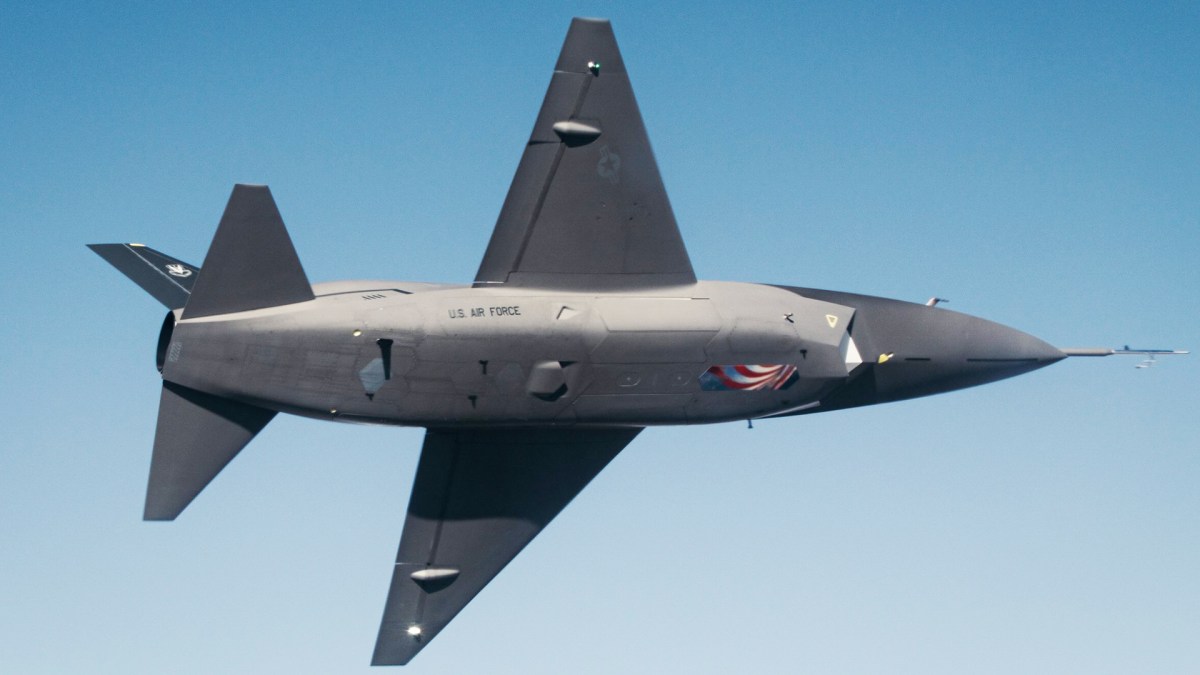
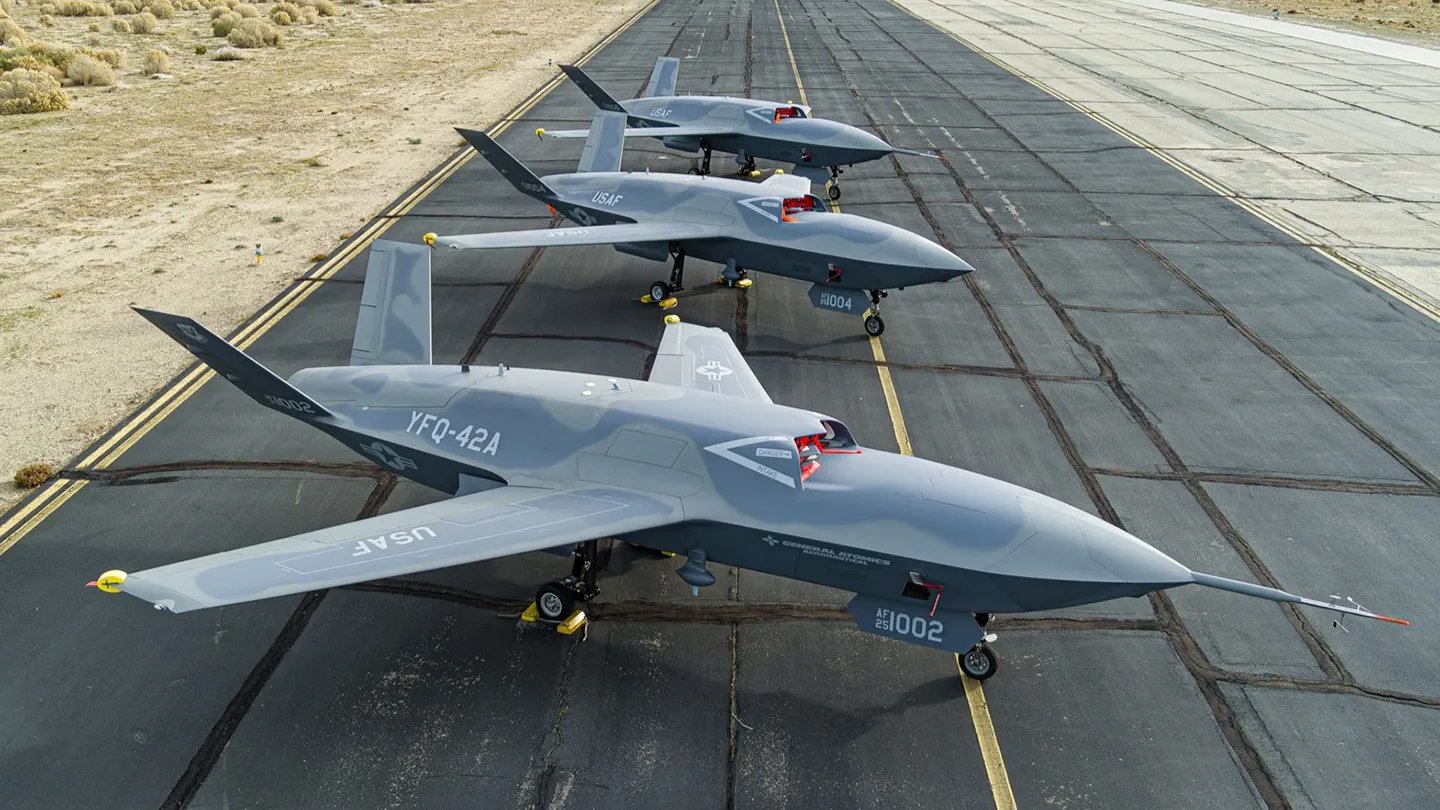
इस कदम का महत्व इसलिए है क्योंकि यह CCA प्रयास को design और production decisions से आगे ले जाकर एक अधिक व्यावहारिक सवाल पर केंद्रित करता है: इन aircrafts को demanding conditions में वास्तव में कैसे operated किया जाएगा। Air Force ने The War Zone को बताया कि 20 जुलाई से 24 जुलाई, 2026 तक, उसकी CCA Experimental Operations Unit Creech में Agile Combat Employment exercise कर रही है, जिसमें YFQ-44 और General Atomics का YFQ-42 Dark Merlin दोनों शामिल हैं।
Air Force के विवरण के अनुसार, military operators दोनों aircraft के लिए end-to-end ground और flight operations का नेतृत्व कर रहे हैं, ताकि tactical concepts तैयार किए जा सकें, lean sustainment का परीक्षण हो सके, और Air Force-led human-machine teaming को refine किया जा सके। रिपोर्ट में उद्धृत statement के अनुसार, Royal Netherlands Air Force के observers भी मौजूद हैं।
Creech क्यों महत्वपूर्ण है
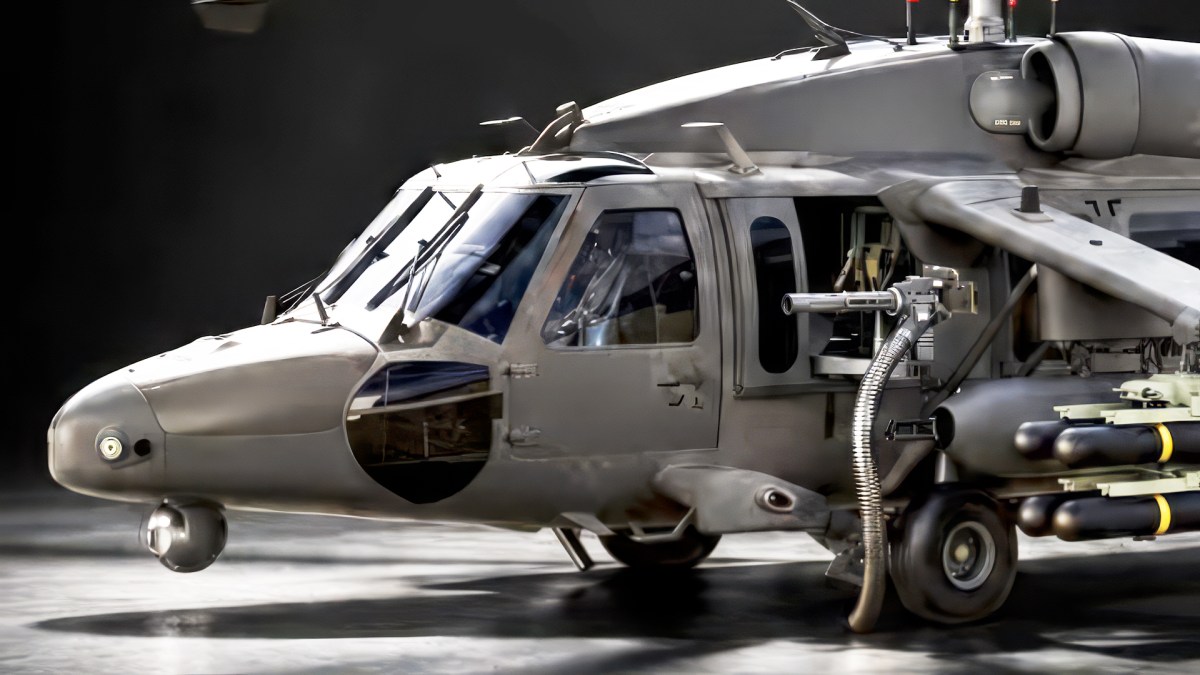
Creech को सबसे अधिक remotely operated और uncrewed platforms के hub के रूप में जाना जाता है, जिनमें MQ-9 Reaper और RQ-170 Sentinel शामिल हैं। वहां YFQ-44 को host किया जाना अपने आप में उल्लेखनीय है। The War Zone ने कहा कि Fury के base पर host होने का यह पहला ज्ञात मामला था। इससे यह exercise केवल एक relocation flight से अधिक महत्वपूर्ण बन जाती है: यह Air Force के नए collaborative aircrafts में से एक को uncrewed systems के इर्द-गिर्द बने एक वास्तविक operational ecosystem के भीतर रखती है।
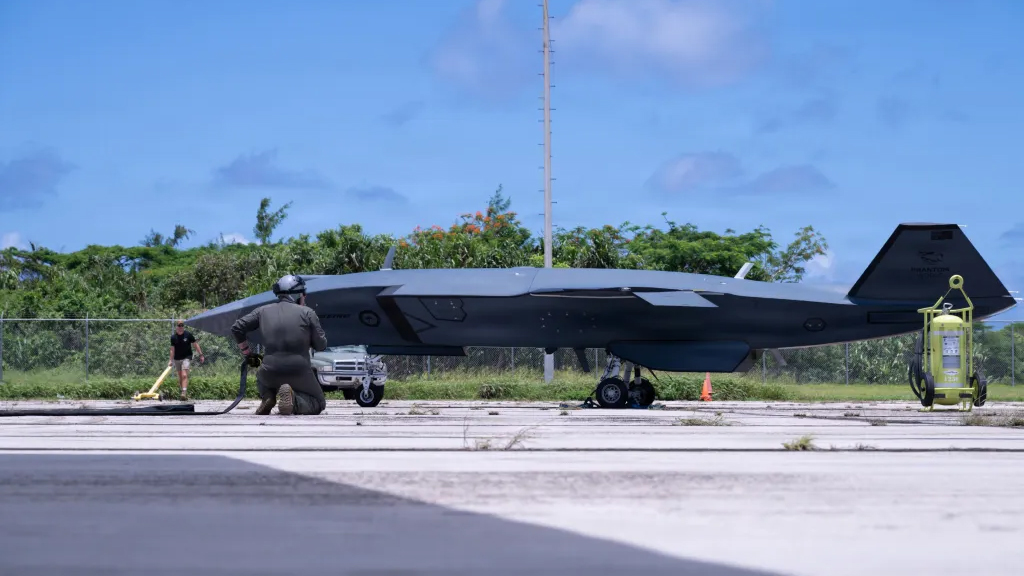
इसका व्यापक संदर्भ Air Force का Agile Combat Employment doctrine है, जिसे अक्सर ACE कहा जाता है। इस concept में forces को disperse करने, न्यूनतम support के साथ operate करने, और बड़े, स्थिर bases तथा भारी logistical footprint पर निर्भर रहने के बजाय locations के बीच लगातार move करते रहने की क्षमता पर जोर दिया जाता है। उन aircrafts के लिए जो crewed fighters और अन्य assets के साथ team करने के लिए बनाए गए हैं, ऐसी flexibility कोई गौण मुद्दा नहीं है। यह program के पीछे मौजूद operational logic का हिस्सा है।
रिपोर्ट के अनुसार, यह requirement CCA program में शुरुआत से ही शामिल थी। इसलिए मौजूदा exercise इस बात की परीक्षा है कि क्या ये शुरुआती design assumptions military personnel द्वारा, न कि केवल contractors या development teams द्वारा, वास्तविक procedures में बदली जा सकती हैं।
Air Force क्या परीक्षण कर रहा है
Air Force के statement में सबसे महत्वपूर्ण विवरण यह है कि operators दोनों ground और flight operations को end to end चला रहे हैं। इसका मतलब यह है कि exercise केवल aircraft performance को हवा में देखने तक सीमित नहीं है। यह उन practical tasks के बारे में भी है जो यह तय करते हैं कि कोई system distributed operations में उपयोगी है या नहीं: handling, launch और recovery workflows, support requirements, sustainment demands, और aircraft को mission-ready बनाए रखने के लिए आवश्यक manpower की मात्रा।
Lean sustainment विशेष रूप से महत्वपूर्ण है। Uncrewed combat aircraft pilots के लिए कम जोखिम और अधिक flexible force packages का वादा कर सकते हैं, लेकिन यदि platforms को बड़े support tails या specialized infrastructure की आवश्यकता हो, तो ये लाभ सीमित हो सकते हैं। ACE framework के तहत Creech पर testing से Air Force को यह मापने का अवसर मिलता है कि इन aircrafts को वास्तव में कितना footprint चाहिए और उन्हें कितनी जल्दी move या turn around किया जा सकता है।
Human-machine teaming का पहलू भी केंद्रीय है। Air Force की भाषा एक ऐसे operational model की ओर इशारा करती है जिसमें service personnel, केवल industry teams नहीं, इन aircrafts के उपयोग के लिए tactics और procedures विकसित करते हैं। यह इसलिए महत्वपूर्ण है क्योंकि collaborative combat platforms को व्यापक force structures में fit होना है, न कि isolated technology demonstrators के रूप में operate करना है।
Program की गति बढ़ रही है
The War Zone के अनुसार, CCA program ने तब गति पकड़ी जब Air Force ने Anduril के YFQ-44 Fury और General Atomics के YFQ-42 Dark Merlin को उत्पादन के लिए दो Increment One aircrafts के रूप में चुना। उस चयन ने competition से acquisition की ओर एक बड़ा संक्रमण पहले ही चिह्नित कर दिया था। Creech exercise एक और परत जोड़ता है, क्योंकि यह इस पर ध्यान केंद्रित करता है कि aircrafts का उपयोग और sustainment व्यवहार में कैसे किया जा सकता है।
दोनों selected designs की भागीदारी तुलना के लिहाज़ से भी महत्वपूर्ण है। YFQ-44 और YFQ-42 को एक ही ACE-oriented exercise में चलाने से Air Force को दो अलग-अलग air vehicles पर operational insights जुटाने का अवसर मिलता है, जबकि employment के लिए common concepts को refine किया जाता है। भले ही exact results सार्वजनिक न किए जाएं, event की संरचना यह संकेत देती है कि service raw aircraft capability जितना ही doctrine और fieldability पर भी ध्यान दे रही है।
Royal Netherlands Air Force observers की उपस्थिति एक और संकेत जोड़ती है। स्रोत formal partnership beyond observation का दावा नहीं करता, लेकिन उनकी मौजूदगी यह दर्शाती है कि सहयोगी forces इस बात में रुचि रखती हैं कि संयुक्त राज्य collaborative combat aircrafts को भविष्य के operations में कैसे integrate करना चाहता है। यह उल्लेखनीय है क्योंकि distributed basing, human-machine teaming, और low-footprint sustainment जैसे concepts केवल अमेरिकी चिंता नहीं हैं।
आगे क्या
रिपोर्ट में उद्धृत Air Force statement कहता है कि CCA testing government locations के संयोजन में हो रही है, जो यह रेखांकित करता है कि यह व्यापक development effort का हिस्सा है, न कि एक एकल event। फिर भी, 20-24 जुलाई का Creech exercise इसलिए अलग दिखता है क्योंकि यह program के कई threads को एक साथ जोड़ता है: production-selected aircrafts, operator-led activity, austere deployment, और ACE के तहत doctrinal experimentation।
इससे यह चरण एक routine test movement से अधिक महत्वपूर्ण हो जाता है। Air Force अब यह जांच रहा है कि क्या collaborative combat aircrafts modern air combat planning की बढ़ती मांग के अनुरूप mobile, distributed operations का समर्थन कर सकते हैं। यदि इन aircrafts को सरलता से sustain और efficiently move नहीं किया जा सकता, तो उनकी strategic utility घट जाती है। यदि वे ऐसा कर सकते हैं, तो वे crewed combat forces के लिए scalable partners के रूप में अधिक विश्वसनीय बन जाते हैं।
सार्वजनिक रिपोर्टिंग में अभी भी बहुत कुछ अनकहा है, जिसमें specific performance data, sortie outcomes, और sustainment metrics शामिल हैं। लेकिन यह exercise यात्रा की दिशा को स्पष्ट कर देती है। CCA program अब केवल designs चुनने के बारे में नहीं है। यह साबित करने के बारे में है कि autonomous या semi-autonomous combat aircrafts एक ऐसे military operating model में काम कर सकते हैं जो movement, resilience, और कम logistical burden के लिए बनाया गया है।
- Air Force ने कहा कि उसकी CCA Experimental Operations Unit 20-24 जुलाई, 2026 के बीच Creech में Agile Combat Employment exercise चला रही है।
- दोनों Increment One aircrafts, YFQ-44 Fury और YFQ-42 Dark Merlin, इसमें भाग ले रहे हैं।
- सेवा का कहना है कि operators end-to-end ground और flight operations, lean sustainment, और human-machine teaming का परीक्षण कर रहे हैं।
- स्रोत द्वारा उद्धृत Air Force statement के अनुसार, Royal Netherlands Air Force के observers उपस्थित हैं।
यह लेख twz.com की रिपोर्टिंग पर आधारित है। मूल लेख पढ़ें.
Originally published on twz.com