Recruitment Surplus Forces Slowdown
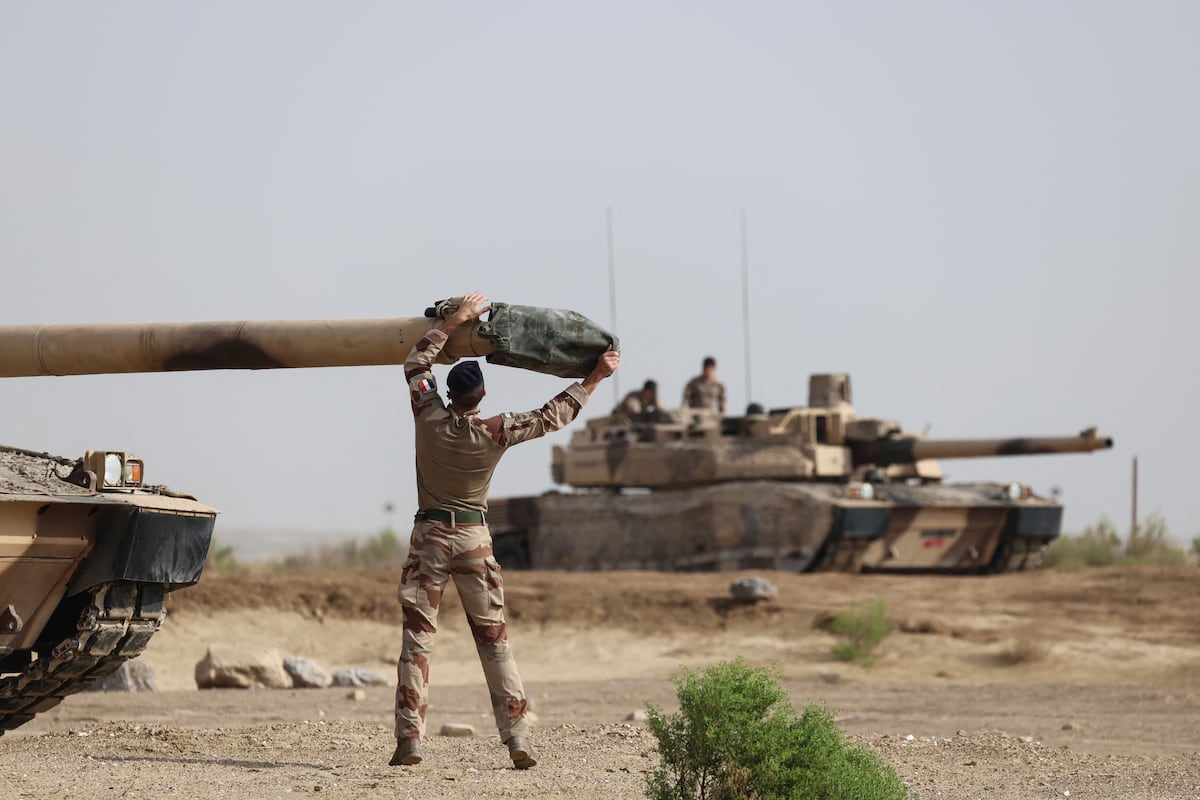
The French Army is experiencing an unusual problem: too many recruits. According to Gen. Patrick Justel, deputy chief of staff of the French Army, the service has had to slow down recruitment because it is attracting and retaining personnel at rates that exceed its budgetary capacity. In 2025, the French Army declined to recruit the equivalent of a regiment due to financial constraints, even as it continues to meet its force targets.
This situation stands in stark contrast to other European NATO members. Germany and Poland, for instance, are struggling to attract enough personnel to meet their ambitious expansion plans, even as they pour substantial funds into new equipment. Gen. Justel highlighted this asymmetry during a briefing in Paris, noting that while France has a wealth of human resources, it faces critical gaps in hardware.
Equipment Gaps: Spare Parts, Deep-Fires, and Counter-Drones
Despite the recruitment success, the French Army is lacking in several key equipment areas. Gen. Justel identified spare parts, deep-fires weaponry, and counter-drone defense as particular weaknesses. These shortfalls come at a time when European NATO members are increasing defense budgets in response to Russia's 2022 invasion of Ukraine and U.S. pressure for allies to assume more conventional defense responsibilities.
The French Army's equipment challenges highlight a broader issue: while France has a robust pool of young volunteers, it cannot fully equip them. This imbalance could undermine operational readiness, especially in high-intensity conflict scenarios where advanced weaponry and sustainment are critical.
Demographic and Cultural Advantages
France's recruitment surplus is rooted in demographic and cultural factors. France has one of the largest youth cohorts in Europe, with 6.2% of its population aged 15 to 19 in 2024, compared to 4.7% in Germany and 5% in Poland. Additionally, trust in the armed forces is exceptionally high in France, with 84% of the French expressing confidence, versus 73% in Germany and 76% in Poland, according to a May Eurobarometer poll.
Gen. Justel noted that young French recruits are not joining merely for employment; they are motivated by a desire to serve in combat units. This intrinsic motivation contributes to higher retention rates, further reducing the need for aggressive recruitment campaigns.
Contrast with Germany and Poland
Germany aims to expand its armed forces to 260,000 active soldiers by 2035, up from about 186,000 today. Poland intends to grow its forces to 300,000 from around 210,000 in mid-2025. Both countries face significant recruitment hurdles. Poland, in particular, contends with intensifying competition for labor in a growing economy that has the second-lowest unemployment rate in the European Union, as noted in a RAND report.
Gen. Justel observed that Poland has a real sense of urgency but still struggles to recruit. He emphasized that having a lot of weaponry without the fighters behind it remains problematic. This contrast underscores the different strategic challenges facing European allies as they bolster their defenses.
Future Outlook
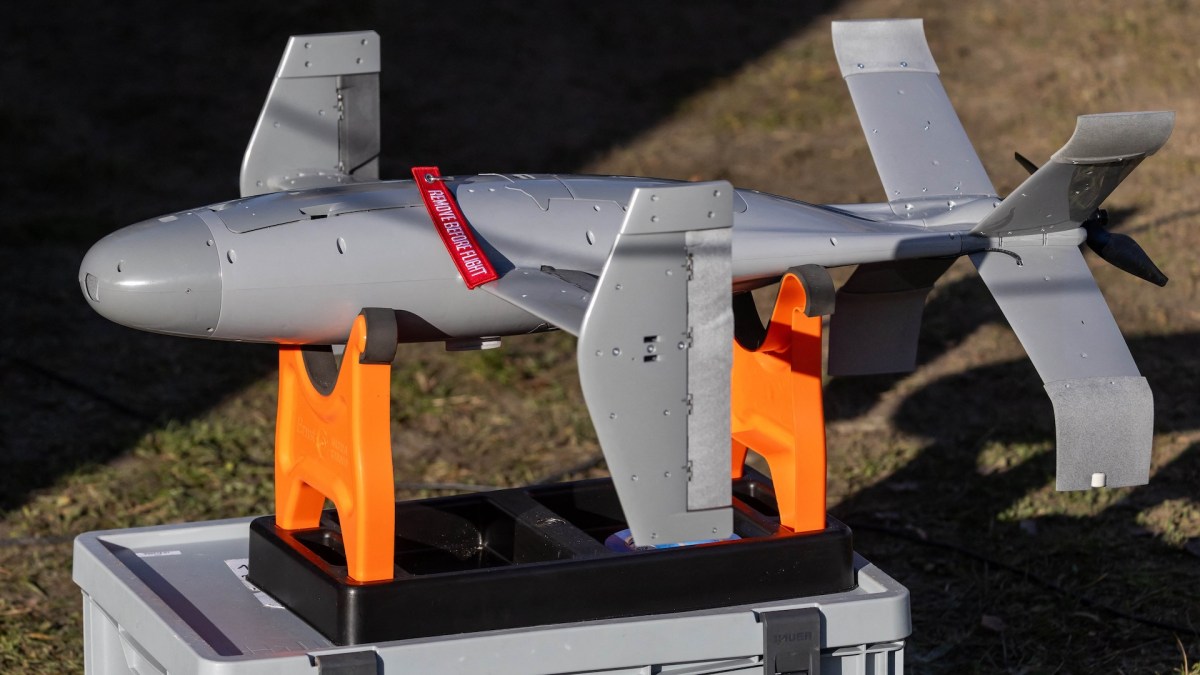
France plans to recruit 21,400 active-duty troops in 2026, maintaining a force of around 191,000 military personnel. However, the slowdown in recruitment suggests that the French Army may need to rebalance its priorities, focusing on equipping its existing forces rather than expanding them. The equipment shortfalls, particularly in deep-fires and counter-drone systems, are areas that require urgent investment to ensure the French Army can meet its NATO commitments and national defense needs.
As European defense dynamics evolve, the French experience offers a unique lesson: a surplus of motivated personnel is valuable, but without adequate equipment, it cannot translate into combat power. Addressing this imbalance will be a key challenge for French defense planners in the coming years.
This article is based on reporting by Defense News. Read the original article.
Originally published on defensenews.com