Introduction
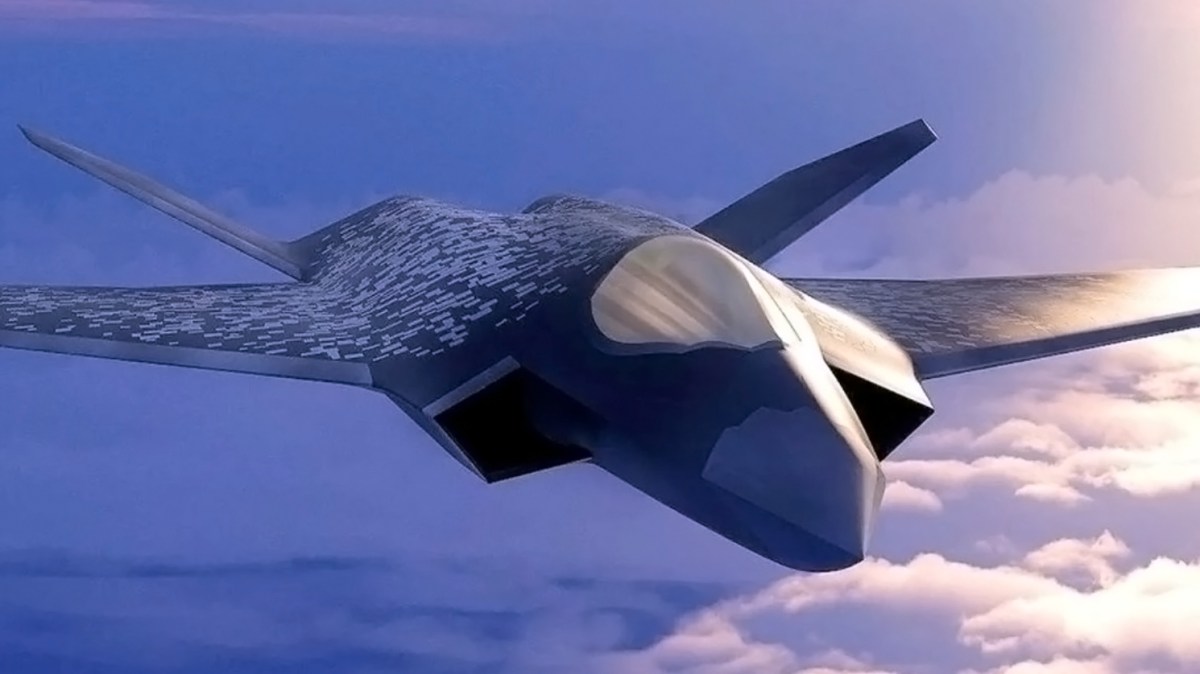
The troubled pan-European Future Combat Air System (FCAS) appears to have lurched to an undignified — but predictable — end, at least in its current form. A flurry of media reports today indicate that France and Germany, the two major partners in the program, have abandoned their program to develop a crewed New Generation Fighter (NGF) aircraft together, a conclusion supported by a French diplomat who spoke to The War Zone today.
Background of the FCAS Program
The FCAS program was envisioned as Europe's flagship next-generation fighter initiative, aiming to develop a crewed New Generation Fighter (NGF) along with a suite of accompanying systems, including drones and a combat cloud. The program involved France and Germany as lead partners, with Spain and Belgium as junior partners. The NGF was intended to replace current fighters such as the Rafale and Eurofighter by the 2040s.
However, the program has been plagued by disagreements over work-sharing, intellectual property, and technical requirements. These issues have been a source of tension between the main industrial partners, Dassault Aviation of France and Airbus of Germany. Despite multiple attempts to resolve differences, the partners have been unable to reach a consensus on key aspects of the project.
Collapse of the Program
According to sources including the Frankfurter Allgemeine Zeitung, German Chancellor Friedrich Merz has urged French President Emmanuel Macron to pull the plug on the NGF. The German newspaper cited unnamed government sources in Berlin. Reportedly, the French and German leaders concluded that the companies involved — Dassault and Airbus — have been unable to reach agreement on key aspects of the project, specifically relating to the jointly developed fighter jet.
At this stage, it is reported that Merz and Macron cannot see a future for the NGF, although it is apparently still unclear whether the French government fully shares this assessment and is prepared to accept its consequences. French officials are reportedly surprised by what they viewed as uncoordinated messaging from Berlin. From Paris’s perspective, it is the responsibility of political leaders to provide industry with clear direction.
Implications for European Defense
The collapse of the Franco-German FCAS program leaves a significant gap in European defense ambitions. Europe now has at least three separate next-generation fighter initiatives: the pan-European FCAS (now effectively dead), the British-led Global Combat Air Program (GCAP) centered on the Tempest fighter and involving Italy and Japan, and Sweden's own FCAS program led by Saab. The fragmentation of efforts raises concerns about interoperability, cost efficiency, and the ability of European nations to maintain a competitive edge in air combat capabilities.
The failure of the Franco-German partnership may also have broader geopolitical implications, potentially straining relations between the two key EU members. It underscores the challenges of multinational defense cooperation, especially when national industrial champions and differing operational requirements are involved.
What's Next?
With the NGF effectively dead, France and Germany may pursue separate paths. France could potentially deepen its collaboration with other European partners or even look to non-European options. Germany might reconsider its role in the GCAP or pursue a national solution. The future of the junior partners, Spain and Belgium, remains uncertain as they may seek to join other programs.
For now, the FCAS program's collapse marks a significant setback for European defense integration. The coming months will be critical as governments and industries reassess their strategies for next-generation air combat.
This article is based on reporting by twz.com. Read the original article.
Originally published on twz.com