
US Defense Intelligence Agency के नए unclassified assessment के अनुसार चीन 2020 के दशक के अंत तक उच्च कक्षाओं में उपग्रहों को खतरा पहुंचाने वाली space-based directed-energy प्रणालियां तैनात कर सकता है। यह संभावना बढ़ती counterspace capabilities और अंतरिक्ष से परे बढ़ती सैन्य प्रतिस्पर्धा के व्यापक संदर्भ में रखी गई है।
रिपोर्ट, Challenges to Security in Space, के अनुसार People’s Liberation Army directed-energy weapons को उपयोगी counterspace tools मानती है क्योंकि वे satellites पर reversible और nonreversible दोनों प्रभाव डाल सकती हैं। रिपोर्ट lasers, high-powered microwaves या particle beams में से किसी विशेष तकनीक की पुष्टि नहीं करती।
एक संभावित नई anti-satellite क्षमता
DIA के अनुसार चीन के पास पहले से ground-based directed-energy weapons हैं, जो satellites को disrupt, degrade या damage कर सकते हैं। इन्हें orbit में रखने से एक और संभावित anti-satellite, या ASAT, क्षमता जुड़ सकती है।
आकलन भविष्य-दृष्टि वाला है; यह नहीं कहता कि orbital weapon पहले से deployed है। रिपोर्ट किसी specific program, test या platform का सार्वजनिक तकनीकी विवरण नहीं देती।
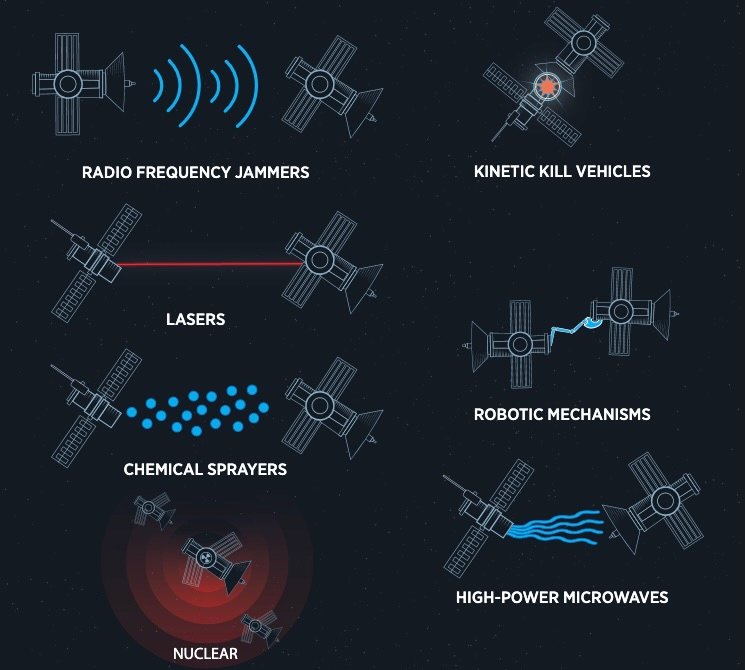
फिर भी, assessment दिखाता है कि सैन्य योजनाकार spacecraft को नष्ट किए बिना प्रभावित करने की क्षमता को महत्व देते हैं। Satellites communications, navigation, intelligence और warning systems को support करते हैं।
Reversible और permanent effects
Directed-energy systems आकर्षक हो सकते हैं क्योंकि उनके प्रभाव अलग-अलग हो सकते हैं। DIA reversible attacks में signal jamming और satellite optics को अस्थायी रूप से blind करना शामिल करता है।
Nonreversible effects अधिक गंभीर हो सकते हैं। ऐसी flexibility attribution और escalation decisions को कठिन बना सकती है, खासकर जब satellite महत्वपूर्ण हो लेकिन दिखाई देने वाले तरीके से नष्ट न हुआ हो।
Assessment में कहा गया है कि 2021 में PLA media ने laser weapons को “golden age” में प्रवेश करता बताया था और dazzling को operational use के रूप में पहचाना था।
Orbit तस्वीर कैसे बदलता है
Ground-based systems पहले से space targets के विरुद्ध उपयोग किए जा सकते हैं, लेकिन orbital directed-energy system संभावित टकराव की geometry बदल देगा। दूरी, line of sight और orbit इसकी क्षमता तय करेंगे।
DIA के अनुसार projected systems higher orbits में satellites को threaten कर सकते हैं। रिपोर्ट engagement ranges, power levels या operational limits नहीं बताती और इसे technical blueprint नहीं माना जाना चाहिए।
यह चेतावनी counterspace competition की दिशा दिखाती है। अंतरिक्ष-प्रतिस्पर्धा अब केवल spacecraft को भौतिक रूप से intercept करने तक सीमित नहीं है; electronic interference और optical disruption भी महत्वपूर्ण हैं।
व्यापक security assessment
DIA report मुख्यतः open-source information पर आधारित है और इसकी cutoff date July है। यह China, Russia, Iran और North Korea से global space interests को बढ़ते खतरों पर केंद्रित है।
सैटेलाइट ऑपरेटरों के लिए मुख्य मुद्दा resilience है। यदि spacecraft को jam, dazzle, degrade या damage किया जा सकता है, तो services की निरंतरता के लिए threat awareness और recovery क्षमता जरूरी है।
क्या अज्ञात है
रिपोर्ट यह नहीं बताती कि चीन कौन-सी technology field कर सकता है, उसे कैसे power किया जाएगा, कौन से satellites target होंगे या operational system आज मौजूद है या नहीं। समय-सीमा भी late 2020s से अधिक सटीक नहीं है।
- DIA के अनुसार चीन late 2020s तक space-based directed-energy systems field कर सकता है।
- ऐसी प्रणालियां higher orbits में satellites को threaten कर सकती हैं।
- रिपोर्ट specific technology या operational deployment की पुष्टि नहीं करती।
- प्रभाव temporary jamming या sensor dazzling से potentially permanent damage तक हो सकते हैं।
यह लेख twz.com की रिपोर्टिंग पर आधारित है। मूल लेख पढ़ें।
Originally published on twz.com