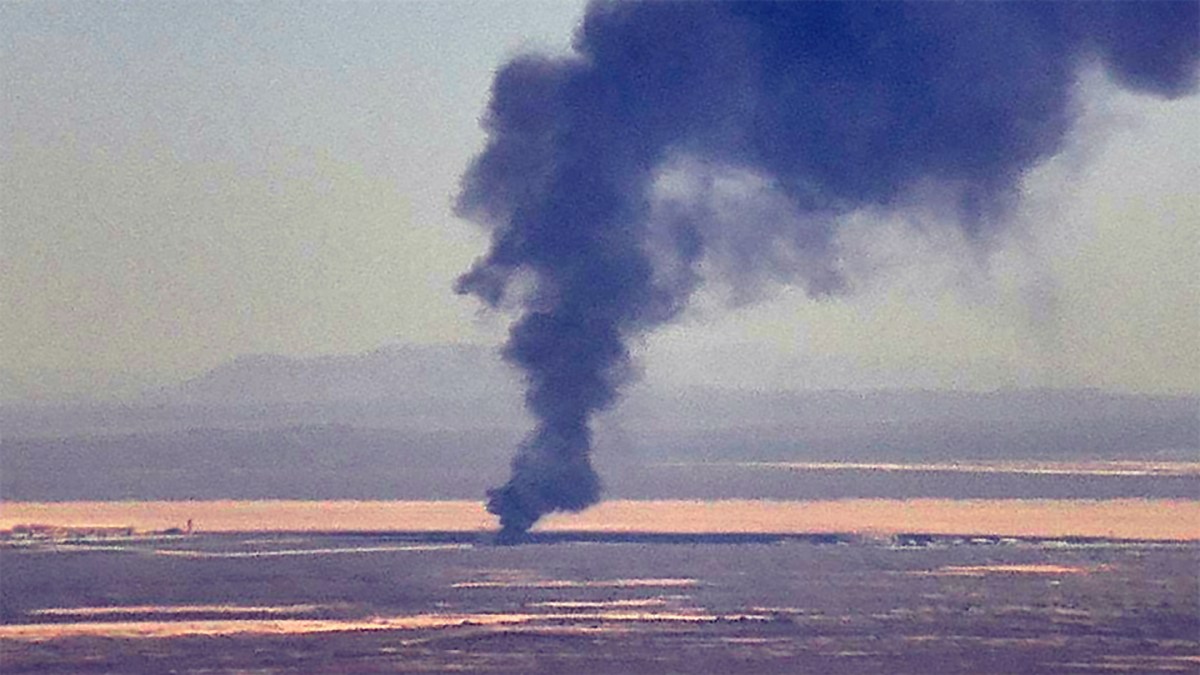
कैलिफोर्निया में सैन्य विमानन की बड़ी घटना
बेस द्वारा 15 जून को अपने आधिकारिक सोशल चैनलों पर जारी एक बयान के अनुसार, कैलिफोर्निया के एडवर्ड्स वायु सेना अड्डे पर एक अमेरिकी वायु सेना का B-52 स्ट्रैटोफोर्ट्रेस उड़ान भरने के तुरंत बाद दुर्घटनाग्रस्त हो गया। आपातकालीन दल तुरंत मौके पर पहुंचे, और अधिकारियों ने कहा कि जानकारी सामने आने के साथ स्थिति अभी भी जारी थी।
बेस के अनुसार दुर्घटना एडवर्ड्स के हवाई क्षेत्र में सुबह 11:20 बजे हुई। स्रोत सामग्री में उद्धृत छवियों और वीडियो में मुख्य रनवे के पास या उस पर एक बड़ी आग और काले धुएं का घना गुबार दिखा, जो कई मील दूर से दिखाई दे रहा था।
रिपोर्ट के समय, इस बारे में प्रमुख तथ्य अभी भी स्पष्ट नहीं थे कि विमान में कितने लोग सवार थे और उनकी स्थिति क्या थी। केवल यही अनिश्चितता इस घटना को महत्वपूर्ण बनाती है: B-52 एक बड़ा, लंबे समय से सेवा में रहा रणनीतिक बमवर्षक है, और इसके किसी भी दुर्घटनाग्रस्त होने से तुरंत परिचालन, सुरक्षा और आधुनिकीकरण से जुड़े सवाल उठते हैं।
रणनीतिक महत्व वाला विमान
B-52 अमेरिकी शस्त्रागार में सबसे पहचाने जाने वाले और महत्वपूर्ण बमवर्षकों में से एक बना हुआ है। हालांकि इसे दशकों पहले पेश किया गया था, यह प्रकार अब भी लंबी दूरी की हमले की योजना का केंद्र है और ऐसे बड़े उन्नयन से गुजर रहा है जिनका उद्देश्य इसे आने वाले वर्षों तक सेवा में बनाए रखना है।
स्रोत में कहा गया है कि संभावित रूप से शामिल विमान का टेल नंबर 061 हो सकता है, हालांकि प्रकाशन के समय इसकी पुष्टि नहीं हुई थी। यदि ऐसा है, तो यह अतिरिक्त ध्यान आकर्षित करेगा क्योंकि उस बमवर्षक को नए AN/APQ-188 एक्टिव इलेक्ट्रॉनिकली स्कैन्ड एरे रडार प्राप्त करने वाला पहला विमान बताया गया था, जो पूरे बेड़े में चल रहे एक बड़े आधुनिकीकरण प्रयास का हिस्सा है।
टेल नंबर की पुष्टि न होने के बावजूद, इसकी संभावना इस घटना की संवेदनशीलता को रेखांकित करती है। किसी परीक्षण, आधुनिकीकरण या विशेष रूप से कॉन्फ़िगर किए गए विमान से जुड़ी दुर्घटना के प्रभाव तत्काल दुर्घटना जांच से आगे तक जा सकते हैं।
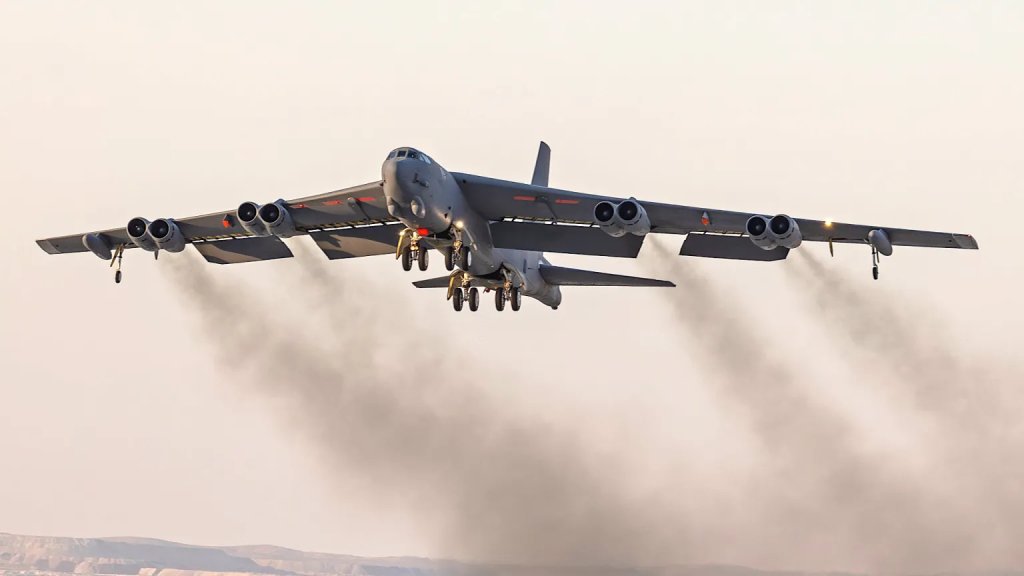
एडवर्ड्स क्यों महत्वपूर्ण है
एडवर्ड्स वायु सेना अड्डा सिर्फ एक और परिचालन स्थल नहीं है। यह अमेरिकी सेना के सबसे महत्वपूर्ण उड़ान-परीक्षण केंद्रों में से एक है, जो विकासात्मक विमानन, सिस्टम एकीकरण और उच्च-प्रोफ़ाइल एयरोस्पेस कार्यक्रमों से निकटता से जुड़ा हुआ है। वहां होने वाली दुर्घटना पर विशेष जांच होती है क्योंकि एडवर्ड्स में मौजूद विमान अक्सर परीक्षण, मूल्यांकन या विशेष संचालन में शामिल होते हैं।
स्रोत यह भी बताता है कि B-52 की इजेक्शन-सीट संरचना समय और ऊंचाई के आधार पर बच निकलने की प्रक्रिया को जटिल बना सकती है। उड़ान भरने के तुरंत बाद हुई दुर्घटना में, चालक दल की जीवित रहने की संभावना कुछ सेकंड, विमान के रुख और इस बात से तय हो सकती है कि टकराने से पहले आपातकालीन प्रक्रियाएं पूरी की जा सकती हैं या नहीं।
आगे क्या होगा
तत्काल रूप से, वायु सेना की प्राथमिकता आपातकालीन प्रतिक्रिया, स्थल को सुरक्षित करना और सभी कर्मियों का हिसाब लगाना है। इसके बाद औपचारिक दुर्घटना जांच होगी, जिसे उड़ान भरने से लेकर टकराने तक की घटनाओं का क्रम स्थापित करना होगा।
ऐसी जांचों में आम तौर पर विमान की स्थिति, रखरखाव इतिहास, मिशन प्रोफ़ाइल, मौसम, चालक दल की कार्रवाई और कोई विशेष उपकरण या चल रहा संशोधन कार्य देखा जाता है। B-52 जैसे पुराने और भारी उपयोग किए जाने वाले बेड़े के साथ, जांचकर्ताओं पर यह पता लगाने का दबाव भी होगा कि क्या यह दुर्घटना एक अलग-थलग घटना है या किसी व्यापक तकनीकी चिंता का संकेत।
- एडवर्ड्स ने कहा कि 15 जून को सुबह 11:20 बजे B-52 उड़ान भरने के तुरंत बाद दुर्घटनाग्रस्त हुआ।
- आपातकालीन दल तुरंत हवाई क्षेत्र पर पहुंचे।
- स्रोत रिपोर्ट में सवार लोगों की संख्या और उनकी स्थिति की पुष्टि अभी नहीं हुई थी।
जब तक आधिकारिक निष्कर्ष जारी नहीं होते, अधिकांश बड़े सवाल अनुत्तरित रहेंगे। लेकिन यह घटना अपने आप में पहले ही उल्लेखनीय है। B-52 सिर्फ एक विरासत प्लेटफ़ॉर्म नहीं है; यह अमेरिकी रणनीतिक वायुशक्ति का एक सक्रिय घटक है और चल रहे आधुनिकीकरण का एक प्रमुख विषय भी है।
इसलिए एडवर्ड्स में हुई यह दुर्घटना परिचालन तत्परता, उड़ान सुरक्षा और भविष्य की बल-योजना के संगम पर आती है। तात्कालिक कहानी एक हवाई क्षेत्र की आपात स्थिति है। बड़ी कहानी इस पर निर्भर कर सकती है कि जांचकर्ता वायु सेना के सबसे लंबे समय तक सेवा देने वाले बमवर्षकों में से एक के बारे में क्या सीखते हैं।
यह लेख twz.com की रिपोर्टिंग पर आधारित है। मूल लेख पढ़ें.
Originally published on twz.com