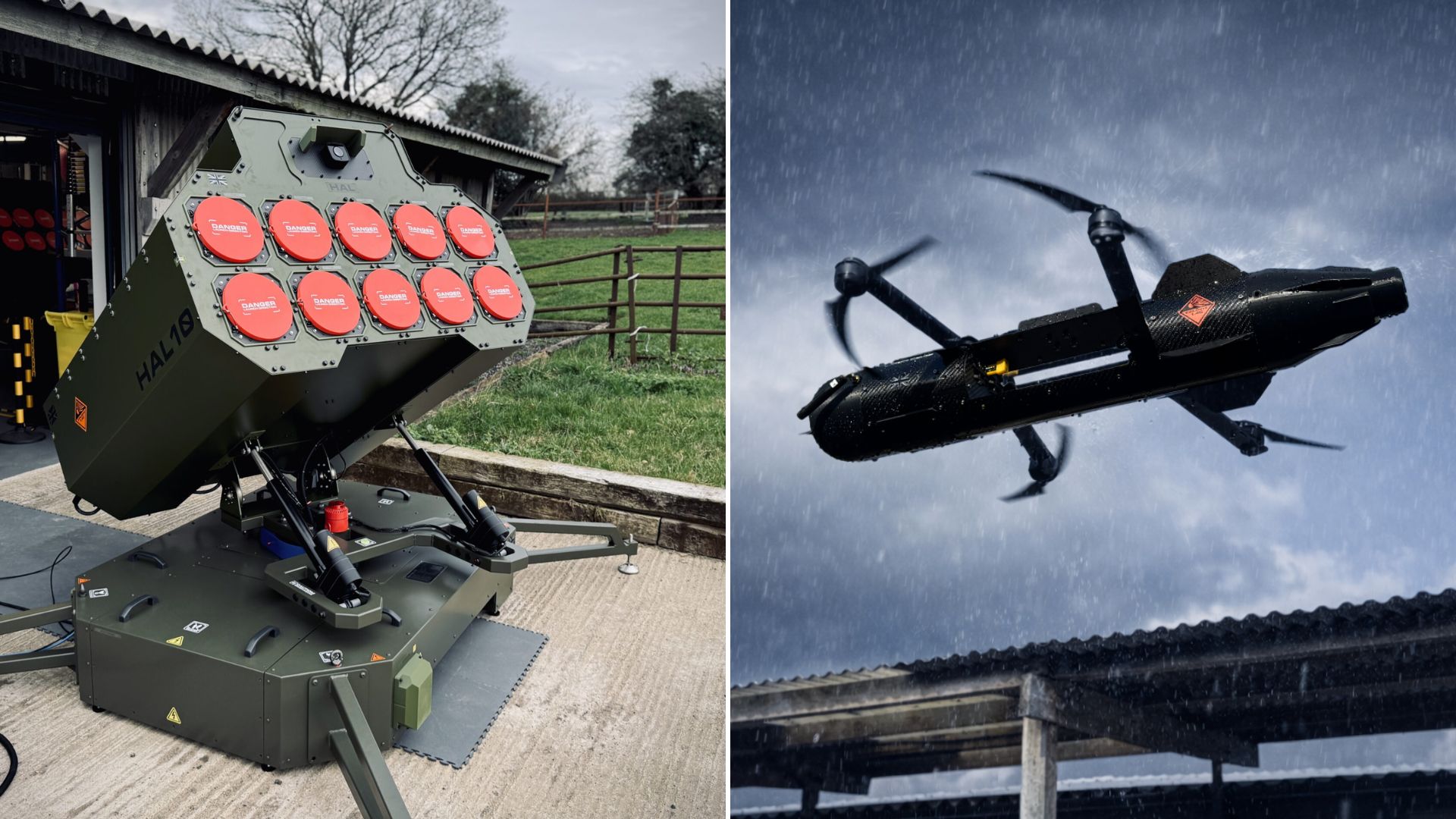
एक कॉम्पैक्ट लॉन्चर, और युद्धक्षेत्र की एक परिचित प्राथमिकता
Interesting Engineering की रिपोर्ट के अनुसार, ब्रिटिश ड्रोन निर्माता ISS Aerospace ने एक कॉम्पैक्ट लॉन्चर विकसित किया है, जिसका उद्देश्य युद्धक्षेत्र निगरानी के लिए 10 ड्रोन तेजी से तैनात करना है। स्रोत सामग्री में उपलब्ध सीमित तकनीकी विवरण के बावजूद, यह अवधारणा सैन्य प्रौद्योगिकी की सबसे स्पष्ट दिशाओं में से एक को दर्शाती है: बलों को आकाश में अधिक “आंखें” चाहिए, और वे उन्हें तुरंत उपलब्ध भी चाहते हैं।
यह आवश्यकता तब और अधिक केंद्रीय हो गई है जब छोटे मानवरहित हवाई प्रणालियां विशिष्ट उपकरणों से निकलकर नियमित युद्धक्षेत्र बुनियादी ढांचे का हिस्सा बन रही हैं। निगरानी ड्रोन इकाइयों को स्थिति-ज्ञान बढ़ाने, गतिविधियों की पहचान करने, भूभाग का अवलोकन करने और तेजी से बदलते वातावरण में अनिश्चितता कम करने में मदद कर सकते हैं। इसलिए, एक ऐसा लॉन्चर जो तैनाती की गति और घनत्व बढ़ाता है, केवल हार्डवेयर का परिष्कार नहीं है। यह एक परिचालन बाधा का समाधान है।
लॉन्च गति क्यों मायने रखती है
ऐसी प्रणाली का महत्व समय-निर्धारण में निहित है। कई सामरिक परिस्थितियों में, अगर खुफिया जानकारी बहुत देर से पहुंचे तो उसका मूल्य कम हो जाता है। कई ड्रोन को तेजी से हवा में भेजने के लिए डिज़ाइन किया गया प्लेटफ़ॉर्म निगरानी की आवश्यकता पहचानने और उपयोगी हवाई कवरेज तैयार होने के बीच की देरी को कम करने के प्रयास का संकेत देता है।
Interesting Engineering द्वारा संक्षेपित शीर्षक और अंश एक कॉम्पैक्ट फॉर्म फैक्टर और 10 ड्रोन की तेज़ तैनाती की ओर इशारा करते हैं। यह संयोजन पोर्टेबिलिटी और गति का संकेत देता है। पोर्टेबिलिटी इसलिए महत्वपूर्ण है क्योंकि अत्यधिक भारी-भरकम युद्धक्षेत्र प्रणालियां अक्सर नियंत्रित परिस्थितियों के बाहर प्रासंगिक बने रहने में संघर्ष करती हैं। गति इसलिए महत्वपूर्ण है क्योंकि निगरानी तेजी से पहचान और छिपाव के बीच की दौड़ बनती जा रही है।
यदि कोई लॉन्चर एक टीम को थोड़े समय में कई ड्रोन हवा में भेजने देता है, तो वह व्यापक क्षेत्र के अवलोकन का समर्थन कर सकता है या तब कवरेज बनाए रख सकता है जब कोई प्लेटफ़ॉर्म खो जाए, जाम हो जाए या उसकी क्षमता समाप्त हो जाए। दिए गए पाठ में आगे के प्रकाशित विनिर्देश न होने के बावजूद, अंतर्निहित मांग समझना आसान है: कमांडर बड़े, जटिल संसाधनों पर निर्भर हुए बिना तेज़ हवाई संवेदन चाहते हैं।

सैन्य प्रणालियों में बड़ा बदलाव
इस वस्तु के बारे में जो बात सबसे अधिक ध्यान खींचती है, वह केवल लॉन्चर नहीं है, बल्कि यह भी है कि यह बल-डिज़ाइन के बारे में क्या कहता है। सैन्य खरीद प्रणाली छोटे, सस्ते, अधिक संख्या में और अधिक वितरित समाधानों की ओर बढ़ रही है। ड्रोन इस पैटर्न में फिट बैठते हैं। उनके उपयोग को बड़े पैमाने पर आसान बनाने वाले सहायक उपकरण भी इसी पैटर्न का हिस्सा हैं।
कई निगरानी ड्रोन के लिए लॉन्चर इस व्यापक बदलाव के अनुरूप है। हर विमान को एक कीमती, स्वतंत्र प्रणाली मानने के बजाय, जोर समन्वित तैनाती, संचालनिक अतिरिक्तता और मात्रा पर चला जाता है। व्यावहारिक रूप से, इसका मतलब दबाव में बेहतर लचीलापन और अग्रिम पंक्ति की टीमों के लिए अधिक लचीले विकल्प हो सकते हैं।
यह भी संकेत देता है कि ड्रोन युद्ध अब केवल विमान तक सीमित नहीं है। आसपास का पारिस्थितिकी तंत्र महत्वपूर्ण है: लॉन्च सिस्टम, संचार, पुनर्प्राप्ति प्रक्रियाएं, बैटरियां, सॉफ़्टवेयर और सिद्धांत सभी प्रभावशीलता को आकार देते हैं। जैसे-जैसे मानवरहित प्रणालियां बढ़ती हैं, ये सक्षम करने वाले घटक अपने आप में रणनीतिक बन जाते हैं।
निगरानी एक रोज़मर्रा की आवश्यकता के रूप में
उम्मीदवार के साथ दिए गए अंश में लॉन्चर को युद्धक्षेत्र निगरानी के इर्द-गिर्द रखा गया है, जो एक विशेष रूप से महत्वपूर्ण उपयोग है। निगरानी छोटे ड्रोन के बुनियादी उपयोगों में से एक है, क्योंकि यह गति से लेकर सुरक्षा और लक्ष्य निर्धारण निर्णयों तक लगभग हर अन्य सैन्य कार्य को प्रभावित करती है। बेहतर टोही योजना को सुधार सकती है, जोखिम को कम कर सकती है और इकाइयों को अधिक बुद्धिमानी से प्रतिक्रिया देने में मदद कर सकती है।
यह समझाने में मदद करता है कि तेज़ ड्रोन तैनाती के लिए डिज़ाइन किया गया लॉन्चर, बिना किसी नाटकीय सीमा या स्वायत्तता के दावे के भी, ध्यान क्यों आकर्षित करेगा। मूल्य किसी एक प्रदर्शन मीट्रिक से कम और कार्यप्रवाह से अधिक जुड़ा हो सकता है। यदि कोई प्रणाली कई प्लेटफ़ॉर्म को तेजी से और बार-बार हवा में भेजना आसान बनाती है, तो यह बदल सकती है कि ड्रोन टोही का उपयोग कितनी बार होता है और उसे सामान्य अभियानों में कितनी गहराई से एकीकृत किया जाता है।
उस अर्थ में, कॉम्पैक्ट लॉन्च हार्डवेयर को नियमित संवेदन के सैन्यीकरण के हिस्से के रूप में देखा जा सकता है। लक्ष्य केवल ड्रोन रखना नहीं है, बल्कि हवाई अवलोकन को निरंतर, तेज़ और कार्रवाई के बिंदु के करीब सुलभ बनाना है।
आगे क्या देखें
चूंकि दिए गए स्रोत पाठ में केवल शीर्षक और संक्षिप्त अंश शामिल है, इसलिए कुछ महत्वपूर्ण प्रश्न अनुत्तरित हैं। अभी यह स्पष्ट नहीं है कि लॉन्चर किस तरह से संचालित होता है, ड्रोन फिक्स्ड-विंग हैं या मल्टीरोटर, सभी 10 कितनी जल्दी तैनात किए जा सकते हैं, या मौसम, गतिशीलता की सीमाओं, या इलेक्ट्रॉनिक हस्तक्षेप जैसे युद्धक्षेत्र तनावों के तहत प्रणाली कैसा प्रदर्शन करती है।
फिर भी, यह कहानी एक संकेत के रूप में उपयोगी है। रक्षा नवाचार तेजी से ड्रोन उपयोग को तदर्थ क्षमता से एक मानकीकृत, दोहराए जाने योग्य सामरिक अभ्यास में बदलने पर केंद्रित है। लॉन्च को सरल बनाने और निगरानी को बढ़ाने वाली प्रणालियां उसी परिवर्तन का हिस्सा हैं।
यदि ISS Aerospace का लॉन्चर वर्णन के अनुसार कार्य करता है, तो यह उसी प्रवृत्ति में पूरी तरह फिट बैठेगा: छोटी टीमों को कम सेटअप और अधिक संचालनिक लचीलेपन के साथ, अधिक हवाई टोही तक तेज़ पहुंच मिलती है। शीर्षक का दावा संकीर्ण है, लेकिन जिस सैन्य दिशा की ओर यह इशारा करता है, वह व्यापक और स्पष्ट है।
यह लेख Interesting Engineering की रिपोर्ट पर आधारित है। मूल लेख पढ़ें.
Originally published on interestingengineering.com