Drone Swarms में समय सब कुछ है
एक drone एक मंच है। दर्जनों या सैकड़ों drones का एक समन्वित झुंड गुणात्मक रूप से भिन्न है—एक वितरित प्रणाली जो एक साथ बहु-कोणीय हमले, समन्वित jamming, overlapping field of view के साथ निरंतर निगरानी, और सामूहिक व्यवहार जो किसी भी एकल इकाई की तुलना में रक्षा करना बहुत अधिक कठिन है। Drone swarms की रणनीतिक क्षमता को हाल के कई संघर्षों में प्रदर्शित किया गया है, और विश्व के सैन्य योजनाकार झुंड क्षमताओं को विकसित करने और प्रतिद्वंद्वी झुंडों से बचाव दोनों में भारी निवेश कर रहे हैं।
लेकिन झुंड समन्वय की एक मौलिक तकनीकी आवश्यकता है: समय। Drones को अपने कार्यों को बहुत छोटी समय windows में तुल्यकालित करना होता है—कुछ अनुप्रयोगों में nanoseconds—जो झुंडों को समन्वित प्रभाव प्राप्त करने में सक्षम करता है जो सैन्य रूप से उपयोगी है। GPS कई वर्तमान अनुप्रयोगों के लिए समय प्रदान करता है, लेकिन GPS-based समय के ज्ञात vulnerabilities हैं: सिग्नल को jamming किया जा सकता है, spoofed, या प्रतिद्वंद्वी electromagnetic वातावरण में भी नकारा जा सकता है। झुंडों को जो चाहिए वह समय का एक स्रोत है जो बाहरी संकेतों पर निर्भर नहीं करता—एक आत्मनिर्भर घड़ी जो परिचालन प्रासंगिक समय अवधि के लिए nanosecond तुल्यकालन बनाए रखने के लिए काफी सटीक है।
Atomic Clocks और Size क्यों महत्वपूर्ण है
Atomic clocks atoms के अत्यंत precise और स्थिर oscillation frequency का उपयोग करके काम करते हैं—आमतौर पर cesium या rubidium—timebase के रूप में। Cesium-133 की resonance frequency, जिसका उपयोग अंतर्राष्ट्रीय मान के लिए दूसरे को परिभाषित करने के लिए किया जाता है, इतनी स्थिर है कि एक cesium atomic clock हर 300 मिलियन साल में लगभग एक सेकंड खो देता है। अत्यंत सटीक समय तुल्यकालन की आवश्यकता वाले अनुप्रयोगों के लिए कोई बेहतर उपलब्ध तकनीक नहीं है।
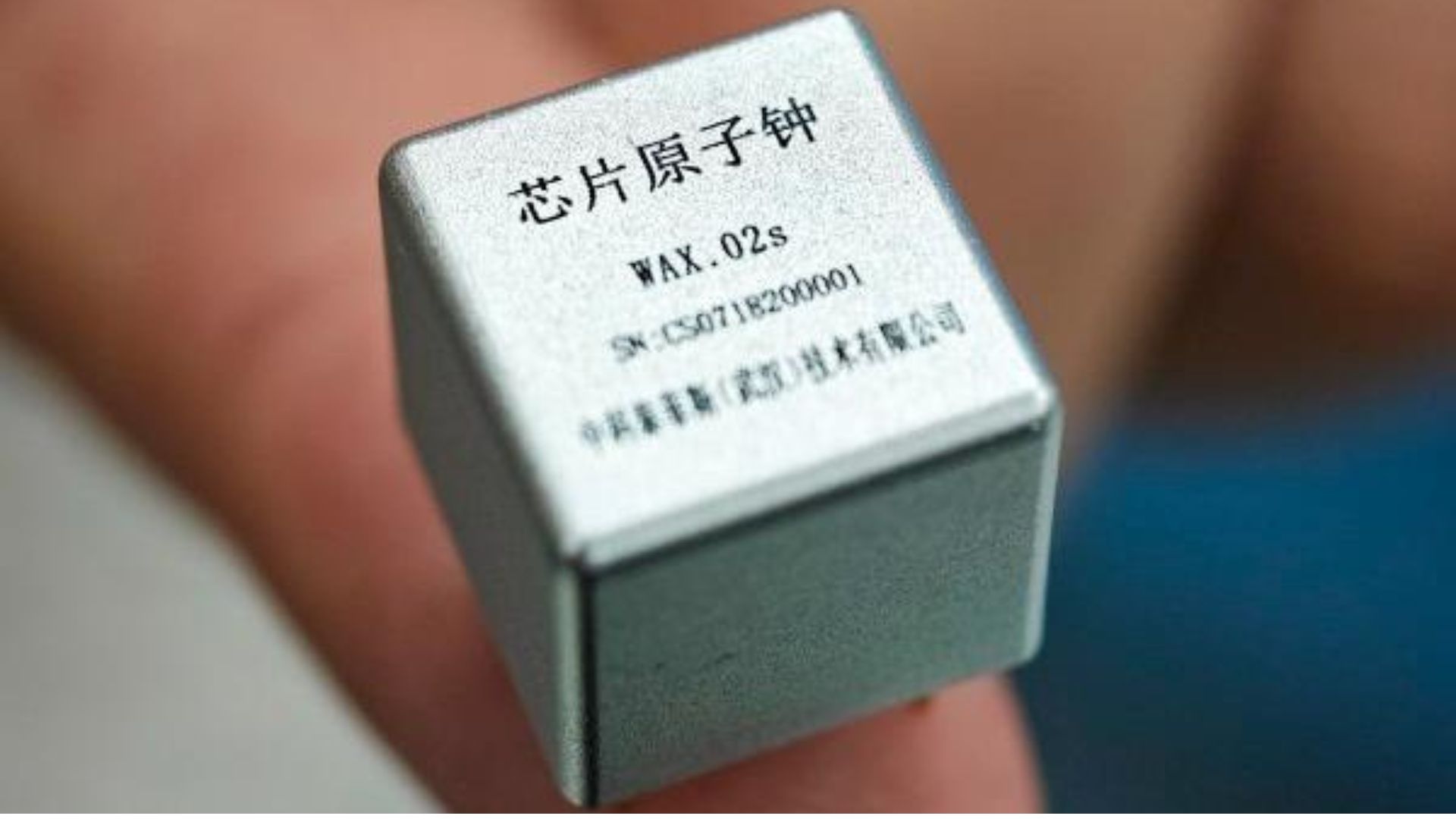
समस्या आकार और बिजली की खपत है। पारंपरिक atomic clocks कमरे के आकार के उपकरण हैं। Chip-scale atomic clocks को पिछले दो दशकों में माचिस की डिब्बी के आकार के उपकरणों में कम किया गया है जो हाथ में पकड़े जाने वाले उपकरणों में एकीकृत किए जा सकते हैं, लेकिन ये सबसे छोटे UAVs के लिए बहुत बड़े और बिजली-भूख हैं। एक drone जो माचिस की डिब्बी के आकार की atomic clock ले जा रहा है एक drone है जो अपना मुख्य payload नहीं ले सकता।
चीनी दल का उपकरण मौजूदा chip-scale atomic clocks की तुलना में काफी छोटा होने की सूचना दी गई है जबकि drone swarm अनुप्रयोगों के लिए पर्याप्त सटीकता बनाए रखता है। अनुसंधान में उद्धृत विशिष्ट आयाम और सटीकता आंकड़े इसे ऐसे एक शासन में रखते हैं जो छोटे सामरिक drones में एकीकरण के लिए निषेधात्मक वजन या बिजली दंड के बिना संगत है।

तकनीकी दृष्टिकोण
Miniaturization की उपलब्धि कई क्षेत्रों में एक साथ प्रगति पर निर्भर करती है। Physics package—वह हिस्सा जो atoms और उनकी resonance पूछताछ करने वाली laser system को शामिल करता है—MEMS fabrication तकनीकों द्वारा miniaturized किया गया है जो लघुचित्र vapor cells और photonic components के निर्माण की अनुमति देते हैं। Control electronics को custom silicon chips में एकीकृत किया गया है जो पिछली designs की तुलना में बहुत छोटे footprint में आवश्यक प्रदर्शन प्राप्त करते हैं।
Drone integration के लिए आवश्यक बिजली की खपत में कमी आंशिक रूप से miniaturization के माध्यम से प्राप्त की गई थी—छोटे भौतिक elements को control करने के लिए कम ऊर्जा की आवश्यकता होती है—और आंशिक रूप से redesigned control algorithms के माध्यम से जो timing सटीकता बनाए रखते हुए power-intensive operations के duty cycle को कम करते हैं। परिणामी system operational प्रासंगिक timeframes में झुंड तुल्यकालन के लिए sufficient सटीकता प्राप्त करता है बिना बाहरी reference updates के।
सैन्य और नागरिक अनुप्रयोग
स्पष्ट सैन्य अनुप्रयोग GPS से drone swarm timing independence है। लेकिन एक ही तकनीक के महत्वपूर्ण नागरिक अनुप्रयोग हैं। Telecommunications networks को 5G और emerging 6G systems के लिए precise timing तुल्यकालन की आवश्यकता है। Navigation systems जो GPS पर भरोसा नहीं कर सकते—tunnels में, urban canyons में, या अन्य GPS-denied वातावरण में संचालन के लिए—उच्च-सटीकता आत्मनिर्भर घड़ियों से लाभान्वित होते हैं। Atomic clocks को miniaturize करने की दौड़ संयुक्त राज्य में भी चल रही है। DARPA ने chip-scale atomic clocks को लक्षित करने वाले multiple programs में बिनिवेश किया है improved सटीकता और कम बिजली की खपत के साथ, including Atomic Clock with Enhanced Stability program। इस क्षेत्र में यूएस और चीन के प्रयासों के बीच प्रतिस्पर्धी गतिशीलता dual-use timing और navigation तकनीक में व्यापक तकनीकी प्रतिस्पर्धा का हिस्सा है।
Verification और Implications
चीनी दल के दावों को अभी तक peer review और अन्य groups द्वारा replication के माध्यम से independently verified नहीं किया गया है। इस field में miniaturization records के दावों के लिए सावधान scrutiny की आवश्यकता है: performance metrics जो महत्वपूर्ण हैं—सटीकता, समय पर stability, बिजली की खपत, और field conditions में vibration और temperature variation के लिए resistance—सभी को demonstrated किया जाना चाहिए, सिर्फ headline size आंकड़े नहीं।
यदि performance दावे validated हैं, तकनीक drone swarms की tactical autonomy में एक meaningful advancement का प्रतिनिधित्व करती है और इस बात के लिए implications रखती है कि defense planners GPS denial को counter-swarm strategy के रूप में कैसे सोचते हैं। Systems जो GPS के बिना accurate internal तुल्यकालन बनाए रख सकते हैं electronic warfare tactics के लिए अधिक resilient हैं जो adversaries ने GPS-dependent platforms को defeat करने के लिए विकसित किए हैं।
यह लेख Interesting Engineering द्वारा reporting पर आधारित है। मूल लेख पढ़ें.
Originally published on interestingengineering.com