कक्षा से बुद्धिमत्ता
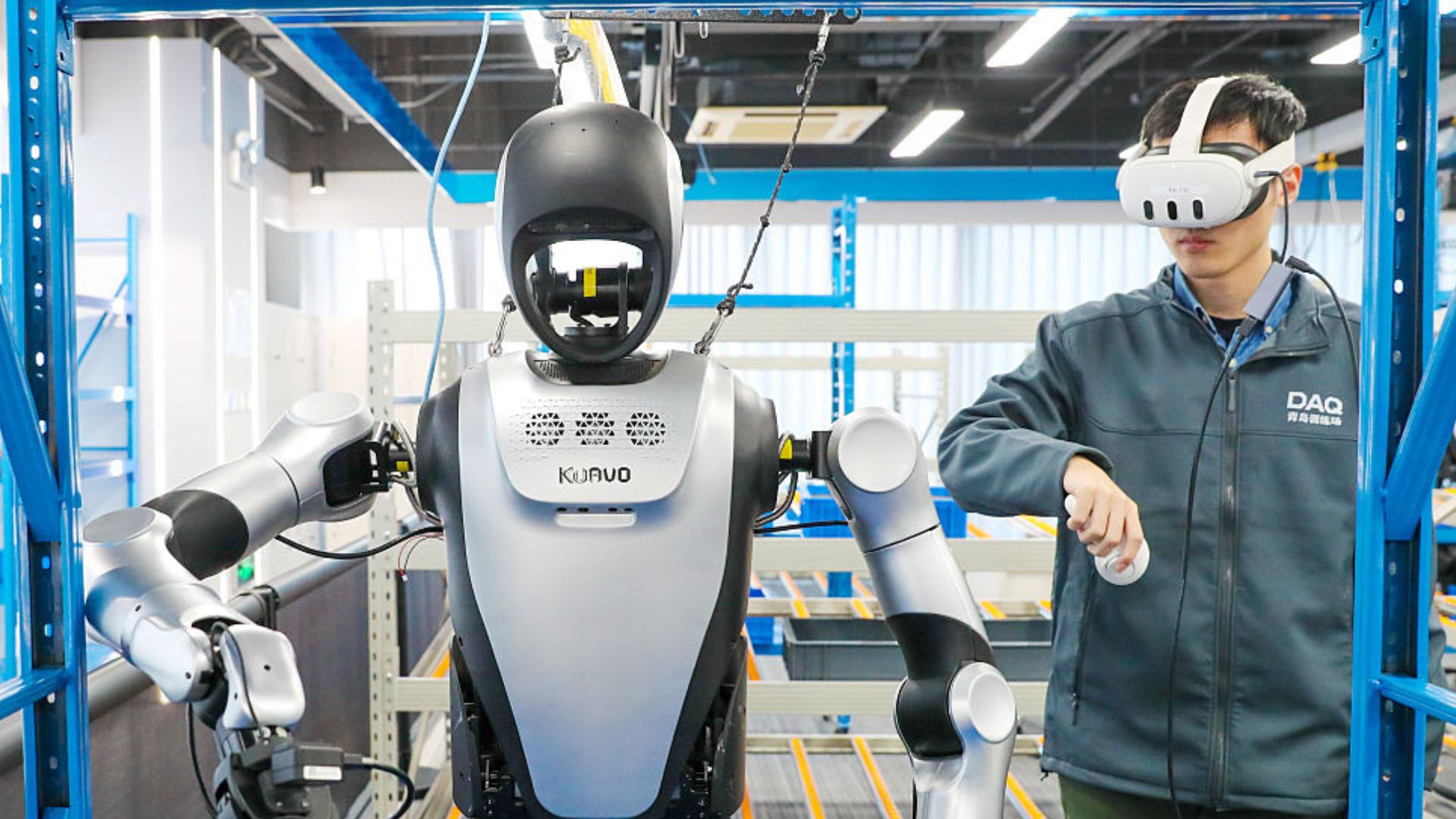
GuoXing Aerospace Technology और Shanghai Jiao Tong University से चीनी दल द्वारा किए गए पहले सफल प्रदर्शन में, कक्षा में चल रहे कृत्रिम बुद्धिमत्ता inference का उपयोग करके जमीन-आधारित humanoid रोबोट को नियंत्रित किया जा रहा है — उपग्रह समूह पर voice commands को प्रोसेस करते हुए, real time में पृथ्वी को motion instructions भेज रहे हैं।
तकनीकी सेटअप एक रिले chain के रूप में काम करता है: एक मानव ऑपरेटर जमीन पर voice command जारी करता है। वह command GuoXing के low Earth orbit उपग्रह constellation को प्रसारित किया जाता है, जहां Alibaba का Qwen3 large language model — उपग्रहों पर radiation-shielded computing hardware पर चलते हुए — command को process करता है और motion instructions उत्पन्न करता है। उन instructions को पृथ्वी को भेज दिया जाता है, जहां OpenClaw नामक open-source AI agent उन्हें रोबोट की physical movements में अनुवाद करता है।
यह महत्वपूर्ण क्यों है
यह प्रदर्शन कई परस्पर संबंधित कारणों से महत्वपूर्ण है। सबसे पहले, यह मान्य करता है कि complex AI inference — केवल data relay नहीं, बल्कि actual computation — orbital hardware पर विश्वसनीयता से चल सकता है, जो space के thermal, radiation, और vibration environment के संपर्क में है। Orbital में large language model चलाना orbital systems द्वारा पहले handle किए गए relatively simple computation से qualitatively भिन्न उपलब्धि है।
दूसरा, यह दूरस्थ वातावरण में स्वायत्त प्रणालियों को तैनात करने की सबसे व्यथित समस्या का एक संभावित समाधान प्रदर्शित करता है: network connectivity। स्वायत्त robots, drones, और vehicles जो disaster zones, remote wilderness, deep ocean वातावरण, या conflict areas में काम करते हैं, वे अक्सर terrestrial networks तक पहुंच खो देते हैं, जो cloud-based AI systems के लिए आवश्यक है। Space-based inference इस निर्भरता को समाप्त करता है — जब तक एक स्वायत्त system किसी उपग्रह से संचार कर सकता है, तब तक यह स्थानीय infrastructure की परवाह किए बिना AI reasoning capabilities तक पहुंच सकता है।

पार की गई तकनीकी चुनौतियां
Space में AI computing hardware को संचालित करना जमीन पर इसे संचालित करने से significantly कठिन है। Solar radiation और cosmic rays semiconductor devices में bit-flip errors का कारण बनते हैं, जो ground-based systems को manage कर सकते हैं, लेकिन orbit में अधिक challenging बन जाते हैं। Thermal environment भी extreme है — AI chips substantial heat उत्पन्न करते हैं जो जमीन पर fans और liquid cooling द्वारा हटाया जाता है, लेकिन space में केवल radiation द्वारा dissipated किया जाना चाहिए।
GuoXing के approach में orbital environment के लिए विशेष रूप से designed shielded computing hardware शामिल है, संभवतः radiation-hardened components और thermal management designs का उपयोग करते हुए जो reliability के बदले में lower absolute performance को स्वीकार करते हैं। यह तथ्य कि Qwen3 real-time robot control के लिए पर्याप्त speed पर inference tasks चला सकता है, यह सुझाव देता है कि ये engineering challenges को practical level पर solve किया जा चुका है।
Constellation और Vision
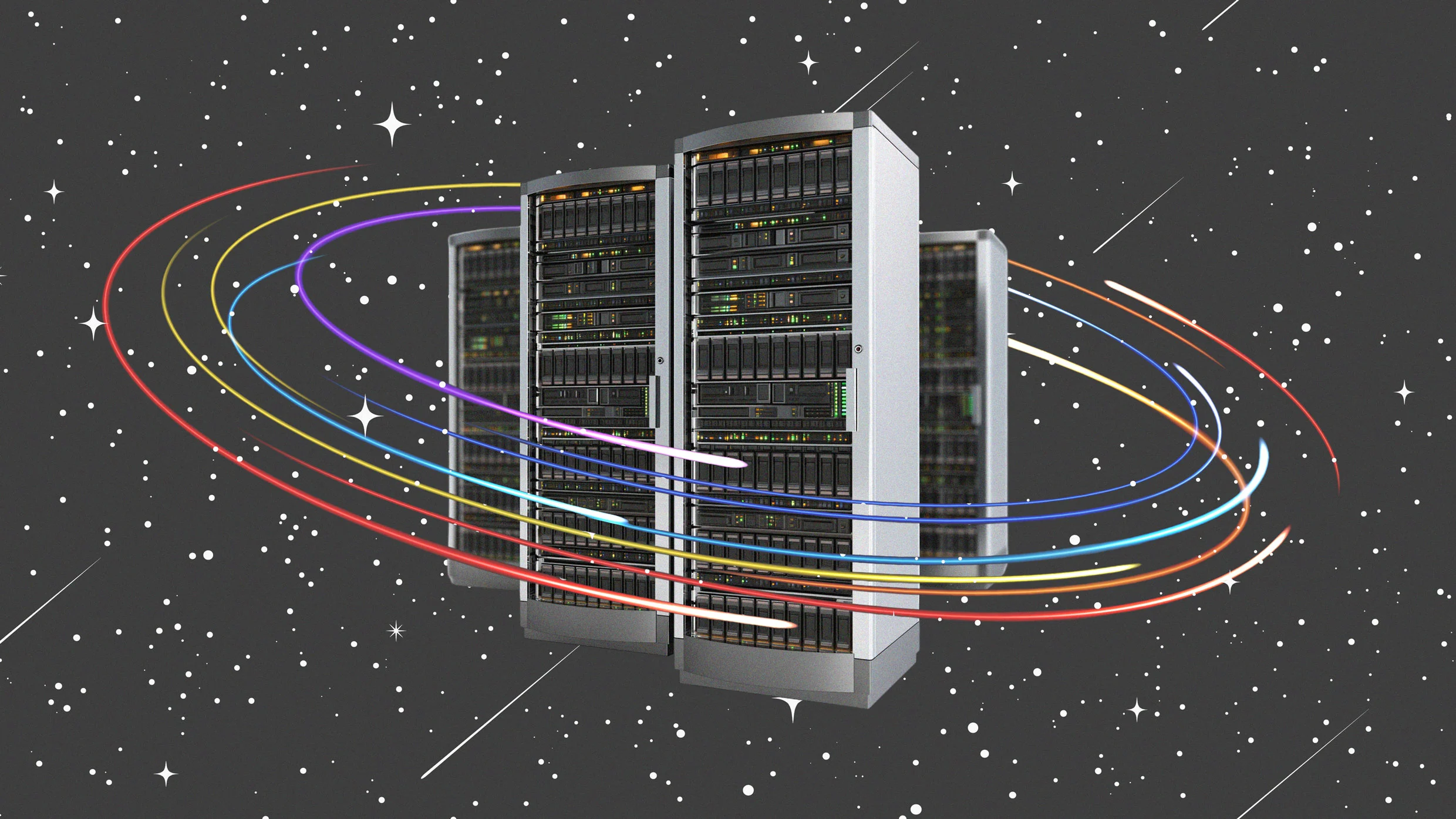
GuoXing ने पहले से 12 satellites तैनात किए हैं और 2026 में दो additional clusters launch करने की योजना बनाई है, जिसका 2030 तक 1,000 satellites का लक्ष्य है। उनकी long-term vision एक 2,800-satellite network का describe करती है, जिसे 2035 तक inference satellites और training satellites के बीच विभाजित किया गया है — global scale पर AI computation के लिए एक dedicated orbital infrastructure।
यह ambition को significant engineering और economic challenges का सामना करना पड़ता है, लेकिन underlying logic sound है: जैसे-जैसे autonomous systems पृथ्वी पर हर environment में proliferate होते हैं, यह assumption कि reliable ground networks हमेशा available होंगे, increasingly problematic हो जाता है। एक orbital AI infrastructure एक fallback प्रदान करता है जो किसी भी country के communication infrastructure पर निर्भर नहीं करता।
चीन की broader technology ambitions के लिए, space-based AI inference दो domains का एक convergence represent करता है जहां देश rapidly advances कर रहा है: large language model development और commercial space launch capability। Humanoid robot demonstration एक visible proof point है एक strategy के लिए जो, अगर सफल हो, China-based operators को global autonomous systems markets में एक unique capability दे सकती है।
यह article Interesting Engineering की reporting पर आधारित है। मूल article पढ़ें.
Originally published on interestingengineering.com