लाइट्स-आउट वेयरहाउस अब भी वास्तविकता से अधिक एक रोडमैप बना हुआ है
सालों से, पूरी तरह स्वायत्त वेयरहाउस का विचार रोबोटिक्स के सबसे टिकाऊ वादों में से एक रहा है। इसकी प्रस्तुति साफ़ है: रोबोट सब कुछ संभालते हैं, सुविधाएं चौबीसों घंटे चलती हैं, और मानवीय भागीदारी न्यूनतम रह जाती है। लेकिन अगर वेयरहाउस रोबोटिक्स कंपनी ब्राइटपिक की हालिया दलीलें कोई संकेत हैं, तो उस परिणाम तक पहुंचने का रास्ता एक नाटकीय छलांग से कम और अपवाद मामलों के अनुशासित संकुचन से अधिक है।
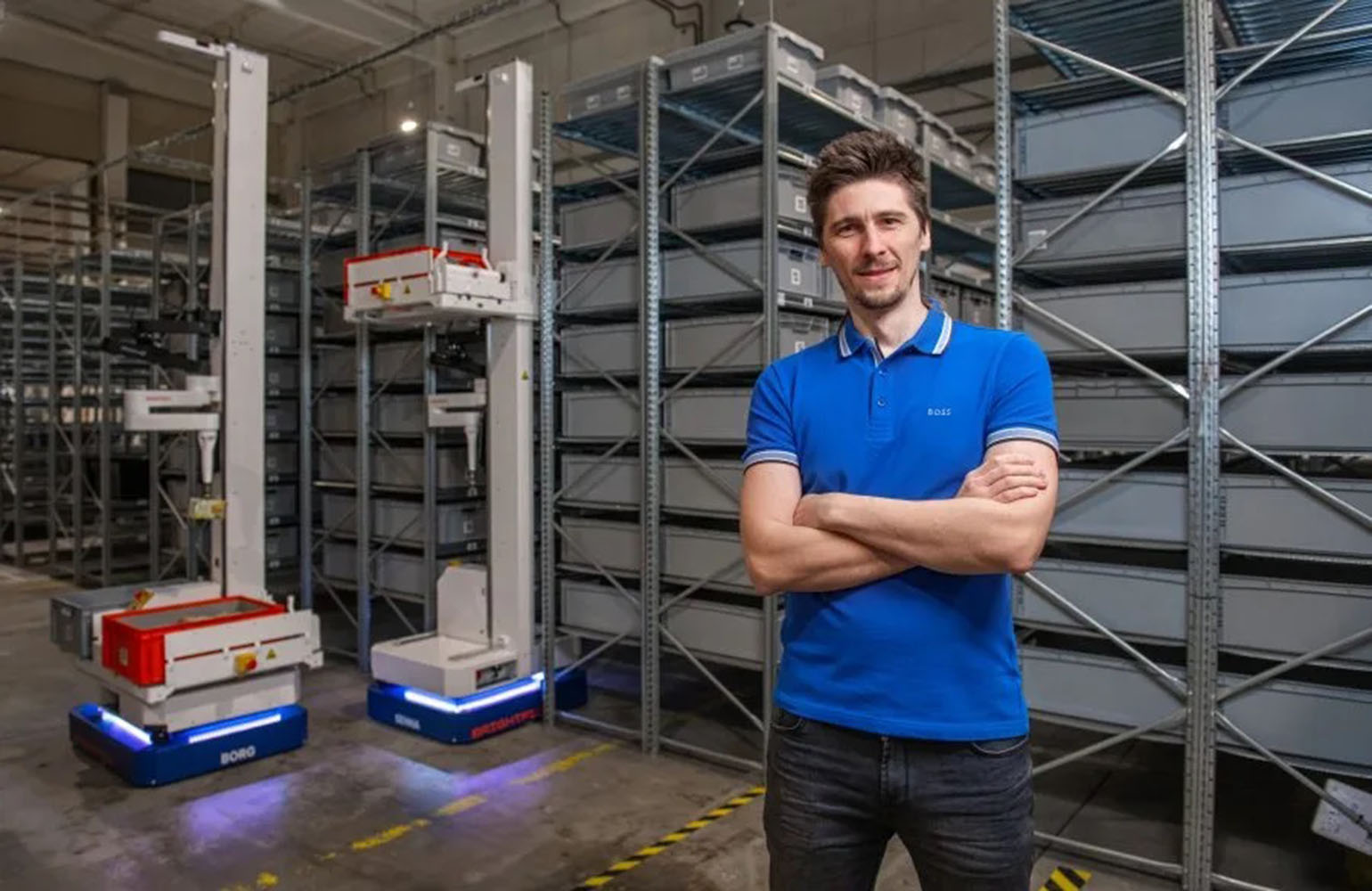
ब्राइटपिक के सह-संस्थापक और मुख्य कार्यकारी जन ज़िज़का इस महीने के अंत में बोस्टन में होने वाले Robotics Summit & Expo में यही दृष्टिकोण प्रस्तुत करने वाले हैं, जहां वे कंपनी के अनुसार लाइट्स-आउट संचालन की ओर एक व्यावहारिक रोडमैप बताएंगे। यह प्रस्तुति महत्वपूर्ण है, क्योंकि यह रोबोटिक्स मार्केटिंग में लंबे समय से चली आ रही उस प्रवृत्ति का प्रतिवाद करती है जो पूर्ण स्वायत्तता को सशर्त होने के बजाय आसन्न मानती है।
कंपनी की स्थिति, जैसा कि The Robot Report में वर्णित है, के अनुसार आज का सबसे प्रभावी संचालन मॉडल श्रम का पूर्ण प्रतिस्थापन नहीं, बल्कि हाइब्रिड ऑटोमेशन है। इस मॉडल में रोबोट अधिकांश दोहराव वाले काम करते हैं, जबकि अपवाद, चरम मांग, या निर्णय-प्रधान कार्यों के समय मनुष्य हस्तक्षेप करते हैं।
हाइब्रिड सिस्टम आगे क्यों हैं
यह तर्क वेयरहाउस ऑटोमेशन की वास्तविक अर्थशास्त्र को उसकी किंवदंती से अधिक प्रतिबिंबित करता है। वेयरहाउस में कई गतिविधियां पूर्वानुमेय, बार-बार होने वाली और अच्छी तरह संरचित होती हैं। यही वे काम हैं जिन्हें रोबोट सबसे प्रभावी ढंग से संभाल सकते हैं। लेकिन कार्यों का एक छोटा हिस्सा अनियमित, अस्पष्ट, या मानकीकृत करने में कठिन हो सकता है। इन्हीं पर अनुपातहीन इंजीनियरिंग प्रयास लगते हैं।
रिपोर्ट में संक्षेपित ब्राइटपिक का दृष्टिकोण यह है कि वर्कफ़्लो के अंतिम 10% से 20% को स्वचालित करना ही वह जगह है जहां जटिलता और लागत तेज़ी से बढ़ती है। काम का यह अंतिम हिस्सा उन edge cases को समेटता है: असामान्य वस्तुएं, अप्रत्याशित परिस्थितियां, ऑर्डर प्रवाह में अपवाद, या वे तरह के निर्णय जिन्हें मनुष्य अब भी अधिक लचीले ढंग से हल करते हैं।
ऑटोमेशन में यह एक परिचित पैटर्न है। शून्य से आंशिक स्वायत्तता तक पहुंचना बड़े लाभ दे सकता है। लेकिन उच्च ऑटोमेशन से लगभग-पूर्ण स्वायत्तता तक पहुंचने के लिए अक्सर बहुत अधिक पूंजी और सिस्टम परिष्करण की आवश्यकता होती है, जबकि अतिरिक्त लाभ अपेक्षाकृत छोटा होता है। व्यवहार में, मूल्य का प्रश्न तकनीकी प्रश्न जितना ही महत्वपूर्ण हो जाता है।
इसीलिए ब्राइटपिक का तर्क है कि समझदार ऑपरेटरों को वहीं ऑटोमेशन पर ध्यान देना चाहिए जहां निवेश पर प्रतिफल सबसे मजबूत हो। पहले दिन से पूरी तरह मानव-रहित सुविधा पर ज़ोर देने के बजाय, कंपनियां संचालन के दोहराव वाले मूल हिस्से को स्वचालित कर सकती हैं, जहां सबसे ज़रूरी हो वहां मानवीय लचीलापन बनाए रख सकती हैं, और समय के साथ अपवादों के दायरे को कम कर सकती हैं।
कुछ सेटिंग्स में आंशिक लाइट्स-आउट पहले से संभव है
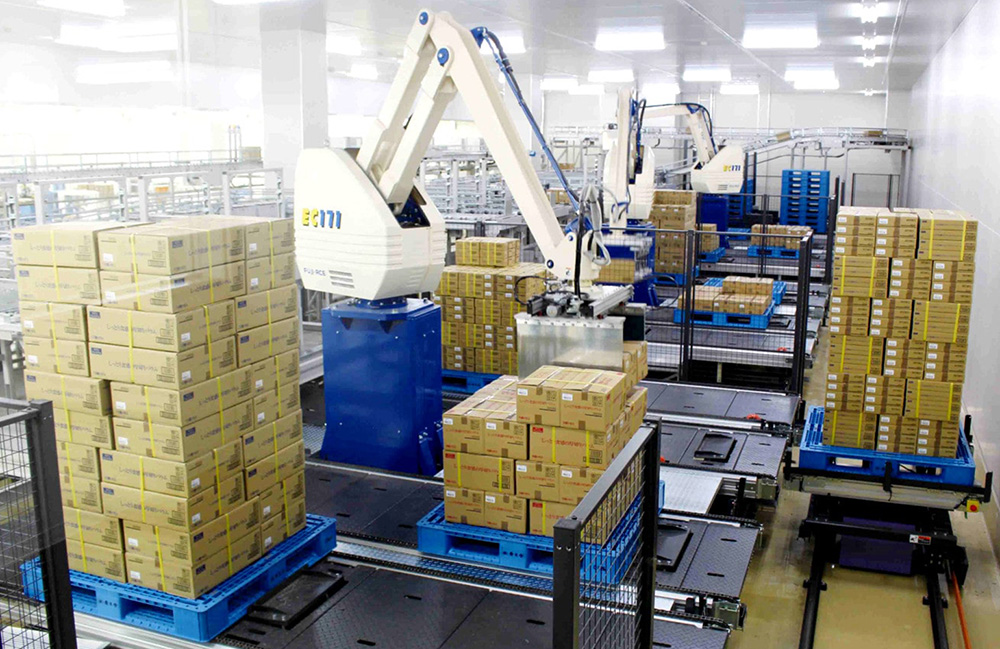
कंपनी की स्थिति यह नहीं है कि लाइट्स-आउट वेयरहाउसिंग एक कल्पना है। बात यह है कि यह अवधारणा पहले से ही विशिष्ट वर्कफ़्लो और परिवेशों में, खासकर चयनात्मक रूप से लागू होने पर, व्यवहार्य है। The Robot Report के अनुसार आंशिक लाइट्स-आउट संचालन में बिना निगरानी वाली रात की शिफ्टें शामिल हो सकती हैं, जबकि लोग दिन के चरम समय और अपवादों को संभालते हैं।
यह एक महत्वपूर्ण अंतर है। यह सुझाता है कि स्वायत्तता पहले एक समय-सारणी रणनीति के रूप में बढ़ सकती है, न कि एक पूर्ण संचालन अवस्था के रूप में। यदि रोबोट कम जटिलता वाले समय में प्रक्रियाओं को आगे बढ़ाए रख सकते हैं, तो ऑपरेटर कठिन पूर्णकालिक edge-case automation में पूरी तरह झुके बिना श्रम और throughput लाभ हासिल कर सकते हैं।
दूसरे शब्दों में, निकट भविष्य का वेयरहाउस हर समय पूरी तरह अंधेरा नहीं हो सकता। इसके बजाय यह मोड के बीच बदल सकता है, जहां स्थिर अवधियों को ऑटोमेशन कवर करेगा और परिवर्तनशीलता बढ़ने पर मनुष्य हस्तक्षेप करेंगे। यह क्लासिक लाइट्स-आउट कथा की तुलना में कम नाटकीय दृष्टि है, लेकिन शायद अधिक विश्वसनीय भी।
ब्राइटपिक का बिज़नेस केस व्यापक बाज़ार को दर्शाता है
रिपोर्ट ब्राइटपिक के बारे में कुछ अतिरिक्त संदर्भ भी देती है। कंपनी, जो 2021 में मशीन-विज़न प्रदाता Photoneo से अलग हुई थी, कहती है कि उसके AI रोबोट ऑर्डर पिकिंग, buffering, consolidation, dispatch, और stock replenishment को स्वचालित कर सकते हैं। यह भी कहा गया है कि उसके Autopicker सिस्टम हफ्तों में तैनात किए जा सकते हैं और वेयरहाउस ऑपरेटरों को श्रम की आवश्यकता कम रखने में मदद कर सकते हैं।
ये दावे रोबोटिक्स के बड़े बाज़ार पैटर्न से मेल खाते हैं, जहां कंपनियां मानव कार्य के सार्वभौमिक विकल्प के बजाय बढ़ते हुए मॉड्यूलर संचालन खंडों में ऑटोमेशन बेचती हैं। ऑर्डर पिकिंग और रीप्लेनिशमेंट आकर्षक लक्ष्य हैं क्योंकि वे श्रम-प्रधान और दोहराव वाले हैं, फिर भी मशीन विज़न और मोबाइल मैनिपुलेशन से लाभ उठाने के लिए पर्याप्त संरचित हैं।
रिपोर्ट में प्रस्तुत ज़िज़का की पृष्ठभूमि भी तकनीकी फ्रेमिंग को मज़बूत करती है। ब्राइटपिक से पहले, उन्होंने Photoneo की सह-स्थापना की थी, जिसे 2024 में Zebra Technologies ने अधिग्रहित किया। बताया गया है कि उनके पास 3D sensing, mobile robotics, और संबंधित क्षेत्रों में फैले 20 से अधिक पेटेंट हैं। यह कंपनी की थीसिस को साबित नहीं करता, लेकिन यह समझाता है कि ब्राइटपिक प्रचारात्मक संदेश के बजाय इंजीनियरिंग और अर्थशास्त्र के तर्क पर क्यों ज़ोर दे रही है।
असल दौड़ पहले पूर्ण स्वायत्तता तक पहुंचने की नहीं है
ब्राइटपिक के संदेश की अधिक उपयोगी व्याख्या यह है कि वेयरहाउस रोबोटिक्स परिपक्वता के चरण में प्रवेश कर रहा है। प्रतिस्पर्धी सवाल अब शायद यह नहीं है कि कौन सा विक्रेता पूर्ण स्वायत्तता के बारे में सबसे साहसी वादा कर सकता है। सवाल यह हो सकता है कि कौन सा विक्रेता अभी स्वचालित करने के लिए काम के सबसे मूल्यवान उपसमुच्चय की पहचान कर सकता है, जबकि ऐसे सिस्टम बना रहा है जो समय के साथ अधिक अपवादों को धीरे-धीरे समेट लें।
यह पूरी तरह अंधेरे वेयरहाउस की तुलना में कम सिनेमाई कहानी है, लेकिन यह इस बात से बेहतर मेल खाती है कि औद्योगिक तकनीक आमतौर पर कैसे फैलती है। ब्रेकथ्रू महत्वपूर्ण होते हैं, लेकिन उनका मुद्रीकरण अक्सर चरणबद्ध अपनाने, सीमित उपयोग मामलों, और संचालन अनुशासन के माध्यम से होता है।
Robotics Summit की प्रस्तुति फिलहाल बस एक प्रस्तुति ही है। यह न तो कोई उत्पाद लॉन्च है और न ही स्वतंत्र सत्यापन अध्ययन। फिर भी अंतर्निहित दावा देखने लायक है, क्योंकि यह बताता है कि वेयरहाउस रोबोटिक्स किस दिशा में बढ़ रहा है: तुरंत पूर्णता की ओर नहीं, बल्कि लगातार अधिक सक्षम हाइब्रिड सिस्टम की ओर, जो वहां स्वायत्त संचालन बढ़ाते हैं जहां अर्थशास्त्र इसे स्पष्ट रूप से उचित ठहराता है।
अगर यह तर्क सही साबित होता है, तो वेयरहाउस कार्य का आख़िरी 20% आने वाले दशक में ऑटोमेशन को पहले 80% से ज़्यादा परिभाषित कर सकता है। जीतने वाली कंपनियां सिर्फ ऐसे रोबोट नहीं बनाएंगी जो काम करें। वे ऐसे तैनाती मॉडल बनाएंगी जो ठीक-ठीक जानते हों कि कब यह दिखावा नहीं करना है कि इंसान अभी पूरी तरह गायब हो चुका है।
- ब्राइटपिक का कहना है कि हाइब्रिड ऑटोमेशन आज का सबसे व्यावहारिक वेयरहाउस मॉडल है।
- कंपनी के अनुसार ऑटोमेशन का अंतिम 10% से 20% हिस्सा अनुपातहीन रूप से कठिन और महंगा है।
- आंशिक लाइट्स-आउट संचालन, जैसे बिना निगरानी वाली रात की शिफ्टें, निकट अवधि का अधिक यथार्थवादी रास्ता हो सकता है।
यह लेख The Robot Report की रिपोर्टिंग पर आधारित है। मूल लेख पढ़ें.
Originally published on therobotreport.com
