Nyobolt ने रोबोटिक्स में पावर की बाधा को निशाना बनाया
Nyobolt ने स्वायत्त मशीनों के लिए तैयार बैटरी सिस्टम्स के विकास को तेज़ करने के लिए $60 मिलियन जुटाए हैं। कंपनी का कहना है कि पारंपरिक पावर तकनीक बड़े रोबोट बेड़ों की जरूरतों के साथ तालमेल नहीं बिठा पा रही है। कंपनी ने 8 मई, 2026 को इस फाइनेंसिंग की घोषणा की, और कहा कि नई पूंजी उसे रोबोटिक्स और अन्य फिजिकल AI अनुप्रयोगों के लिए एक तेज़-चार्जिंग, उच्च-दक्षता वाला प्लेटफॉर्म बढ़ाने में मदद करेगी।
तर्क सीधा है। जैसे-जैसे अधिक मोबाइल रोबोट गोदामों, फैक्ट्रियों, अस्पतालों और अंततः सार्वजनिक वातावरणों में प्रवेश कर रहे हैं, ऊर्जा अवसंरचना एक मुख्य परिचालन बाधा बन जाती है। जो रोबोट अधिक समय तक काम कर सके, तेज़ी से रिचार्ज हो सके, और बार-बार बैटरी बदलने की जरूरत से बचे, वह केवल अधिक सुविधाजनक नहीं होता। वह अर्थशास्त्र, अपटाइम और तैनाती घनत्व को भी ठोस रूप से बदल सकता है। Nyobolt खुद को उसी लाभ-बिंदु पर स्थापित करने की कोशिश कर रहा है।
कंपनी ने कहा कि यह फंडिंग राउंड उसे $1 बिलियन से अधिक के मूल्यांकन पर रखता है और यह उसके मजबूत वाणिज्यिक विकास की अवधि के बाद आया है, जिसमें राजस्व साल-दर-साल पांच गुना बढ़ा। Symbotic ने इस निवेश का नेतृत्व किया, और IQ Capital, Latitude, Scania Invest, तथा CBMM ने भाग लिया। यह निवेशक मिश्रण उल्लेखनीय है क्योंकि यह केवल Nyobolt को एक सामान्य बैटरी स्टार्टअप के रूप में नहीं, बल्कि रोबोटिक्स, औद्योगिक रुचि और मोबिलिटी प्रासंगिकता के संगम के रूप में देखता है।
रोबोट पावर सिस्टम्स अब पहले से अधिक महत्वपूर्ण क्यों हैं
मोबाइल रोबोटिक्स में बैटरी प्रदर्शन हमेशा महत्वपूर्ण रहा है, लेकिन जैसे-जैसे बेड़े बड़े होते हैं और कार्यभार तीव्र होता है, इसका महत्व और बढ़ जाता है। शुरुआती तैनातियाँ अधिक परिचालन वर्कअराउंड सहन कर सकती थीं: चार्जिंग विराम, अतिरिक्त बैटरी पैक, या ऐसे अनुप्रयोग प्रतिबंध जो ड्यूटी साइकिल कम कर देते थे। बड़े पैमाने पर ये अक्षमताएँ बढ़ जाती हैं। डाउनटाइम, पावर अस्थिरता और रखरखाव में रुकावटें गंभीर लागत में बदल सकती हैं।
Nyobolt का तर्क है कि फिजिकल AI सिस्टम्स को निरंतर, उच्च-तीव्रता संचालन के लिए डिज़ाइन की गई पावर आर्किटेक्चर चाहिए। कंपनी की भाषा में, स्वायत्त प्रणालियाँ लंबी चार्जिंग विंडो, बैटरी बदलने में देरी, या अविश्वसनीय पीक प्रदर्शन वहन नहीं कर सकतीं। यही कारण है कि उसकी संदेश-रणनीति केवल ऊर्जा घनत्व के बजाय टिकाऊपन, स्थिरता और तत्काल उपलब्धता पर ज़ोर देती है।
रोबोटिक्स क्षेत्र अब बैटरियों को पृष्ठभूमि घटक के बजाय एक रणनीतिक उप-प्रणाली के रूप में देख रहा है। एक बेहतर पावर प्लेटफॉर्म तेज़ वर्कफ़्लो, हल्के डिज़ाइन, या अधिक लचीले तैनाती शेड्यूल को सक्षम कर सकता है। यह बेड़ों को सक्रिय रखने के लिए आवश्यक चार्जिंग अवसंरचना की मात्रा भी कम कर सकता है। ऐसे लाभ विशेष रूप से उन वातावरणों में मूल्यवान हैं जहाँ हर वर्ग फुट और हर मिनट का अपटाइम मायने रखता है।
Symbotic उपयोग-केस इस घोषणा को महत्व देता है
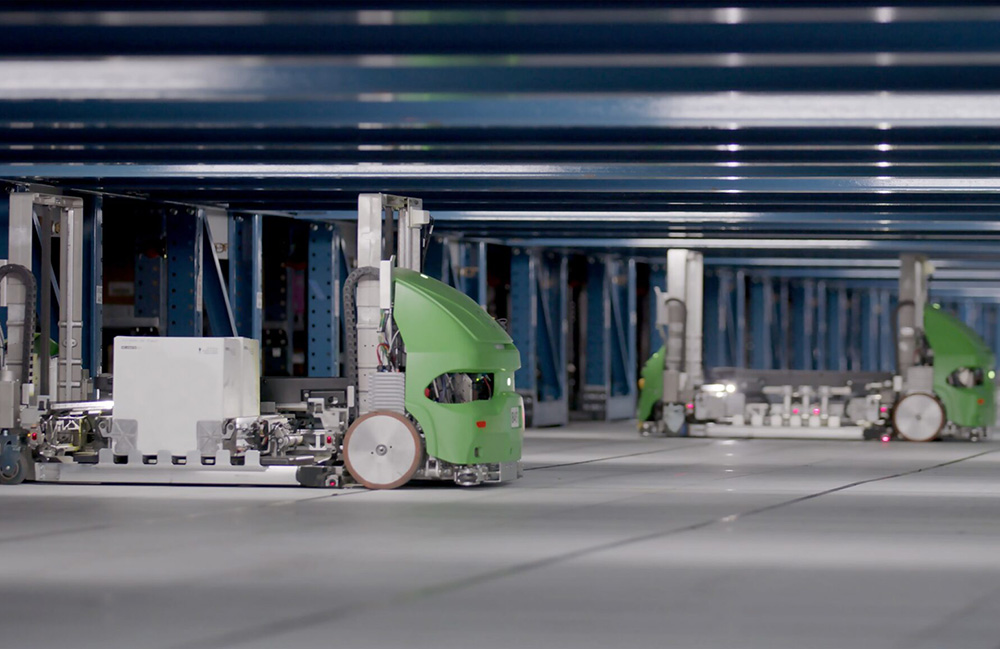
स्रोत रिपोर्ट में सबसे ठोस तैनाती उदाहरण Symbotic के SymBot स्वायत्त मोबाइल रोबोट्स से जुड़ा है। Nyobolt का कहना है कि उसकी बैटरी उन सिस्टम्स में पहले इस्तेमाल होने वाले अल्ट्राकैपेसिटर्स की तुलना में छह गुना अधिक ऊर्जा क्षमता देती है, जबकि वह 40% हल्की है। कंपनी यह भी कहती है कि यह प्लेटफॉर्म पारंपरिक लिथियम-आयन तकनीक की तुलना में कम से कम 10 गुना अधिक साइकिल लाइफ हासिल करता है, जिससे वेयरहाउस तैनातियों में 24/7 निरंतर संचालन संभव होता है।
यदि ये आँकड़े क्षेत्र में लगातार लागू होते हैं, तो वे औद्योगिक रोबोट संचालकों के अपटाइम और सिस्टम डिज़ाइन को देखने के तरीके में एक महत्वपूर्ण बदलाव का संकेत देते हैं। हल्के पैकेज में अधिक उपयोगी ऊर्जा प्रदर्शन सीमा को बेहतर कर सकती है और परिचालन समझौते की आवश्यकता कम कर सकती है। लंबी साइकिल लाइफ प्रतिस्थापन की आवृत्ति घटा सकती है और कुल स्वामित्व लागत में सुधार कर सकती है। मिलकर, ये कारक रोबोटिक बेड़ों की अर्थव्यवस्था में पावर सिस्टम्स को एक महत्वपूर्ण विभेदक बनाते हैं।
Symbotic के चीफ स्ट्रैटेजी ऑफिसर Bill Boyd ने कहा कि Nyobolt की तकनीक ग्राहकों के लिए बेहतर अपटाइम और दक्षता सक्षम करने वाली एक प्रमुख enabler है, और उन्होंने जिसे उन्होंने नई instant power category कहा, उसके व्यापक बाज़ार संभावित पर भरोसा जताया। यह समर्थन महत्वपूर्ण है क्योंकि Symbotic AI-सक्षम सप्लाई चेन रोबोटिक्स में सबसे प्रमुख नामों में से एक है। एक स्केल्ड तैनाती साझेदार का भरोसा, अकेले लैब-स्तरीय दावे की तुलना में अधिक वजन रखता है।
गोदामों से व्यापक फिजिकल AI अवसंरचना तक
Nyobolt का कहना है कि उसका वाणिज्यिक आकर्षण उन्नत रोबोटिक्स तैनातियों और AI डेटा सेंटर अवसंरचना दोनों में फैला है, जिससे संकेत मिलता है कि कंपनी केवल वेयरहाउस ऑटोमेशन तक सीमित एक बाजार नहीं देख रही। फिर भी, निकट-काल में रोबोटिक्स सबसे स्पष्ट उपयुक्तताओं में से एक दिखता है। विशेष रूप से, स्वायत्त मोबाइल रोबोट्स को चार्जिंग गति, टिकाऊपन और वजन में किसी भी सुधार से सीधे लाभ मिलता है।
कंपनी ने कहा कि उसकी तकनीक AMRs को फैक्ट्रियों और गोदामों से आगे बढ़कर अस्पतालों और शहर की सड़कों तक समर्थन देने के लिए बनाई गई है। यह एक महत्वाकांक्षी रूपरेखा है, लेकिन यह एक महत्वपूर्ण दिशा बताती है: रोबोट ऐसे वातावरणों में प्रवेश कर रहे हैं जहाँ डाउनटाइम को शेड्यूल करना कठिन होता है और सेवा निरंतरता अधिक मायने रखती है। ऐसे संदर्भों में, पावर सिस्टम्स आंतरिक इंजीनियरिंग विवरण नहीं रह जाते; वे सेवा विश्वसनीयता का दृश्य हिस्सा बन जाते हैं।
यह फाइनेंसिंग फिजिकल AI के आसपास व्यापक निवेशक दृष्टिकोण को भी दर्शाती है। यदि AI तेजी से ऐसी मशीनों में साकार हो रहा है जो चलती हैं, उठाती हैं, निरीक्षण करती हैं और परिवहन करती हैं, तो सक्षम करने वाला स्टैक केवल सॉफ्टवेयर और मॉडलों से नहीं बनता। इसमें बैटरियाँ, चार्जिंग सिस्टम, सेंसर, कनेक्टिविटी, और रग्डाइज्ड कंप्यूट भी शामिल हैं। Nyobolt यह तर्क दे रहा है कि उस स्टैक में ऊर्जा प्रदर्शन एक प्रमुख अवरोधक परत है।
रोबोटिक्स प्रतिस्पर्धा के अगले चरण का संकेत
Nyobolt के फंडिंग राउंड से सबसे बड़ा निष्कर्ष यह है कि रोबोटिक्स प्रतिस्पर्धा अब स्वायत्तता एल्गोरिद्म से आगे बढ़कर उन अवसंरचना घटकों तक फैल रही है जो तय करते हैं कि मशीनें वास्तविक दुनिया में लगातार काम कर सकती हैं या नहीं। बेहतर पाथ प्लानिंग महत्वपूर्ण है। बेहतर मैनिपुलेशन भी महत्वपूर्ण है। लेकिन अगर रोबोट बहुत अधिक समय निष्क्रिय या असुविधाजनक चार्जिंग चक्रों से बंधे रहते हैं, तो इनमें से कोई भी चीज़ अच्छी तरह स्केल नहीं करती।
Nyobolt की नई पूंजी उसे इस बढ़त को आगे बढ़ाने के लिए अधिक गुंजाइश देती है। क्या कंपनी शुरुआती मजबूत गति को व्यापक बाज़ार नेतृत्व में बदल सकेगी, यह तैनाती परिणामों, विनिर्माण निष्पादन, और विभिन्न उपयोग मामलों में उसके प्रदर्शन दावों के टिके रहने पर निर्भर करेगा। लेकिन दिशा स्पष्ट है। निवेशक और औद्योगिक साझेदार तेजी से पावर तकनीक को बड़े स्वायत्त बेड़ों की व्यवहार्यता के केंद्र में देख रहे हैं।
यह इसे केवल बैटरी फंडिंग की कहानी से अधिक बनाता है। यह इस बात का संकेत है कि फिजिकल AI अर्थव्यवस्था में ऊर्जा प्रणालियाँ प्रतिस्पर्धी केंद्र का हिस्सा बन रही हैं।
यह लेख The Robot Report की रिपोर्टिंग पर आधारित है। मूल लेख पढ़ें.
Originally published on therobotreport.com