असंरचित कार्य के लिए लक्षित साझेदारी
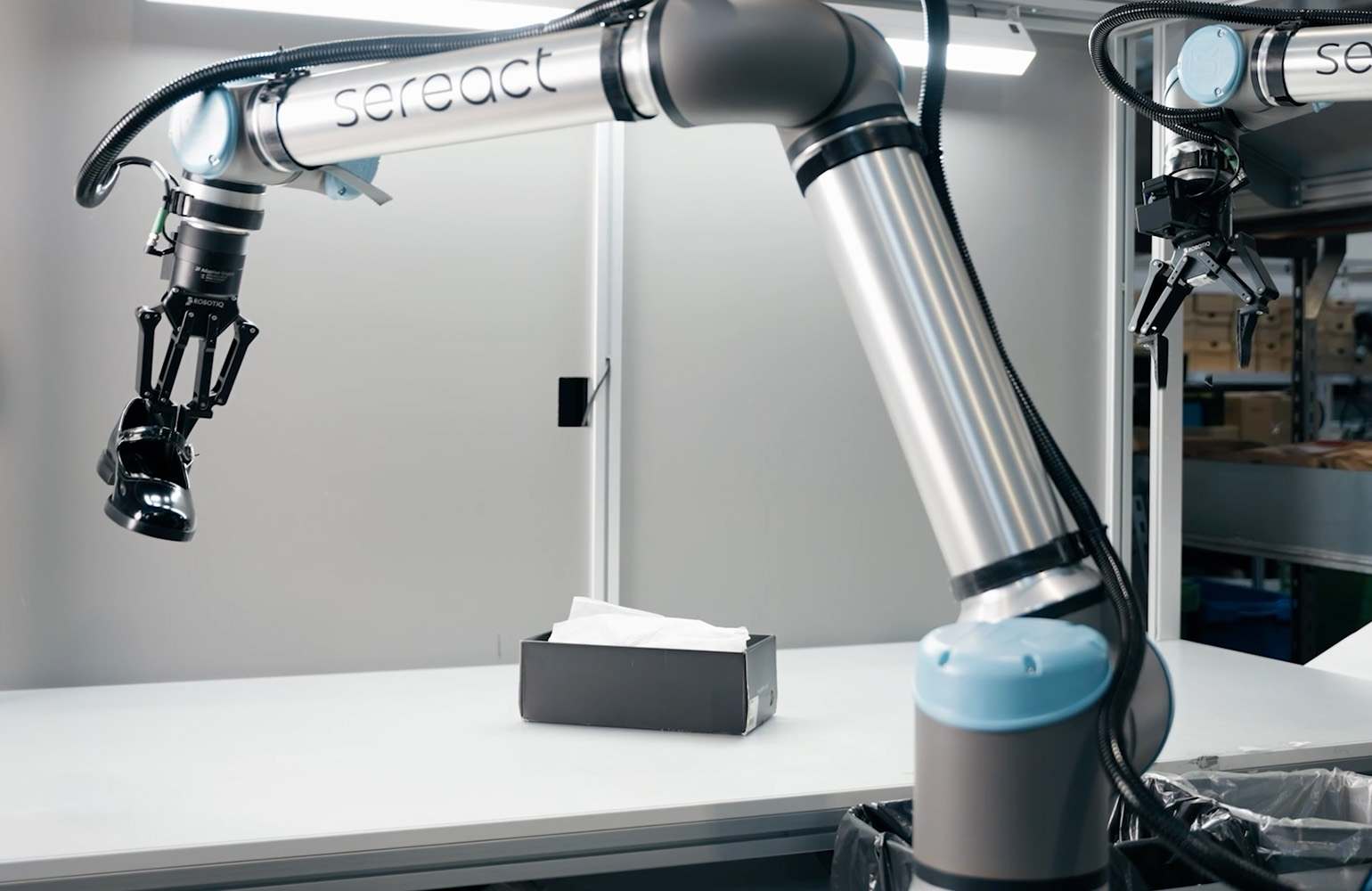
Teradyne Robotics और Sereact ने retail, logistics और manufacturing के लिए industrial artificial-intelligence systems का विस्तार करने हेतु साझेदारी की है। कंपनियां Sereact के Cortex physical AI platform को Universal Robots के robot arms के साथ जोड़ रही हैं। Universal Robots, Teradyne Robotics की एक कंपनी है। इस संयोजन का उद्देश्य returns handling और piece picking सहित विभिन्न कार्यों को स्वचालित करना है।
यह घोषणा NVIDIA GTC Berlin 2026 में की गई। इसके साथ एक उल्लेखनीय operational claim भी है: कंपनियों का कहना है कि उन्होंने यूरोप में live customer sites पर dual-arm systems के रूप में Universal Robots की सैकड़ों units पहले ही भेज दी हैं। जर्मनी और पोलैंड के Zalando fulfillment centers में इन संयुक्त systems का उपयोग लौटाए गए fashion items को स्वायत्त रूप से process करने के लिए किया जा रहा है।
ध्यान किसी एक tightly controlled factory task पर नहीं है। यह mixed goods, unknown items और varied packaging वाले कार्यों से जुड़ा है—ऐसी परिस्थितियां warehouses और retail supply chains में आम हैं, लेकिन predictable parts और fixed layouts के आधार पर तैयार की गई conventional automation के लिए कठिन हैं।
विभिन्न applications के लिए एक software platform
Sereact ऐसा software विकसित करती है, जिसका उद्देश्य robots को उन objects की पहचान करने, उन्हें पकड़ने और संभालने में मदद करना है, जिनसे उनका पहले सामना नहीं हुआ। इस साझेदारी के माध्यम से उसका Cortex platform Universal Robots arms पर चलता है। कंपनियों का कहना है कि यह system piece picking और sortation, order induction, machine tending, bin consolidation, kitting, packing और व्यापक goods handling को support कर सकता है।
Sereact के co-founder और chief executive Ralf Gulde ने Cortex को एक production model बताया, जिसे प्रत्येक item या task के लिए अलग model की आवश्यकता के बजाय कई applications में काम करने के लिए तैयार किया गया है। कंपनी के अनुसार, इसी system का उपयोग returns, replenishment और kitting के लिए किया जा सकता है, जबकि एक robot से प्राप्त learning दूसरे robots के लिए भी उपयोगी हो सकती है।
Partners द्वारा इस्तेमाल किए जाने वाले “physical AI” label के पीछे यही केंद्रीय promise है। लक्ष्य केवल किसी industrial arm में machine-learning software जोड़ना नहीं है। उद्देश्य machines के पूरे fleet को बदलते physical environments को perceive और handle करने की साझा क्षमता देना है, ताकि deployments किसी demonstration या narrowly configured pilot से आगे बढ़ सकें।
Logistics proving ground क्यों है
इस तरह के system के लिए returns processing और fulfillment उपयोगी tests हैं, क्योंकि work cell में आने वाली objects में काफी विविधता हो सकती है। Items अपरिचित हो सकते हैं, अलग-अलग तरीके से packed हो सकते हैं या अन्य goods के साथ mixed हो सकते हैं। Robotic system को केवल preprogrammed motion दोहराने से अधिक करना होता है; उसे यह पहचानना होता है कि सामने क्या है और उस समय काम करने वाली action चुननी होती है।
कंपनियों का कहना है कि उनका combined offering mixed goods, unknown items और varied packaging को संभालता है। यही वे परिस्थितियां हैं जिनमें robot hardware, perception software और deployment workflow को एक साथ काम करना पड़ता है। कोई arm तेजी और सटीकता से movement करने में सक्षम हो सकता है, लेकिन उसे अभी भी ऐसे software की जरूरत होती है जो यह तय कर सके कि किसी item तक कैसे पहुंचना है और grasp के सफल होने की संभावना है या नहीं।
Universal Robots इस साझेदारी में एक बड़ा installed industrial base लेकर आती है। Teradyne Robotics के chief commercial officer Jacob Pascual Pape ने कहा कि कंपनी के robots open, connected और 100,000 से अधिक industrial deployments के माध्यम से proven हैं। Sereact की भूमिका physical-AI layer उपलब्ध कराना है, जिसका उद्देश्य इन arms को traditional robot applications की तुलना में कम structured tasks तक विस्तारित करना है।
Europe से North America तक
कंपनियां इस साझेदारी का उपयोग व्यापक geographic deployment के लिए भी कर रही हैं। घोषणा के अनुसार, Sereact ने summer के दौरान Charlestown, Massachusetts में U.S. headquarters खोला। इस नई presence का उद्देश्य North America में demand को serve करने में मदद करना है, जबकि Teradyne एक global distribution और integrator network प्रदान करती है।
Industrial automation में यह channel महत्वपूर्ण है। Warehouse और manufacturing systems केवल इसलिए operational नहीं हो जाते क्योंकि कोई model lab में किसी object को पहचान सकता है। उन्हें facilities, processes और existing equipment के साथ integration की जरूरत होती है। Established robot platforms और integrator ecosystem वाला partner किसी software capability को customer trial से repeatable deployment तक ले जाने में मदद कर सकता है।
कंपनियां अपने existing installations को इस बात के evidence के रूप में प्रस्तुत करती हैं कि technology demo stage से आगे बढ़ चुकी है। उपलब्ध details performance, cost या reliability को independently quantify नहीं करतीं, और announcement यह specify नहीं करती कि कितने sites पर joint systems चल रहे हैं। फिर भी, reported European deployments एक concrete use case प्रदान करते हैं: Germany और Poland में Zalando facilities पर लौटाए गए fashion goods।
व्यापक industrial सवाल
Physical AI को increasingly ऐसे प्रयास के रूप में प्रस्तुत किया जा रहा है, जिसका उद्देश्य उन AI systems के बीच का gap कम करना है जो digital information को interpret करते हैं और उन machines के बीच जो real objects पर action करती हैं। Warehouse में relevant question केवल यह नहीं है कि software किसी item को label कर सकता है या नहीं। सवाल यह है कि combined system किसी live operation में उसे safely और consistently pick, sort, consolidate या pack कर सकता है या नहीं।
Teradyne Robotics और Sereact अपनी partnership को इसी gap के इर्द-गिर्द position कर रही हैं। Cortex को Universal Robots arms के साथ जोड़कर और returns से लेकर machine tending तक applications को target करके, वे यह दांव लगा रही हैं कि एक shared software model varied physical work के automation को अधिक scalable बना सकता है। इस claim का अगला measure यह होगा कि partnership के विस्तार के साथ production deployments कितने व्यापक और टिकाऊ साबित होते हैं।
यह article The Robot Report की reporting पर आधारित है। मूल article पढ़ें।
Originally published on therobotreport.com