Large study links obesity in early adulthood with higher cancer incidence
Obesity during the 20s and 30s was associated with a higher risk of developing cancer over the following decade in a large study of adults in Korea. The findings add to concern over early-onset cancers while underscoring an important limitation: the research identifies an association, not proof that obesity directly causes cancer.
The study, led by Dr. Jae-Seung Yun of The Catholic University of Korea in Seoul, followed more than 6 million adults aged 20 to 39 for roughly 10 years. Participants were healthy at the beginning of the study. The research was published October 27 in the Annals of Internal Medicine.
Among people classified as having a normal weight, 1.8% developed cancer within 10 years. That proportion was 2.2% among people with obesity and 2.6% among those with more severe obesity. The figures describe incidence in the study population; they should not be read as an individual prediction of cancer risk.
Abdominal fat was also associated with higher rates
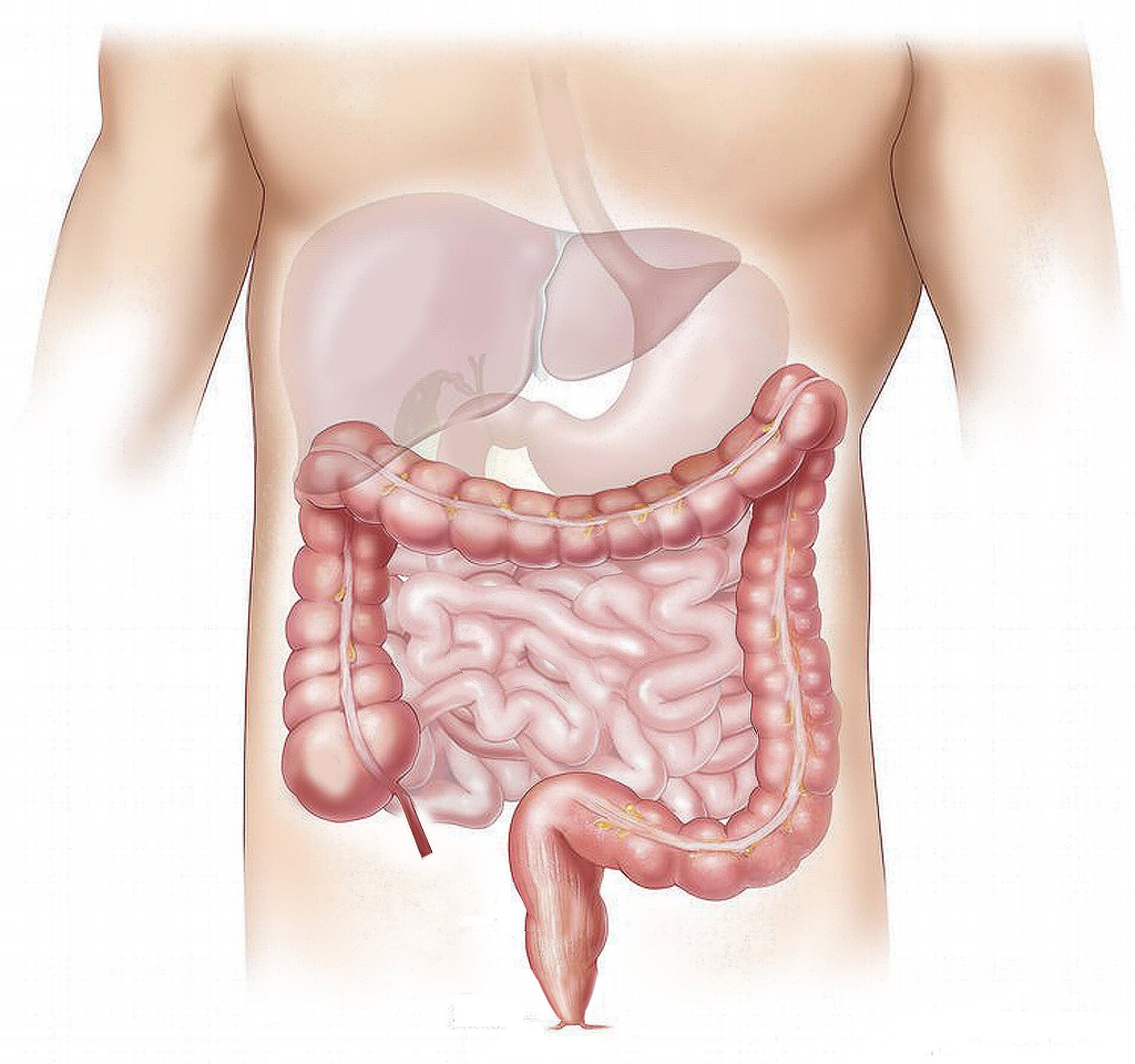
The analysis did not focus only on overall body weight. It also examined excess abdominal fat, often described as central obesity. Participants with excess abdominal fat had the highest cancer rates overall, according to the report.
That finding matters because it suggests that risk patterns may be connected to body-fat distribution as well as the weight categories used in large population studies. It does not, by itself, establish why those patterns appeared or which biological pathways may be involved.
The strongest reported links included thyroid, endometrial and ovarian cancers. The researchers did not find a statistically significant association with breast cancer in this analysis. The different results by cancer type are a reminder that “cancer” is not a single disease and that risk factors can vary substantially across conditions.

What the study can and cannot show
Its scale is a major strength. Following more than 6 million young adults over about a decade gives researchers a substantial base for comparing cancer incidence across weight and abdominal-fat measures. Starting with participants who were healthy also helps the study focus on later diagnoses rather than simply documenting illness already present at enrollment.
But the study was observational. The authors said it cannot demonstrate cause and effect, and they identified limitations that affect interpretation. In particular, they lacked detailed smoking data. Smoking is an important consideration in cancer research, and incomplete information about it can make it harder to separate the influence of different risk factors.
The source report also does not answer whether losing weight intentionally would reduce cancer risk. The researchers said more study is needed to determine that question. That distinction is important: an observed relationship between obesity and later cancer incidence does not automatically establish the outcome of a specific intervention.
Why early adulthood is drawing attention
Early adulthood is often treated as a period when serious chronic-disease risks remain distant. This study points in a different direction, suggesting that health patterns in the 20s and 30s can be relevant to cancer incidence within the next decade.
For public-health discussions, the practical message is not that weight alone determines a person’s future health. Rather, the study supports paying attention to weight management earlier in adulthood, when prevention efforts may have time to matter. Any personal decision about weight, cancer screening or treatment should be made with a qualified clinician, particularly because individual risk depends on far more than one measure.
Key takeaways
- The study followed more than 6 million Korean adults aged 20 to 39 for about 10 years.
- Ten-year cancer incidence was 1.8% in the normal-weight group, 2.2% among participants with obesity and 2.6% among those with more severe obesity.
- Excess abdominal fat was associated with the highest overall cancer rates.
- Thyroid, endometrial and ovarian cancers showed some of the strongest links reported in the study.
- The findings are observational and cannot prove that obesity causes cancer or that weight loss will reduce risk.
The study adds substantial population-level evidence to a growing focus on early-onset cancer. Its most useful contribution may be its clarity about both the signal and the uncertainty: obesity and abdominal fat in young adulthood were associated with higher cancer incidence, while the mechanisms and the effects of intervention require further research.
This article is based on reporting by Medical Xpress. Read the original article.
Originally published on medicalxpress.com