Decoding the Uterine Enigma: How Genetic Insights May Unlock Infertility's Mysteries
The promise of modern reproductive medicine remains frustratingly incomplete. Despite decades of refinement in assisted reproduction techniques, fertility specialists confront a sobering reality: even when transferring genetically sound embryos into the uterus, success rates hover around 50%. This persistent gap between scientific capability and clinical outcome points to a deeper puzzle hidden within the reproductive tract itself.
The challenge extends beyond simple embryo quality. When chromosomally normal embryos fail to establish pregnancy, the culprit often lies not with the developing organism but with its intended home. Approximately 30 to 35% of embryo transfer procedures result in implantation failure—a scenario where a viable embryo simply does not take root in the uterine lining. An additional portion of transfers progress to pregnancy only to end in miscarriage. This troubling pattern suggests that understanding the uterine environment has become essential to advancing fertility outcomes.
The Uterine Lining: A Critical Frontier in Reproductive Science
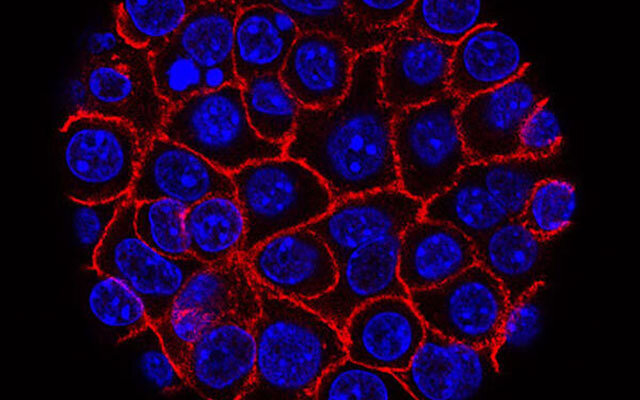
Recent research has begun illuminating the genetic landscape of uterine gland cells, structures that play a fundamental role in preparing the reproductive tract for embryo implantation. These specialized cells secrete crucial substances and create the biochemical conditions necessary for a developing embryo to successfully embed itself in the uterine wall. When these glands function optimally, they orchestrate a complex symphony of molecular signals. When dysfunction occurs, even the most genetically pristine embryo may find itself unable to establish the connections required for pregnancy.
The significance of this focus represents a meaningful shift in reproductive medicine. For years, the emphasis in assisted reproduction centered almost exclusively on embryo selection and transfer technique. While these factors remain important, mounting evidence suggests that the receptivity of the uterine environment deserves equal attention. Researchers investigating the genetic expression patterns within uterine gland cells are beginning to identify which genes activate during the implantation window—that narrow timeframe when the uterus becomes primed to accept an embryo.
Genetic Expression and Implantation Windows
The implantation window represents one of reproduction's most precisely timed biological events. During this period, typically occurring several days after ovulation, the uterine lining undergoes dramatic changes. Uterine gland cells activate specific genes that produce proteins and molecules essential for embryo attachment. These molecular signals essentially communicate to a potential embryo: "This is the moment and place where you may implant."
When scientists examine the genetic activity within these cells, they discover remarkable complexity. Different genes switch on and off in carefully orchestrated sequences. Some genes promote the production of adhesion molecules that help embryos attach to the uterine wall. Others regulate inflammation and immune responses, creating an environment that welcomes rather than rejects the developing organism. Still others control the secretion of nutrients and growth factors that sustain early embryonic development.
Variations in how these genes function could explain why some women experience recurrent implantation failure despite having chromosomally normal embryos. If uterine gland cells fail to express necessary genes at the appropriate time, or if they express inhibitory factors that prevent implantation, even a perfect embryo cannot succeed.
Implications for Personalized Fertility Treatment
Understanding the genetic basis of uterine receptivity opens possibilities for more targeted interventions. Rather than applying a one-size-fits-all approach to embryo transfer timing and preparation, fertility specialists might eventually customize protocols based on individual genetic profiles of uterine tissue. This personalized medicine approach could involve several strategies:
- Genetic testing of endometrial tissue to identify aberrant gene expression patterns before embryo transfer
- Development of targeted therapies designed to correct specific genetic dysfunctions in uterine gland cells
- Improved timing of embryo transfer based on individual patterns of gene activation rather than standardized protocols
- Identification of biomarkers that predict which patients face higher implantation failure risks
Bridging the Gap Between Embryo Quality and Uterine Receptivity
The current state of assisted reproduction reveals an incomplete picture. Embryologists have become remarkably skilled at identifying genetically normal embryos through preimplantation genetic testing. Yet this capability has not proportionally improved live birth rates, suggesting that embryo quality represents only part of the equation. The other critical variable—uterine receptivity—has received comparatively less attention and investigation.
By investigating the genetic mechanisms governing uterine gland cell function, researchers are beginning to address this imbalance. Early findings suggest that certain women may possess genetic variations affecting how their uterine cells prepare for pregnancy. These variations might not prevent conception entirely but could reduce the probability of successful implantation.
Looking Forward: A More Complete Understanding
As reproductive medicine continues evolving, the integration of uterine genetics into clinical practice represents a natural next step. The field has optimized embryo selection; now it must optimize embryo reception. This dual approach—ensuring both embryo quality and uterine readiness—promises to transform fertility outcomes for millions of individuals struggling with implantation failure and recurrent miscarriage.
The path from laboratory discovery to clinical application requires time and rigorous validation, but the direction is clear: understanding what happens inside uterine gland cells may ultimately unlock solutions to some of reproductive medicine's most persistent challenges.
Originally published on medicalxpress.com