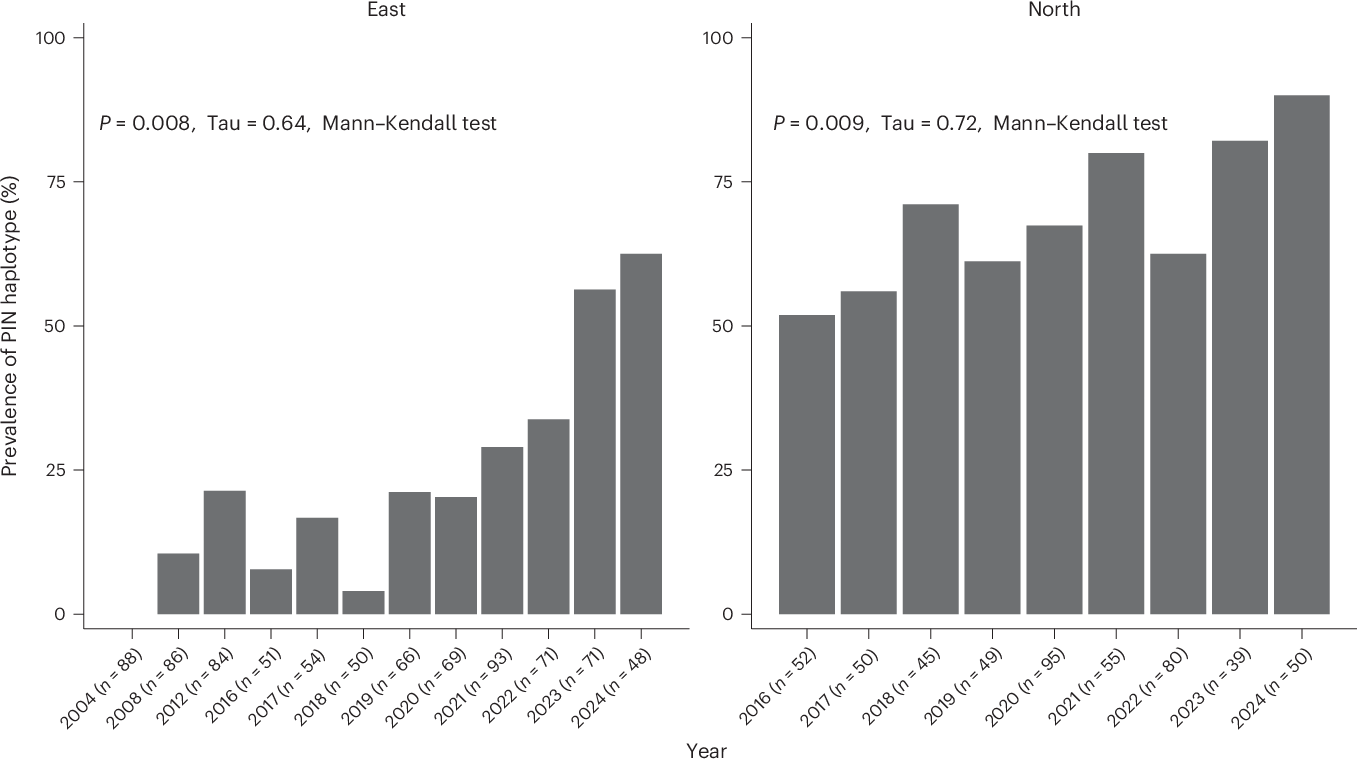
Malaria continues to exert a heavy toll on global health, particularly in sub-Saharan Africa, where the majority of cases and deaths occur. The battle against the disease has long relied on a shrinking arsenal of effective antimalarial drugs. Now, research published in Nature Medicine has cast a spotlight on a genetic factor that may be eroding the efficacy of these treatments in Uganda, a country at the forefront of malaria burden. The study identifies a locus called px1 that appears to be linked to declining susceptibility to antimalarial drugs, signaling a new avenue for understanding and combating resistance.
The Growing Threat of Drug Resistance
Over the past two decades, the global malaria community has made remarkable strides, reducing mortality and morbidity through insecticide-treated nets, indoor residual spraying, and artemisinin-based combination therapies (ACTs). However, these gains are increasingly fragile. Resistance to artemisinin and partner drugs has emerged independently in Southeast Asia and has since been detected in parts of Africa. The recent identification of cytogenetic and molecular markers associated with resistance has become a critical tool for surveillance, yet the picture remains incomplete. The new study adds a promising piece to this complex puzzle by focusing on Uganda, where malaria transmission is intense and the pressure on drugs is high.
According to the study's authors, the emergence and spread of drug resistance threatens progress toward malaria control and elimination. It is this very concern that prompted the investigation into the px1 locus. By examining the genetic basis of reduced drug susceptibility, the researchers aim to provide early warning signals that could guide national treatment policies and preserve the longevity of existing drugs.

Unraveling the px1 Locus
The title of the paper points to a clear finding: the px1 locus is linked to declining susceptibility to malaria drugs in Uganda. This suggests that the researchers have identified a specific genomic region associated with reduced response to treatment. While the full details of the methodology are not available from the abstract, the implication is that the study leveraged genomic analysis of malaria parasites. The term "locus" typically refers to a position on a chromosome, which in this context likely refers to a region in the parasite's genome. The finding that a single locus can influence susceptibility to multiple drugs would be a significant advance, as resistance mechanisms often involve multiple genes and complex interactions.
The identification of px1 is particularly notable because it may offer a new marker for tracking resistance in real time. If the locus is indeed linked to declining susceptibility, it could serve as a molecular sentinel, allowing researchers and public health officials to monitor the effectiveness of current drug regimens and anticipate when treatment protocols need to change.
Implications for Surveillance
One of the key takeaways from the study is the potential for genetic surveillance to inform malaria control. By screening parasites for the px1 variant, health systems can detect early signs of resistance before clinical failure becomes widespread. This proactive approach could be crucial in Uganda, where the health system already faces significant strain. The study's findings underscore the need to integrate genomic data into routine surveillance, moving beyond traditional therapeutic efficacy studies that often lag behind the genetic drift of resistance.
Why Genetic Markers Matter
Genetic markers are increasingly becoming indispensable tools in the fight against infectious diseases. For malaria, they offer several advantages over conventional methods:
- Early detection of resistance before clinical failure occurs
- Precise tracking of resistance spread across regions and countries
- Guidance for policy decisions on when to switch drug regimens
- Identification of geographic hotspots where resistance is emerging
The discovery of the px1 locus adds to a growing list of markers that malaria control programs can use to stay one step ahead of the parasite. The challenge lies in translating these laboratory findings into practical tools for surveillance and response.

Implications for Uganda and the Region
Uganda has one of the highest malaria burdens in the world, with tens of millions of cases reported each year. The country has adopted artemisinin-based combination therapies, but the emergence of parasites with reduced susceptibility could compromise the effectiveness of these drugs. The px1 locus might be one of the early indicators of this shift. For policymakers, the study serves as a wake-up call to diversify treatment options and accelerate the development of new antimalarial agents. It also highlights the importance of community-level interventions to reduce transmission, which in turn lowers the probability of resistance emerging and spreading.
The implications extend beyond Uganda. Drug resistance does not respect borders, and parasites can travel with infected individuals. The identification of a genetic locus associated with resistance in Uganda may prompt researchers to look for the same marker in other African countries. A coordinated regional response, underpinned by genetic data, could help contain resistance before it becomes a continental crisis.
Future Research Directions
While the discovery of the px1 locus is a step forward, many questions remain. Do the specific variants within this locus confer resistance to certain classes of drugs, or does it provide a general survival advantage under drug pressure? How does the locus interact with other known resistance markers? And can the locus be used as a target for new drugs that circumvent resistance?
Answering these questions will require a combination of functional studies, clinical trials, and population genomics. The researchers behind the current study have laid the groundwork, but it will be up to the broader scientific community to build on these findings. As the fight against malaria enters a new era, the integration of genetic insights into clinical practice will be paramount. The px1 locus may well prove to be a linchpin in that effort.

Conclusion
The study published in Nature Medicine provides compelling evidence that a single genetic locus, px1, is associated with declining susceptibility to malaria drugs in Uganda. This discovery arrives at a critical time, as the global health community wrestles with the ever-present threat of drug resistance. By identifying this link, the researchers have given malaria control programs a new tool to detect and respond to resistance early. While more work is needed to fully understand the mechanism and broader implications, the study is a reminder that genomics is now an indispensable ally in the ongoing battle against one of humanity's oldest killers.
This article is based on reporting by Nature Medicine. Read the original article.
Originally published on nature.com