Health authorities confirm a new case
South Korea has confirmed its first cholera case in 10 years, prompting health authorities to urge people to use safe water, eat properly cooked food and wash food carefully. The Korea Disease Control and Prevention Agency said the case was identified from test samples from a person who sought emergency care in the southeastern port city of Changwon earlier in November.
The patient had vomiting and diarrhea, recovered and was discharged on Tuesday, according to the agency. Authorities did not identify the person publicly. They said the individual had not traveled overseas during the previous two months.
The absence of recent overseas travel makes tracing the infection source a central part of the response. Health workers are trying to identify both the source of infection and people who had contact with the patient, the agency said.
First reported case since 2016
The confirmation is South Korea’s first cholera case since 2016. In that year, authorities identified three cases that were suspected to have been caused by contaminated seafood. The country has also experienced larger outbreaks in the past: at least 162 people became ill in a 2001 outbreak.
The newly reported case does not, by itself, establish a wider outbreak. The agency’s response is focused on investigation, contact tracing and guidance for the public and medical facilities. No source of infection was identified in the supplied report.
That distinction is important. The case is a confirmed diagnosis, while the cause of the infection remains under investigation. Health authorities are working to determine how exposure occurred and whether other people may have been affected.
How cholera spreads
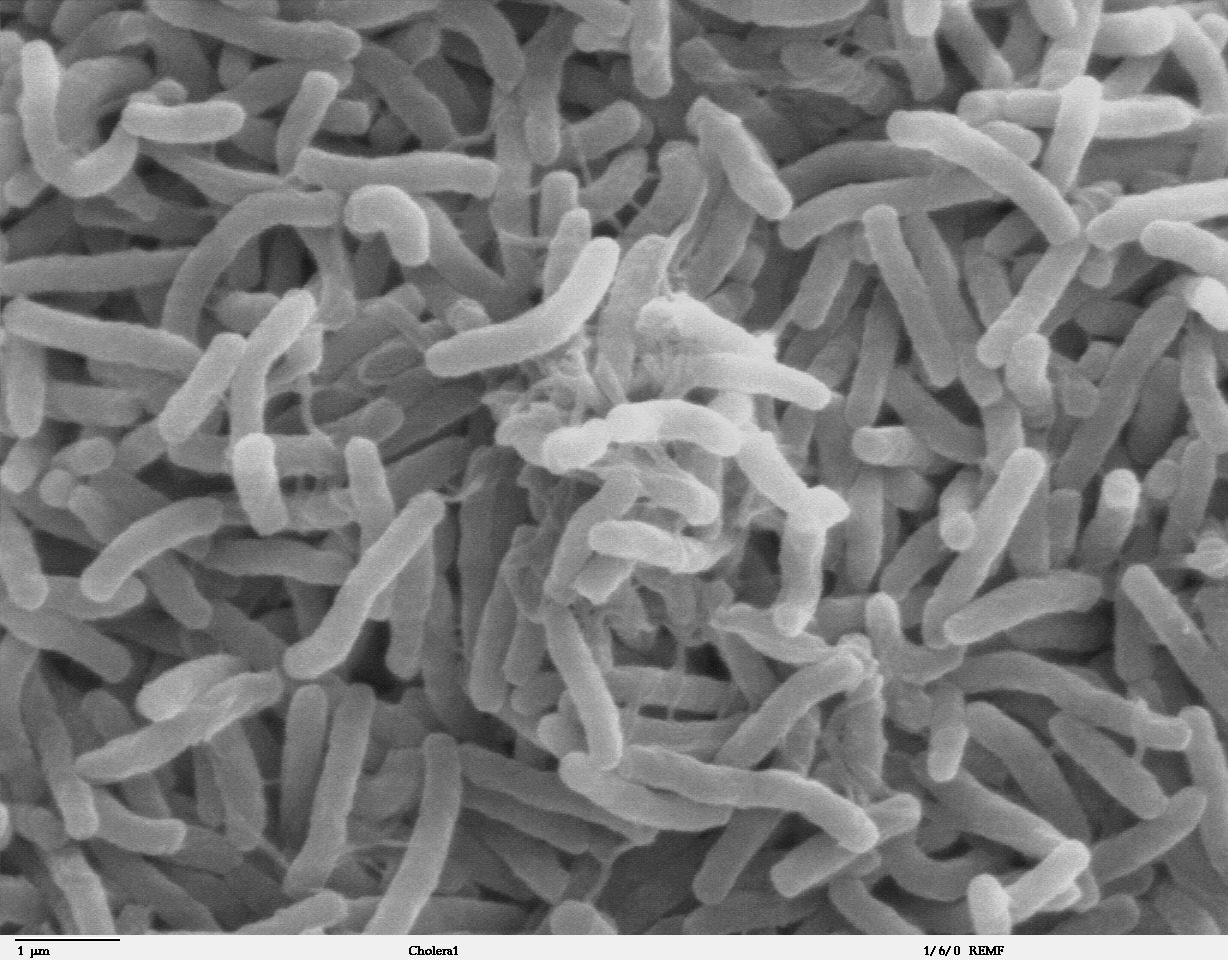
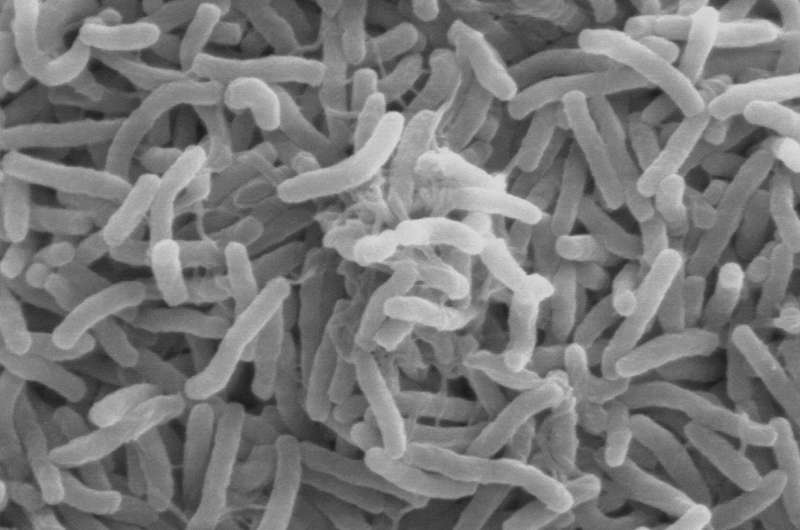
Cholera is an infectious disease caused by Vibrio cholerae. According to the Korean disease-control agency, it spreads mostly through contaminated water and food. It can also spread through contact with an infected person’s stool or vomit.
Diarrhea is the most common symptom. Severe illness can lead to dehydration or shock and can potentially be fatal if treatment is delayed. The Changwon patient also experienced vomiting and diarrhea before receiving hospital care.
The public guidance issued after the confirmation centers on reducing exposure through water and food. Authorities advised people to use safe water, eat cooked food, and wash and peel fruits and vegetables. These are general precautionary measures while the infection source is being traced.
Advice for the public and clinicians
The agency’s instructions extend beyond individual precautions. Medical facilities were urged to test and report suspected cases promptly. Timely reporting can help authorities investigate a possible source and identify contacts when a disease that can spread through contaminated food, water or bodily waste is detected.
For the public, the key measures described by the agency are straightforward but relevant to the known routes of transmission. Safe water and properly prepared food reduce the risk associated with contaminated water and food, while washing and peeling fruits and vegetables adds another layer of care for foods that may be consumed without further cooking.
- South Korea confirmed one cholera case in Changwon, a southeastern port city.
- The patient had vomiting and diarrhea, recovered and was discharged.
- The person had not traveled overseas in the prior two months.
- Authorities are tracing the infection source and the patient’s contacts.
- The case is the country’s first reported cholera case since 2016.

An investigation still underway
The report offers no conclusion on how the patient became infected. It also does not report additional confirmed cases. The immediate picture is therefore one of a single confirmed case, an active epidemiological investigation and renewed prevention messaging.
South Korea’s previous cases provide context but do not explain the current infection. In 2016, three cases were suspected to be tied to contaminated seafood; the health agency has not made such an attribution for the Changwon case. The current inquiry will need to establish the relevant exposure route.
The response reflects the seriousness of cholera even when a patient recovers. Its common symptom, diarrhea, can progress to dangerous dehydration or shock in severe illness if treatment is delayed. Identifying suspected cases quickly, and following safe food and water practices, are the practical steps emphasized by authorities as they investigate.
What is known now
The confirmed case ends a decade without a reported cholera diagnosis in the country, but it does not answer the most important outstanding question: where the infection came from. Officials have said the patient was not recently abroad, are tracing contacts and are asking health providers to rapidly test and report suspected cases.
For now, the available evidence supports caution rather than conclusions about broader transmission. The investigation’s results will determine whether the event remains an isolated case or reveals an exposure source requiring a more targeted public-health response.
This article is based on reporting by Medical Xpress. Read the original article.

Originally published on medicalxpress.com


