A broader view of colorectal tumors across age groups
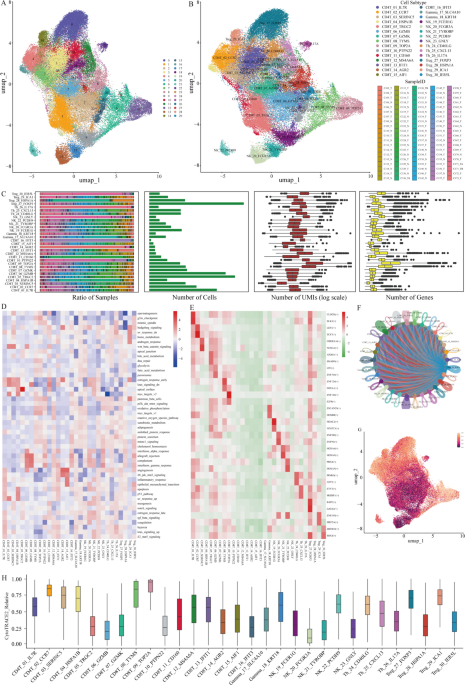
A study published in Nature Medicine has assembled a high-resolution single-nucleus RNA sequencing atlas of colorectal cancer spanning patients from age 20 to more than 90 years. The dataset includes 189 colorectal tumors and is intended to examine how tumor biology varies across the age continuum.
The research arrives amid concern about early-onset colorectal cancer, meaning disease diagnosed in younger adults. Rather than treating colorectal cancer as a single biological entity across all ages, the study investigates age-associated features at the level of individual cell nuclei.
What single-nucleus RNA sequencing adds
RNA sequencing measures which genes are active in a sample. In single-nucleus RNA sequencing, scientists analyze RNA from individual cell nuclei, helping them distinguish patterns among different cellular populations within a tumor.
That resolution matters in cancer because a tumor contains more than malignant cells. It can also include immune cells, connective-tissue cells, blood-vessel-associated cells and other parts of the surrounding microenvironment. A bulk measurement can obscure variation among those populations; a single-nucleus atlas is designed to reveal it.
The study’s scale—189 tumors from people aged 20 through 90 and older—allows the researchers to compare tumors across a wide age range. According to the article metadata, the atlas identifies age-associated features relevant to understanding early-onset colorectal cancer.
Why age-associated tumor biology matters
Colorectal cancer diagnosed at a younger age has become an important clinical and public-health focus. Understanding whether tumors arising in younger patients show distinct cellular programs, microenvironmental features or other age-linked patterns could help direct future research into risk, diagnosis and treatment.
The study does not, on the supplied information, establish a new clinical test or treatment. Its immediate contribution is a research resource: a detailed map of cellular gene-activity patterns across many tumors and ages. Such maps can generate hypotheses about how age relates to the development and behavior of colorectal cancer.
They may also help researchers separate features that are genuinely associated with patient age from those that reflect other characteristics of individual tumors. That distinction is essential before biological patterns can be translated into clinical practice.
A resource for future colorectal cancer research
Large molecular atlases increasingly shape cancer research by making it possible to compare disease across patients, cell types and biological states. The value of this atlas lies not only in its size but also in its age range, which includes younger adults as well as older patients.
Researchers can use such information to examine whether specific cellular populations or gene-expression programs are enriched at particular ages. They can then test whether those observations are linked to disease mechanisms, prognosis, treatment response or opportunities for prevention.
Any move from an observational atlas to clinical use will require additional validation. Findings need to be replicated in other patient groups and investigated alongside clinical outcomes. Even so, a dataset that captures colorectal tumors from age 20 through 90-plus gives investigators a stronger foundation for studying how this cancer changes across the lifespan.

What the study establishes—and what it does not
The publication reports a high-resolution single-nucleus atlas and age-associated features in colorectal tumors. It supports the proposition that age can be studied as an important dimension of colorectal cancer biology.
It does not, based on the available source material, prove that a particular age-associated feature causes early-onset disease, nor does it identify an immediate change to screening or treatment. Those questions require further work.
Still, the study gives the field a more granular way to investigate an urgent issue. By placing early-onset cases within a broad age continuum, it may help researchers move beyond simple younger-versus-older comparisons and toward a clearer account of the cellular biology that underlies colorectal cancer at different stages of life.
This article is based on reporting by Nature Medicine. Read the original article.
Originally published on nature.com


