A large pediatric trial points to a different recovery model
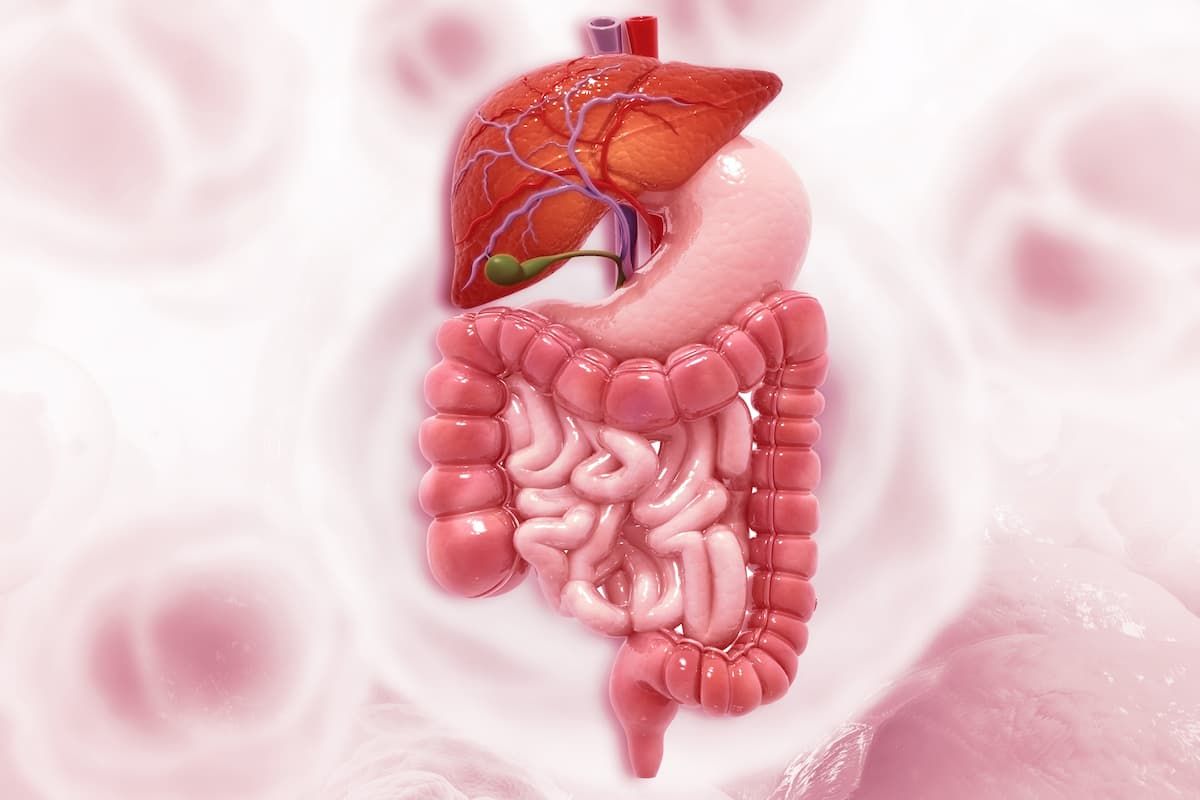
A multi-center U.S. clinical trial found that children and teenagers undergoing elective gastrointestinal surgery used 56% less opioid medication in the hospital when their care teams followed a structured enhanced recovery program. The study, published in JAMA Surgery, also linked higher use of the protocol to faster return to eating, shorter hospital stays and fewer complications.
The trial enrolled nearly 600 patients ages 10 to 18 at 18 pediatric centers between 2019 and 2024, making it one of the largest pediatric surgery trials conducted in the United States, according to the study authors from Northwestern University and Ann & Robert H. Lurie Children’s Hospital of Chicago.
What changed in care
The program was built around 21 steps spanning the period before, during and after surgery. Some are relatively simple, such as allowing clear liquids on the morning of surgery. Others focus on surgical technique and post-operative routines, including minimally invasive surgery when possible, earlier eating and walking, reduced use of tubes and drains, and pain control strategies designed to limit opioid exposure.
The protocol also emphasizes preparing families for what recovery should look like. That matters because several of the measures depend on patients and caregivers participating in early mobilization, nutrition and other recovery steps instead of viewing those goals as secondary to the operation itself.

Benefits went beyond pain medication
The opioid reduction was the headline result, but it was not the only one. Children treated with at least 13 of the 21 elements resumed eating sooner after surgery, stayed in the hospital about one day less on average and had roughly half the risk of complications compared with patients exposed to fewer elements.
Those findings suggest the protocol works as a system rather than as a single intervention. Instead of trying to solve recovery with one new drug or one change in surgical technique, the approach coordinates many smaller decisions that collectively affect pain, mobility, nutrition and discharge timing.
Why pediatric adoption has lagged
Enhanced recovery pathways are already common in adult surgery, where hospitals have used them for years to standardize perioperative care and shorten recovery. Pediatric adoption has moved more slowly. Previous studies in children were typically smaller and often limited to one hospital, leaving uncertainty about whether the same model would hold up across institutions and patient populations.
This trial helps close that gap by testing the protocol across a national network of pediatric centers. Because the improvement tracked with the number of protocol elements delivered, the study also gives hospitals a practical benchmark: the question is not simply whether a program exists on paper, but whether it is implemented consistently enough to change outcomes.
Why the result matters now
Hospitals have spent years trying to reduce unnecessary opioid exposure without leaving patients in pain or shifting burdens elsewhere in care. Pediatric surgery presents a particularly sensitive case because clinicians are treating pain during a vulnerable period while also trying to avoid habits and expectations that can carry forward into later life.
The new findings argue that better recovery does not require accepting either higher opioid use or slower healing as the price of surgery. In this study, the lower-opioid pathway was associated with broader improvements, not tradeoffs.
That makes the result relevant beyond pediatric gastrointestinal operations. If the protocol can be implemented reliably across many hospitals, it offers a template for how children’s surgery programs can modernize recovery: standardize the basics, involve families earlier, and treat pain control as one part of a larger system aimed at getting patients home sooner and in better condition.
What comes next
The study does not mean every element will matter equally for every patient or procedure. But it strengthens the case for wider pediatric use of enhanced recovery pathways and for measuring adherence closely rather than assuming benefits will appear automatically.
For hospitals, the practical implication is straightforward. A structured recovery program built from existing best practices can materially change outcomes at scale. For families, it offers a more reassuring message: faster recovery and less opioid use do not have to be competing goals.
This article is based on reporting by Medical Xpress. Read the original article.
Originally published on medicalxpress.com