Overview of the Author Correction
Nature Medicine has published an author correction online on September 1, 2026, addressing the seminal research paper on activating mutations in CSF1R and additional receptor tyrosine kinases in histiocytic neoplasms. The correction, identified by DOI 10.1038/s41591-026-04613-1, is intended to refine or clarify aspects of the original publication, a practice that is fundamental to maintaining the integrity of the scientific record. While the full details of the changes are not yet elaborated in public databases, the very existence of such a notice signals the authors' commitment to transparency and precision.
Histiocytic neoplasms are a rare group of blood disorders characterized by the abnormal accumulation of histiocytes—immune cells that normally help fight infection. The original study, which drew international attention, identified activating mutations in the colony-stimulating factor 1 receptor (CSF1R) gene, along with mutations in other receptor tyrosine kinases, as key drivers of these diseases. This discovery opened new avenues for targeted therapies and provided a molecular basis for classifying and treating these challenging conditions.
Background: Histiocytic Neoplasms and CSF1R
Histiocytic neoplasms encompass a spectrum of disorders, including Langerhans cell histiocytosis, non-Langerhans cell histiocytosis, and malignant histiocytosis. Historically, treatment options have been limited, and outcomes for patients with aggressive forms have been poor. The identification of recurrent genetic alterations has revolutionized the understanding of these diseases.
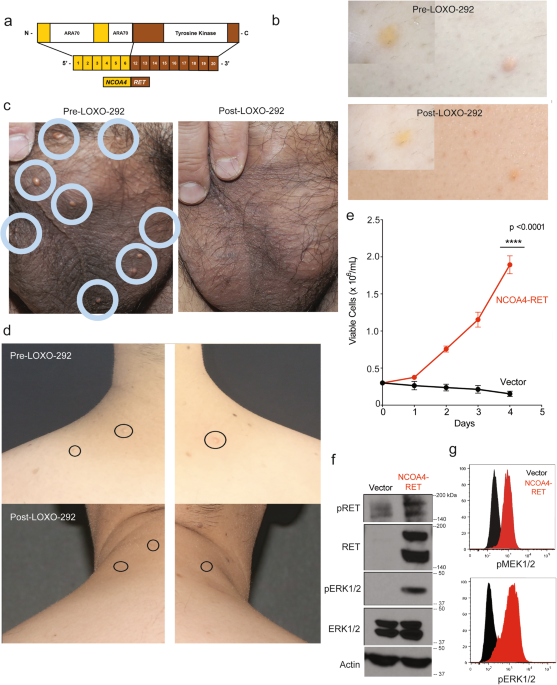
CSF1R encodes a receptor tyrosine kinase that is essential for the survival, proliferation, and differentiation of macrophages and other myeloid cells. When mutated, this receptor can become constitutively activated, driving uncontrolled cell growth and contributing to tumorigenesis. The original research demonstrated that activating CSF1R mutations, as well as mutations in other receptor tyrosine kinases such as ALK, ROS1, and RET, are present in a significant proportion of histiocytic neoplasms. These findings not only deepened the understanding of the disease biology but also suggested that existing targeted inhibitors—already used in other cancers—could be repurposed for patients with these rare conditions.

The Role of Receptor Tyrosine Kinases
Receptor tyrosine kinases (RTKs) are a family of cell surface receptors that play critical roles in cell signaling, growth, and differentiation. Aberrant activation of RTKs is a hallmark of many cancers. In histiocytic neoplasms, the discovery of mutations in multiple RTKs points to a convergent oncogenic mechanism, whereby different genetic alterations ultimately dysregulate similar downstream pathways, such as the MAPK/ERK and PI3K/AKT signaling cascades.
The original study's holistic approach—examining not just CSF1R but a panel of RTKs—highlighted the genetic heterogeneity of these neoplasms. This has important implications for clinical management: comprehensive genomic profiling may be necessary to identify the specific driver mutation in each patient, enabling personalized treatment selection. Drugs such as pexidartinib, which targets CSF1R, and other multikinase inhibitors have shown promise in clinical trials, reinforcing the translational relevance of the original findings.
Why Author Corrections Matter
Scientific corrections are a vital part of the research ecosystem. They ensure that the literature remains accurate and trustworthy, even after initial peer review and publication. Author corrections can arise from a variety of situations, including errors in data presentation, statistical mistakes, unclear wording, or the need to add missing information. In some cases, corrections stem from reanalysis of data or the realization that certain figures require modifications. By issuing a correction, the authors and the journal uphold the ethical standards of scientific publishing.
The timing of this correction—appearing soon after the original publication—suggests that the authors and editors acted promptly to address any issues. It is a reminder that science is an iterative process, where findings are continuously scrutinized and refined. For clinicians and researchers who rely on published evidence, such notices are essential for accurate interpretation and application of study results.
Moreover, corrections can sometimes attract as much attention as the original paper, especially when the study is highly cited or clinically impactful. In the field of oncology, where treatment decisions are increasingly guided by genomic biomarkers, precision is paramount. A correction that clarifies the prevalence or type of CSF1R mutations, for example, could influence how patients are screened or which therapies are prioritized. While the specific details of this correction are not yet fully disclosed, its issuance underscores the need for diligence in genetic reporting and data sharing.
Looking Ahead
The publication of this author correction reinforces the dynamic nature of cancer research. As technologies for genomic analysis advance and more patient data become available, our understanding of histiocytic neoplasms will continue to evolve. The original study's contribution remains foundational, providing a molecular roadmap that is already shaping clinical trials and therapeutic strategies. Future updates, including this correction, will likely refine these insights further.
For the scientific community, the correction serves as a reminder to consult the most recent, peer-reviewed versions of studies. It also highlights the responsibility of journals to facilitate post-publication review and of authors to maintain the highest standards of accuracy. The collaboration between researchers and publishers in issuing corrections exemplifies the self-correcting nature of science—a principle that ultimately safeguards public trust in medical research.
As of now, the full text of the author correction is available through the Nature Medicine website with the DOI 10.1038/s41591-026-04613-1. Researchers and clinicians are encouraged to review the correction and consider its implications for ongoing studies and patient care. The continued analysis of CSF1R and other receptor tyrosine kinase mutations in histiocytic neoplasms promises to yield further advances, and the commitment to transparency exhibited by the authors in issuing this correction sets a commendable example for the field.
This article is based on reporting by Nature Medicine. Read the original article.
Originally published on nature.com


