Route of cannabis use may matter before an upper endoscopy
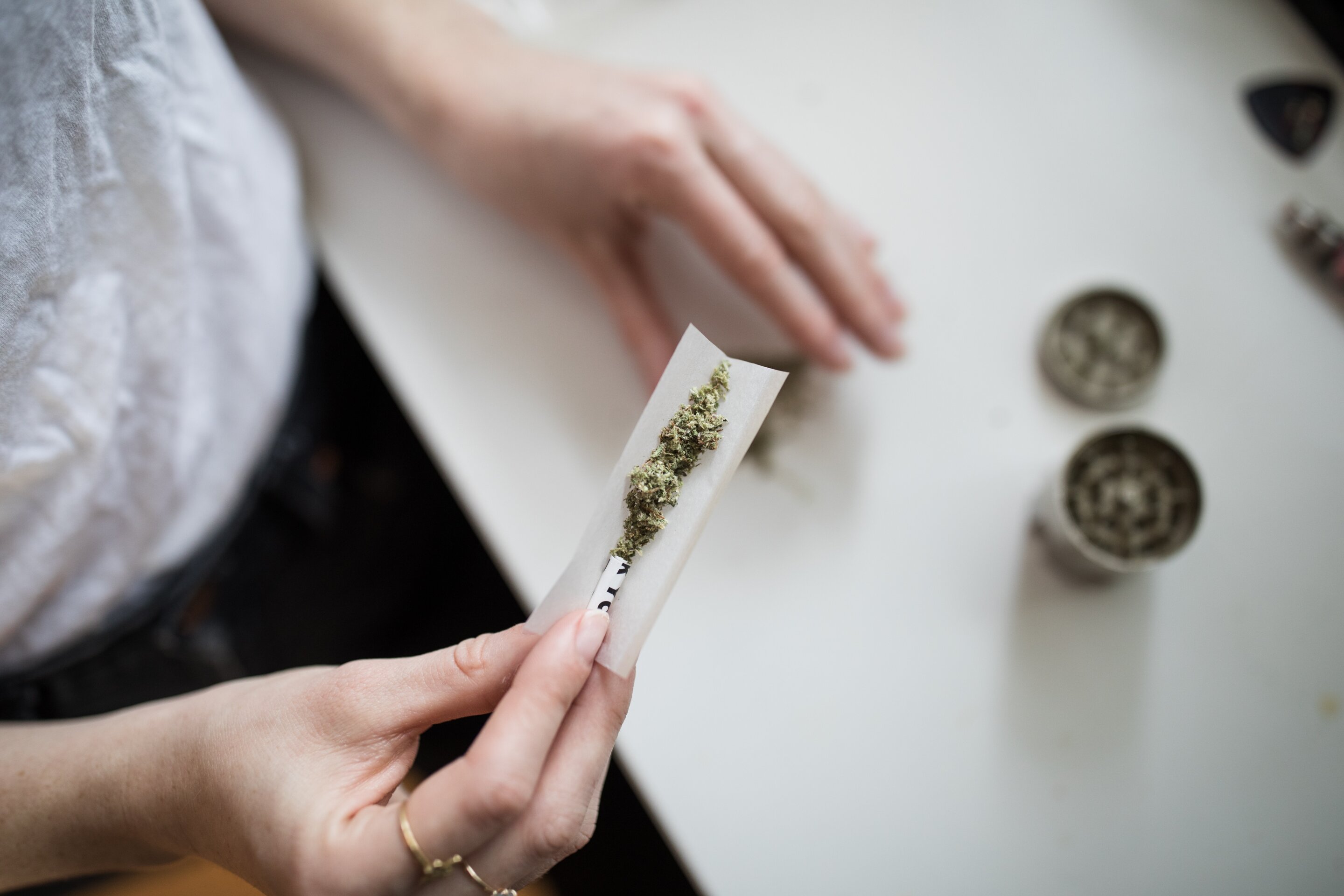
Patients who smoke or vape cannabis may require more anesthesia during an upper endoscopy than people who use edible cannabis products or do not use cannabis, according to research presented at the Anesthesiology 2026 annual meeting.
The study adds a more specific question to pre-procedure screening: not simply whether a patient uses cannabis, but how they use it. Its findings do not establish that inhaled cannabis directly causes a higher anesthetic requirement. But they suggest that clinicians may miss useful information if they treat all cannabis use as a single category.
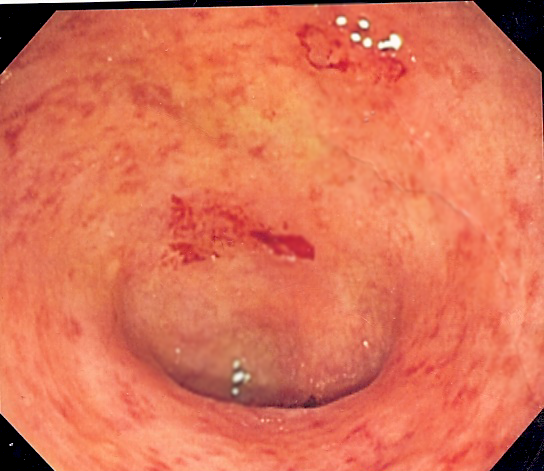
Upper endoscopy, also known as esophagogastroduodenoscopy or EGD, uses a flexible camera-equipped tube to examine the upper digestive tract. Propofol is commonly used to provide sedation for these procedures. Getting the dose right is important: too little can leave a patient insufficiently sedated, while unnecessary dosing can add risk and complicate recovery.
What the researchers examined
Researchers reviewed 280 gastrointestinal endoscopic procedures performed at one center. Complete cannabis-use information was available for 264 patients. Of those, 217 reported no cannabis use, 38 reported inhaled use through smoking or vaping, and nine reported oral use, such as gummies or other edibles.
When all cannabis users were grouped together, researchers did not find a statistically significant difference in the initial propofol dose compared with nonusers. The picture changed when the group was divided by route of administration.
- Nonusers received an average initial propofol dose of 138.7 milligrams.
- Patients reporting inhaled cannabis use received an average of 168.5 milligrams.
- Patients reporting oral cannabis use received an average of 114.2 milligrams.
The difference was most pronounced among patients undergoing upper endoscopy. The results suggest that inhaled use, rather than cannabis use in general, may be associated with a greater need for propofol in that setting.
A small study with an important clinical question
The research has clear limits. It was a single-center analysis, and the oral-cannabis group contained only nine people. That small number means the apparent difference for edible users should be interpreted cautiously. The study was also presented at a scientific meeting, which means it should not be treated as the final word on clinical practice.
Even so, the study points to a practical issue for anesthesiology teams. Cannabis products differ substantially in how they are consumed, how quickly their effects begin, and how long those effects may last. Smoking, vaping, and oral consumption can therefore be relevant distinctions when clinicians plan sedation.
Lead author Basavana Goudra, an anesthesiologist at Sidney Kimmel Medical College in Philadelphia, urged patients to be candid with their anesthesia team about cannabis use, including the form of use, frequency, and the time of last use. The message is not that every cannabis user will need a different anesthetic plan. It is that a simple yes-or-no question may be too blunt to guide one.
What patients should take from the finding
Patients should not change prescribed medications or make last-minute decisions about cannabis use without discussing their circumstances with their care team. The useful action is disclosure. Before an endoscopy or other procedure involving sedation, patients can tell clinicians whether they smoke, vape, or consume edibles; how often they use them; and when they last did so.
For clinicians, the study supports more detailed pre-anesthesia conversations and future research that separates route of use rather than combining all users into one group. Larger studies will be needed to determine whether the pattern holds across hospitals, patient populations, procedures, and anesthetic regimens.
As cannabis use becomes more common, anesthesia planning will increasingly depend on specifics. This early evidence suggests the delivery method may be one of the details worth recording.
This article is based on reporting by Medical Xpress. Read the original article.

Originally published on medicalxpress.com