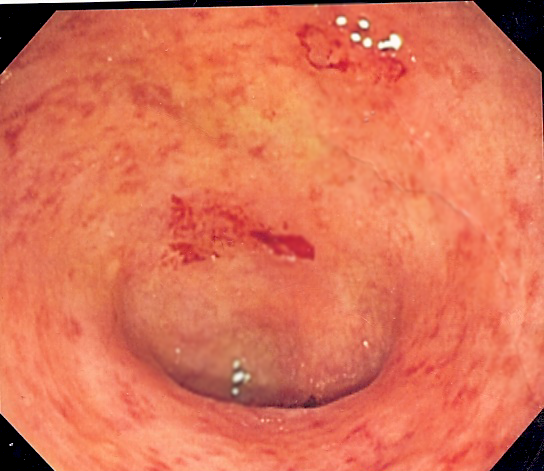
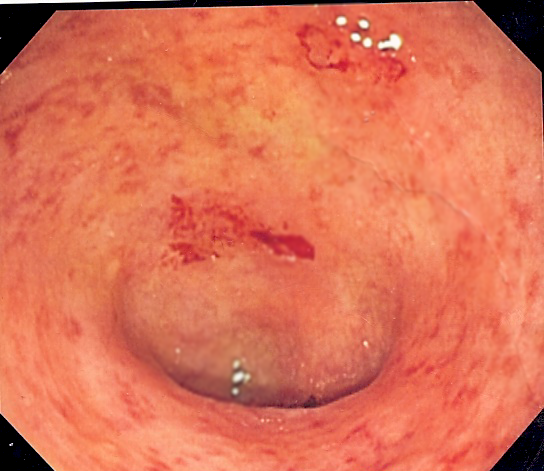
Changes in the immune system may be detectable long before inflammatory bowel disease is diagnosed, according to research presented at UEG Week 2026. The study identified antibody patterns in blood samples collected as far as 10 years before people were diagnosed with Crohn’s disease or ulcerative colitis.
The findings do not establish a diagnostic test ready for clinical use. But they add evidence that inflammatory bowel disease, or IBD, can develop over a lengthy pre-diagnostic period and that the immune changes during that period may be measurable.
A long lead-up to diagnosis
IBD is an umbrella term for chronic conditions that include Crohn’s disease and ulcerative colitis. In both, abnormal immune responses are associated with persistent inflammation and damage in the digestive system. The diseases can differ in where and how they affect the gut, but both can bring substantial symptoms and long-term health burdens.
Researchers examined 2,000 serum samples from 500 people. The group included 200 people who later developed Crohn’s disease, 200 who later developed ulcerative colitis, and 100 healthy controls matched by age and sex. Samples were taken at diagnosis and at roughly two, four and 10 years before diagnosis.
Rather than looking at a small number of immune markers, the team profiled antibody responses against about 357,000 antigens associated with microbes, viruses, foods and the immune system. Across all samples, the researchers identified 123,980 unique antibodies.

Distinct patterns in Crohn’s disease and ulcerative colitis
Compared with healthy controls, people who later developed either form of IBD had significantly lower antibody diversity. The study also found that the two conditions were associated with distinguishable response patterns well before diagnosis.
For people who later developed Crohn’s disease, elevated responses to herpesviruses and anti-flagellin antibodies were observed. Flagellin is a protein associated with bacterial movement. The report said these responses were especially notable in people who later developed complicated disease or disease affecting the ileum, the final section of the small intestine.
At the same time, antibody responses to encapsulated bacteria progressively declined as diagnosis approached. In people who later developed ulcerative colitis, the study found rising responses to herpesviruses and autoantigens, along with reduced reactivity to encapsulated pathogens.
These observations should not be read as proof that a specific virus or bacterium causes IBD. They instead describe associations in the measured antibody responses. Even so, the patterns offer a more detailed view of immune activity in the years before symptoms lead to a formal diagnosis.
Machine learning separated future cases from controls
The researchers combined the early antibody signatures in machine-learning models. According to the presentation, those models could distinguish people who would later develop IBD from healthy controls and could also help differentiate future disease complications.
That approach points toward a potential future role for blood-based risk assessment. A test based on such signatures would need extensive validation before it could be used to guide care. It would have to show that it works reliably in broader and more varied populations, that it improves on existing clinical assessment, and that there is a clear benefit to identifying elevated risk earlier.
Those questions are important because an immune signature is not the same as a diagnosis. A useful screening or risk tool must limit false alarms while identifying people for whom closer monitoring, further evaluation or future preventive approaches could make a meaningful difference.

Why earlier detection could matter
IBD is increasingly understood as a condition with a prolonged early phase. A clearer picture of that phase could help researchers study how immune responses change over time and which patterns are associated with different disease paths.
The study’s separate findings for Crohn’s disease and ulcerative colitis are also significant. They suggest that the period before diagnosis may not be biologically uniform across IBD. If confirmed, that could support more tailored approaches to risk detection and to research into disease mechanisms.
For now, the work is best seen as an early but substantial observational step. It relies on archived samples spanning years, a design that lets researchers look backward from diagnosis without asking participants to recall earlier exposures or symptoms. Its large antigen panel also enables a broad survey of immune responses rather than a narrow search for a single marker.
What comes next
Because the results were presented at a medical meeting, they should be interpreted with appropriate caution until the full work is independently reviewed and published. The reported findings nevertheless provide a compelling rationale for follow-up studies that test the antibody signatures in additional populations and determine how early they can be detected with useful accuracy.
Researchers will also need to establish whether the patterns add practical information beyond symptoms, family history, genetics and other clinical factors. The eventual goal would not simply be to predict who may develop disease, but to understand whether earlier recognition can lead to better outcomes.
Until then, the study reinforces a changing view of IBD: diagnosis may mark the point at which disease becomes clinically apparent, not the point at which its underlying immune changes began.
This article is based on reporting by Medical Xpress. Read the original article.

Originally published on medicalxpress.com