Understanding Heat Stress and the Body's Limits
With temperatures forecast to climb to 36°C (97°F) in parts of the UK, heat health alerts are once again in place—and for many people, it will mean more than an uncomfortable few days. The human body normally keeps its core temperature at around 37°C (99°F), and when the air around us heats up, it has to work harder to hold that line. Heat stress occurs when the body gains heat faster than it can lose it. The body's main defenses are sweating and sending more blood to the skin, where heat can be released into the environment, but these systems have limits. When the heat becomes too much, hot, humid air stops sweat from evaporating, or dehydration leaves too little fluid for the body to sweat and circulate blood properly, these cooling mechanisms start to fail. That's what leads to heat exhaustion and, in more serious cases, heatstroke.
The two conditions are often used interchangeably, but the difference between them matters. Knowing which one you're looking at could save a life.
Who Is Most Vulnerable?
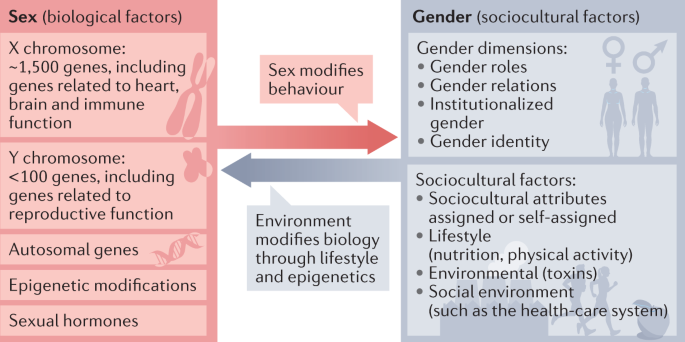
Anyone can develop heat-related illness, but some people are far more exposed to the risk than others. Older adults and young children are less efficient at regulating their body temperature, and that vulnerability can be compounded by underlying health conditions: Heart, kidney and respiratory diseases all reduce the body's ability to cope with heat, as can medications that affect sweating, hydration or blood flow. Enclosed spaces such as parked cars and poorly ventilated rooms can heat up rapidly, causing body temperature to rise quickly, particularly in children, older adults and people with underlying health conditions.
People who work or exercise outdoors face additional risks. Physical activity generates extra heat within the body, which, along with environmental heat and humidity, causes further rises in core temperature.
Recognizing Heat Exhaustion
Heat exhaustion occurs when the body is struggling to cope but is still just about managing to keep its core temperature below dangerous levels. You might notice heavy sweating, dizziness, headache, nausea, fatigue, cramps or simply feeling wiped out. These symptoms are the body's warning signs that it is being pushed to its limits. If you or someone around you experiences these symptoms, it is crucial to act quickly: move to a cool place, drink water, loosen clothing, and rest. Most people recover with these simple measures, but if symptoms persist or worsen, medical attention may be necessary.
Heatstroke: A Medical Emergency
Heatstroke is a more severe and life-threatening condition. It occurs when the body's core temperature rises above 40°C (104°F) and the cooling mechanisms fail completely. At this point, the body loses its ability to regulate temperature, and the brain and other vital organs can be damaged. Symptoms include confusion, seizures, loss of consciousness, hot dry skin (though sweating may still occur in some cases), and rapid breathing or heartbeat. Heatstroke requires immediate emergency medical treatment. While waiting for help, move the person to a cooler environment, remove excess clothing, and try to cool them down with cold compresses or a cool bath. Do not give fluids if they are unconscious or confused.

Prevention and Safety Tips
Preventing heat-related illness is far better than treating it. Stay hydrated by drinking plenty of water throughout the day, even if you don't feel thirsty. Avoid strenuous activity during the hottest parts of the day, typically between 11 a.m. and 3 p.m. Wear lightweight, light-colored, and loose-fitting clothing to help your body stay cool. Never leave children, older adults, or pets in parked cars, even for a few minutes. Check on vulnerable neighbors, friends, and family members who may be at higher risk. Keep your living space cool by closing curtains during the day and using fans or air conditioning if available.
When to Seek Help
It's important to know when heat exhaustion has escalated to heatstroke. If someone shows signs of confusion, fainting, or has a body temperature of 40°C or higher, call emergency services immediately. Heatstroke is a medical emergency that can lead to permanent disability or death if not treated promptly. Even if you're unsure, it's better to err on the side of caution and seek medical advice.
Conclusion
As the UK experiences more frequent heatwaves, understanding the difference between heat exhaustion and heatstroke is essential. By recognizing the symptoms early and taking preventive measures, you can protect yourself and others from the dangers of extreme heat. Stay informed, stay cool, and stay safe.
This article is based on reporting by Medical Xpress. Read the original article.
Originally published on medicalxpress.com