Google's Debug Program: A Controversial Approach to Disease Control
Earlier this summer, Google's Debug program drew attention when it applied to the Environmental Protection Agency for permits to release large numbers of Aedes aegypti mosquitoes across California and Florida. The initiative's tagline, 'let's stop bad bugs with good bugs,' might sound like a slogan for antivirus software, but it refers to a biological strategy. Instead of killing mosquitoes outright, the program uses a common bacterium called Wolbachia to act as a form of mosquito birth control. Following a series of pilot projects and encouraging trials from Singapore, Google hopes to expand the program across the United States to reduce the spread of potentially lethal diseases.
Why Mosquitoes Are the World's Deadliest Animal
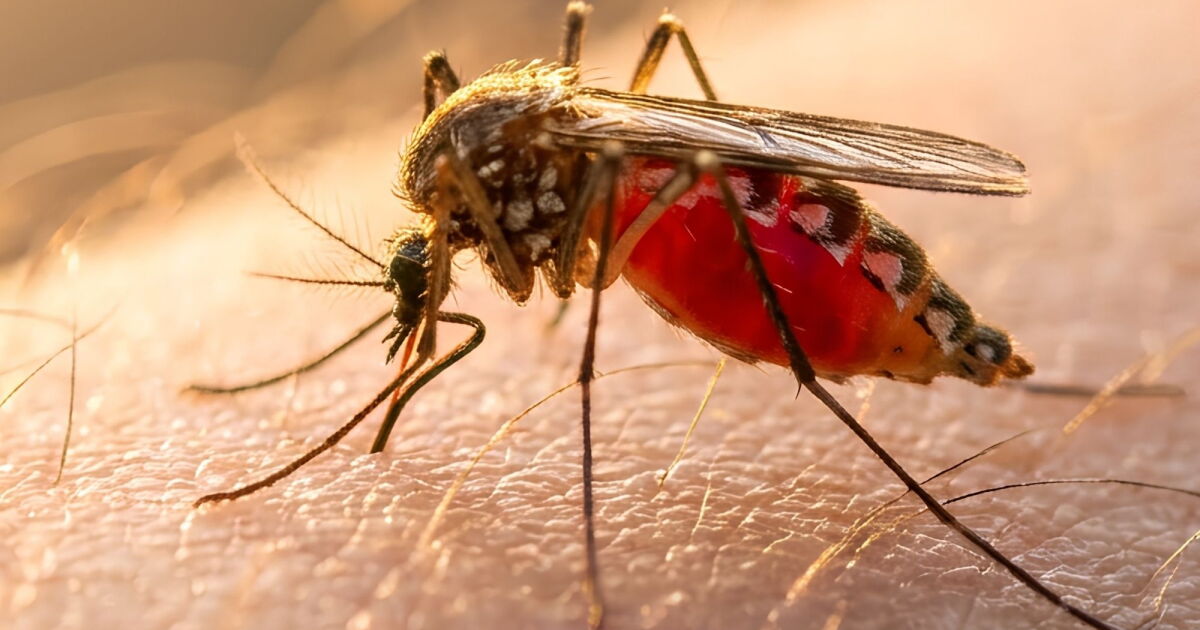
Mosquitoes have earned a grim reputation as the world's deadliest animal. They are indirectly responsible for more than a million deaths each year. While many mosquito species can transmit harmful pathogens, Aedes aegypti is among the most dangerous. This species is responsible for spreading dengue fever, chikungunya, Zika virus, and yellow fever. These diseases can cause severe illness, long-term complications, and death, making effective control measures a major public health priority.
Aedes aegypti typically inhabits tropical and subtropical regions. However, global warming is pushing the mosquito into previously untouched habitats. To the surprise of many, the species was recently found breeding as far north as the UK. Scientists determined that the likelihood of contracting diseases from these northern populations is remarkably low. Even so, the finding is a clear sign that change is in the air. As the climate shifts, more regions may become suitable for Aedes aegypti, raising the risk of outbreaks in places that have little experience with these diseases.

How Wolbachia Works as a Birth Control for Mosquitoes
Wolbachia is a genus of bacteria found naturally in many insects. In many cases, insects live symbiotically with these bacteria and experience no symptoms or adverse effects. However, that does not mean the bacteria have no influence. In the early 1900s, mosquito researchers discovered that Wolbachia affects the cytoplasm of host cells, changing their reproductive capabilities. Since then, scientists have developed different techniques to recruit the symbiotic microbe for mosquito control.
Most recently, scientific studies and trials have expanded the use of Wolbachia to target Aedes aegypti and protect against some of humanity's most critical mosquito-borne diseases. The bacterium functions as a kind of birth control. When Wolbachia-infected mosquitoes are released, they can disrupt the reproduction of wild populations. This approach does not rely on chemical insecticides, which can harm other species and lead to resistance. Instead, it uses a naturally occurring microbe to reduce the number of mosquitoes that can transmit disease.
Google's Debug program is far from the first initiative to use this technique. Rather, it is one of many efforts utilizing Wolbachia to suppress mosquito populations. The company's recent headlines reflect a growing interest in biological solutions to public health problems. By applying for EPA permits, Google is seeking regulatory approval to test the approach at a larger scale in California and Florida.
From Singapore Trials to US Expansion
Google's plan follows a string of pilot initiatives and promising trials out of Singapore. Those trials provided evidence that Wolbachia-based methods can work in real-world settings. Encouraged by those results, Google hopes to expand its mosquito program to stop the spread of lethal diseases across the United States. The program's focus on Aedes aegypti is strategic, given the species' role in transmitting multiple dangerous viruses.
Releasing mosquitoes may seem counterintuitive. After all, mosquitoes are the problem, not the solution. But the released insects are not designed to bite people or spread disease. They are tools for reducing the wild population's ability to reproduce. This is why the tagline 'let's stop bad bugs with good bugs' captures the essence of the strategy. The 'good bugs' are mosquitoes carrying Wolbachia, which can help suppress the 'bad bugs' that transmit pathogens.

The Role of Climate Change and Emerging Risks
The urgency of new mosquito control tools is growing. As global temperatures rise, Aedes aegypti is expanding its range. The discovery of the species breeding in the UK illustrates how quickly the map can change. Although the risk of disease transmission from these new populations is currently low, the situation could evolve. Warmer conditions can shorten the mosquito's life cycle and increase its activity, potentially leading to more opportunities for disease spread.
Public health experts have long warned that climate change could exacerbate mosquito-borne diseases. The source material notes that mosquitoes are indirectly responsible for more than a million deaths each year, and Aedes aegypti spreads four major diseases. Scientists like Chantal Vogels, an assistant professor, have contributed to the understanding of Wolbachia's potential. As the climate continues to change, the need for innovative, scalable solutions becomes more pressing.
Challenges and Regulatory Hurdles
Expanding a mosquito release program is not without challenges. Google's Debug program must obtain EPA permits before releasing mosquitoes in California and Florida. Regulatory review ensures that the approach is safe for ecosystems and human health. The program also needs to convince the public that releasing more mosquitoes is a good idea. Communication will be key, especially in areas where mosquito bites are already a nuisance.
Despite these hurdles, the potential benefits are significant. Wolbachia-based methods have shown promise in reducing mosquito populations and disease transmission. They offer a targeted, non-chemical alternative to traditional insecticides. As resistance to pesticides grows and climate change expands mosquito habitats, innovative solutions like Google's Debug program could become increasingly important.

The Future of Mosquito-Borne Disease Control
Google's effort is part of a broader movement toward using biology to solve biological problems. Wolbachia is not a new discovery, but its application as a mosquito control tool is relatively recent. The bacterium's natural presence in many insects means it is already part of many ecosystems. By harnessing it, scientists hope to reduce the burden of diseases like dengue, chikungunya, Zika, and yellow fever without widespread spraying of chemicals.
The program's success will depend on rigorous trials, transparent reporting, and community engagement. If the Singapore trials are any indication, the approach could be scaled up to make a meaningful difference. For now, Google's application to the EPA marks a significant step. It signals that a major technology company is willing to invest in public health solutions that blend ecology, genetics, and innovation.
As the world grapples with the dual challenges of climate change and infectious diseases, tools like Wolbachia offer a ray of hope. The idea of spreading mosquitoes to fight disease may sound paradoxical, but it reflects a deep understanding of mosquito biology. By turning the insect's own reproductive machinery against it, researchers aim to protect millions of people from some of the planet's most dangerous pathogens.
This article is based on reporting by New Atlas. Read the original article.
Originally published on newatlas.com