
Antimicrobial resistance remains a threat to modern medicine
Senior World Health Organization officials have warned that the global response to antimicrobial resistance is advancing too slowly, despite a large expansion in the number of countries with national action plans.
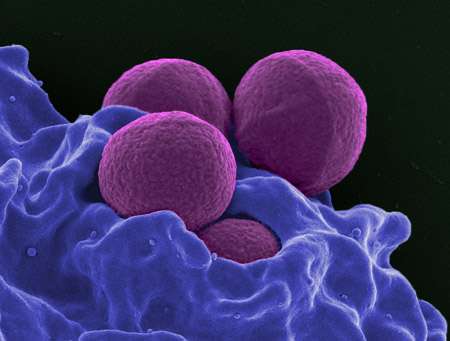
Antimicrobial resistance, often shortened to AMR, occurs when microorganisms develop the ability to survive medicines intended to kill or control them. In the case of bacteria, resistance can make routine infections harder to diagnose and treat, while weakening the effectiveness of antibiotics that underpin much of modern healthcare.
Jean-Pierre Nyemazi, the WHO’s interim head of antimicrobial resistance, said resistant infections are widespread and pose a danger to the future of modern medicine. Unlike a fast-moving and highly visible emergency, he said, drug-resistant infections have claimed lives over many years without receiving the level of public alarm they warrant.
The scale is already substantial. WHO officials said AMR was directly responsible for more than one million deaths in 2021 and was associated with roughly 4.7 million deaths that year. Those figures illustrate why resistance is not simply a future risk or a narrow issue for specialist hospitals; it is a present global health problem with consequences across everyday care.
More countries have plans, but fewer have working systems
A WHO review of 183 countries found that nearly nine in 10 now report having a national action plan addressing antimicrobial resistance. That is a major increase from 2017, when the figure was about four in 10.
But the existence of a plan does not ensure that it can change practice. Only 42 countries, fewer than one in five of those assessed, said their plans were financed, implemented and monitored. WHO technical officer Pravasha Prakash said countries were progressing across different steps of the response but needed to move faster to meet global targets for 2030.
The gap between planning and delivery is central to the warning. A national strategy can set out goals for surveillance, prevention, laboratory capacity and appropriate antibiotic use. Yet those goals depend on recurring funding, trained staff, accessible testing, reliable reporting and health systems able to act on the results. Without those foundations, a plan may identify a threat without giving clinicians and public-health authorities the tools to contain it.
WHO officials also linked the problem to antibiotic use across human health, animal husbandry and food production. Bacteria naturally evolve resistance, but widespread antibiotic use in these settings can accelerate the process. Effective action therefore requires attention beyond prescribing in hospitals and clinics.

Diagnostics are a major weak point
Access to diagnostics remains one of the most important weaknesses identified by the WHO. Only 36% of countries reported having a national reference laboratory able to test for resistance in all bacteria and fungi monitored by the organization. That is far below the 80% target set for 2030.
Sylvia Bertagnolo, who leads AMR surveillance at WHO, described the practical consequence plainly: without testing, clinicians can be forced to treat patients without knowing which organism is causing an infection or which antibiotic is likely to work.
That uncertainty can affect both individual care and the wider resistance problem. If a clinician lacks a test result, treatment decisions may need to be made empirically. Better diagnostics can help identify resistant infections, guide more appropriate treatment and generate the surveillance data health authorities need to understand where resistance is spreading.
The WHO’s latest global surveillance data also point to the continuing burden of bacterial disease: in 2023, one in every six laboratory-confirmed bacterial infections was cited by officials in their assessment. The source material does not specify the full range of bacteria or resistance patterns behind that figure, but it reinforces the agency’s case that surveillance cannot be treated as an optional add-on.
What the warning means for the 2030 agenda
The WHO message is not that nothing has changed. National planning has expanded considerably since 2017, demonstrating broader recognition that AMR demands coordinated action. The concern is that implementation is lagging behind the scale and urgency of the threat.
For governments, the immediate challenge is to convert national commitments into durable systems. That includes financing action plans, monitoring whether they are being carried out, strengthening reference laboratories and making diagnostic testing more available. It also includes improving prevention and ensuring antibiotics are used appropriately across the settings where they can drive selection for resistance.
For healthcare systems, the warning highlights the value of knowing what is causing an infection before choosing treatment whenever testing is available. For public-health agencies, it underlines the importance of surveillance that can reveal changing resistance patterns early enough to inform policy and clinical guidance.
AMR does not arrive as a single, easily recognized event. Its impact accumulates through infections that become harder to treat and through the loss of confidence that established medicines will work when needed. WHO officials are urging countries to treat that slower-moving crisis with greater urgency before the 2030 targets move further out of reach.
Key points
- WHO says antimicrobial resistance is widespread and threatens modern medicine.
- Nearly nine in 10 countries assessed have an AMR action plan, up from about four in 10 in 2017.
- Only 42 countries reported plans that were financed, implemented and monitored.
- Just 36% reported national reference labs able to test for resistance across all WHO-monitored bacteria and fungi.
This article is based on reporting by Medical Xpress. Read the original article.

Originally published on medicalxpress.com


