Extreme weather becomes an indoor health risk
When temperatures surge or plunge outside, people in custody cannot readily move to air-conditioned buildings, public cooling centers or warmer homes. A recent study of Pennsylvania prisons finds that this lack of control can carry measurable health consequences.
Researchers reported that periods of extreme heat and cold were associated with higher rates of death, infirmary admissions and transfers to outside medical facilities among people imprisoned in Pennsylvania over the past two decades. The study was published in Nature Communications.
The findings focus attention on an often overlooked feature of climate resilience: whether institutions built decades ago can protect people who cannot leave them. In Pennsylvania, many prison facilities were constructed in the 1990s or earlier, before today’s more severe weather patterns became a central design concern.
What the study found
The research examined health outcomes among incarcerated people in Pennsylvania during extreme-temperature periods. According to epidemiologist Jaquelyn Jahn, who studies the health of incarcerated people and is among the researchers, both very hot and very cold conditions were linked to elevated rates of serious health outcomes.
The reported outcomes were not limited to discomfort. They included deaths, admissions to prison infirmaries and transfers for care at external medical facilities. The study does not establish that every individual outcome was caused by a temperature event, but the associations indicate that extreme conditions are a public-health hazard inside prisons.
That is significant because people held in prisons may have limited ability to reduce exposure. They cannot independently alter building systems, relocate to another neighborhood, seek shelter elsewhere or obtain household cooling equipment. Their safety depends on facility infrastructure, operating procedures and the availability of medical care.

An aging prison system meets changing weather
Pennsylvania has nearly 40,000 people in state prisons and the sixth-largest prison population among US states, according to the article describing the study. The scale means building conditions can affect a large number of people during a heat wave or cold snap.
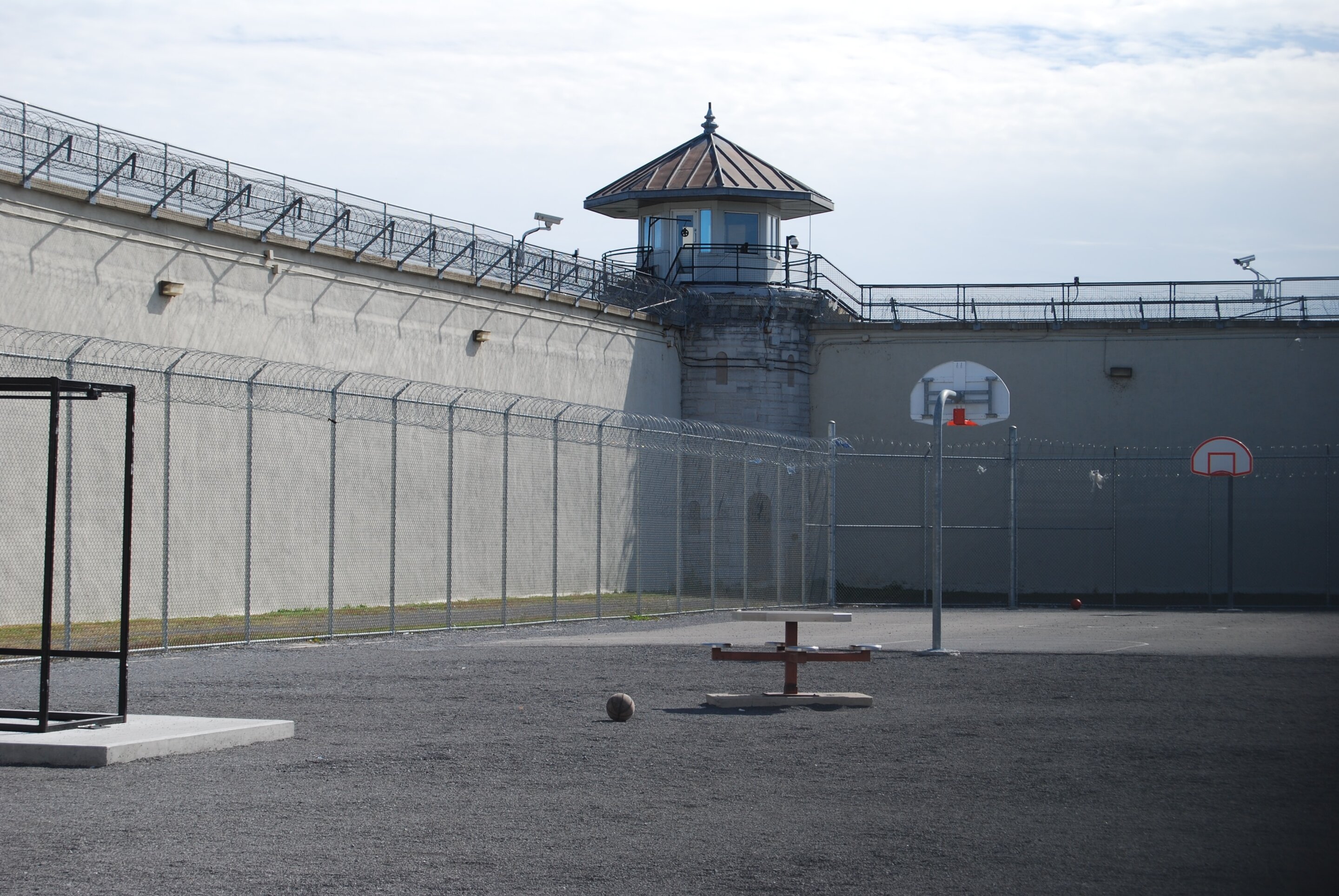
Some state correctional institutions—including facilities in Cambridge Springs, Dallas, Laurel Highlands, Muncy, Waymart and Huntingdon—have only partial or very limited air conditioning. In those settings, cooling may be available in particular buildings or units, such as nursing-care areas, but not across an entire facility.
Partial coverage can create uneven protection. A person’s exposure may depend on the housing unit they occupy, the reliability of equipment and whether staff can move them to a safer space. During a sustained heat event, that can turn a building-level infrastructure gap into a medical issue.
Cold conditions pose a different but related problem. The article notes accounts of bitterly cold conditions when heating systems malfunction. For older adults and people with underlying illnesses, prolonged exposure to either extreme can be especially dangerous.
Who faces the greatest vulnerability
Incarcerated populations include people with chronic conditions, disabilities and age-related health needs. They also include people who may depend on regular medication, monitoring or access to clinical staff. Extreme temperatures can complicate all of those needs, while stress and dehydration can aggravate existing medical problems.
Women and older people are among the groups highlighted in the discussion of Pennsylvania’s prison conditions. At MCI Muncy, a woman in her early 60s told the Prison Journalism Project that she sometimes wore multiple layers of pants and shirts, along with a jacket and coat, in winter. Individual testimony does not substitute for population-level research, but it illustrates the lived conditions behind the study’s statistical findings.
The core issue is not whether people in custody can make better personal choices during dangerous weather. Their choices are structurally constrained. That makes facility planning, maintenance and emergency response central to health protection.
Infrastructure is a public-health intervention
Climate adaptation is often discussed in terms of grids, flood barriers, cooling centers and building codes. Prisons belong in that conversation as well. Heating, ventilation and air-conditioning systems; shaded or cooled areas; reliable water access; clinical monitoring; and protocols for equipment failures can all shape exposure during extreme weather.
The Pennsylvania findings also suggest that planning should address both ends of the temperature range. Heat is frequently the focus of climate-health discussions, but severe cold can also increase medical risk, particularly when aging heating systems fail or do not adequately serve occupied areas.
Because the study identifies associations over a long period, it provides evidence for treating prison temperature management as more than a matter of comfort or operations. The health signals tracked by researchers—mortality and elevated medical use—place it squarely within public health.
From evidence to accountability
The study does not by itself prescribe a single remedy for every facility. Prison buildings vary in design, age, population and local climate. But its findings make clear that officials need to assess whether existing infrastructure can protect incarcerated people during weather extremes.
That assessment includes the capacity of heating and cooling systems, the conditions in individual housing areas, the process for responding to failures and the ability to rapidly identify people needing care. It also raises broader questions about how state institutions account for climate risks in capital planning and facility maintenance.
For people inside prisons, exposure to extreme weather is not voluntary and cannot be solved by leaving an unsafe building. The new research adds quantitative evidence to longstanding warnings: as severe temperatures become more consequential, the physical condition of prisons is itself a health issue.
This article is based on reporting by Medical Xpress. Read the original article.

Originally published on medicalxpress.com