A potential perioperative tool for a high-risk period
Ketamine or its derivative esketamine, given during or immediately after a cesarean delivery, was associated with lower depressive-symptom scores in the first two weeks after birth in a new meta-analysis. The finding points to a possible additional role for drugs already familiar in operating rooms, but the researchers stress that it does not establish ketamine as a routine preventive treatment for postpartum depression.
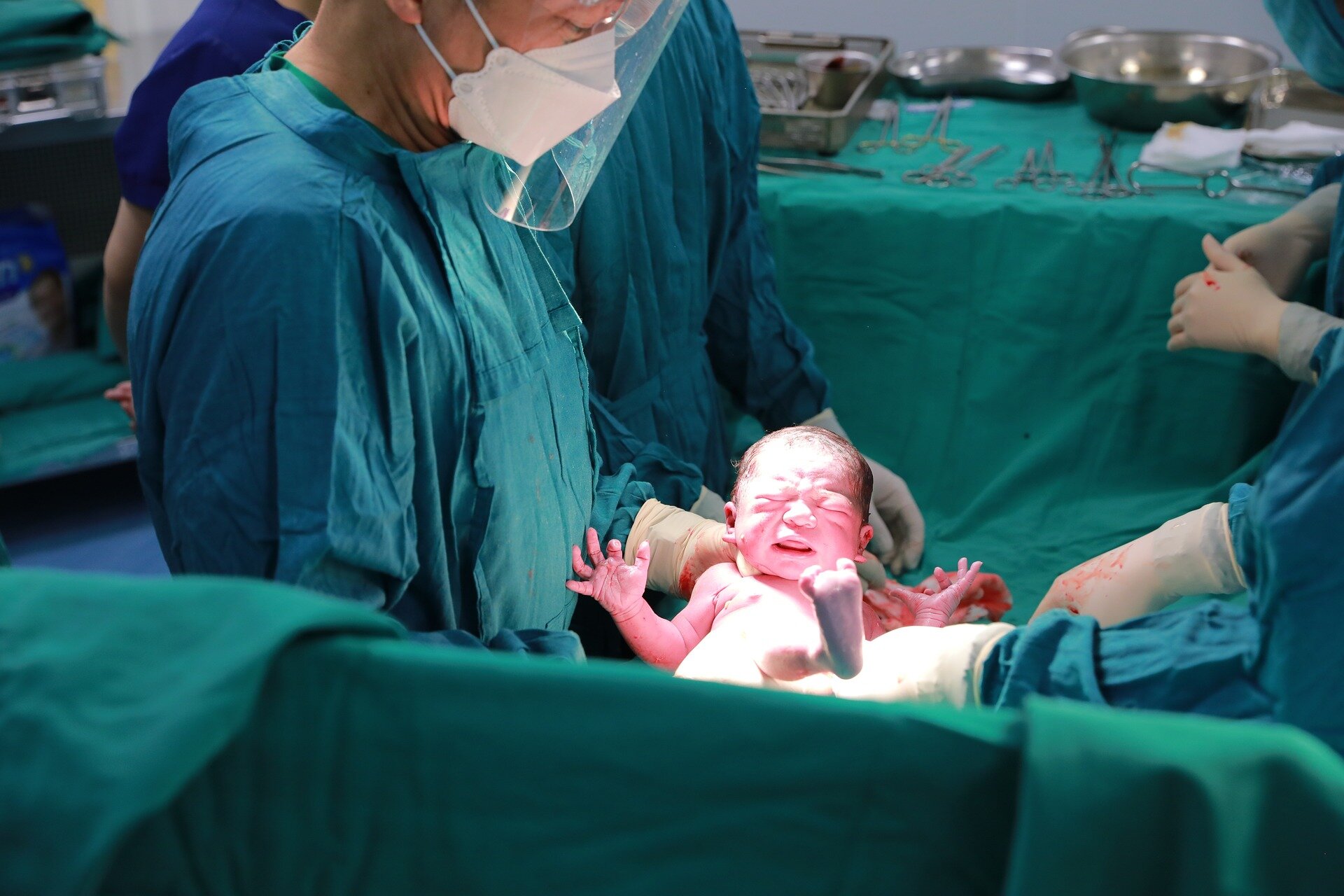
The analysis was presented at the ANESTHESIOLOGY 2026 annual meeting and reviewed six randomized controlled trials published between January 2015 and September 2025. Across those trials, 1,832 women undergoing elective C-sections received ketamine or esketamine during or after surgery, or did not receive either drug. Researchers compared postpartum symptom scores between the groups.
The result was a small-to-moderate reduction in depressive symptoms among women who received ketamine or esketamine. The scores were measured from postoperative day three through day 14 using the Edinburgh Postnatal Depression Scale, a widely used screening questionnaire for postpartum depressive symptoms.
Why the timing matters
The days following delivery can be an especially difficult period for women recovering from major abdominal surgery while adapting to infant care. Postpartum depression affects about one in five women after childbirth, according to the study summary, and can have serious consequences for mothers, infants and families.
Cesarean delivery has been associated with a higher risk of postpartum depressive symptoms, including sadness, anxiety, irritability, loss of interest and difficulty bonding with a baby. That connection has prompted researchers to ask whether medications administered around surgery might reduce symptom burden during recovery.
Ketamine is used in operating-room settings for anesthesia and pain control. It is also known for rapid antidepressant effects in psychiatric care. The new analysis brings those two contexts together: rather than beginning a separate mental-health intervention after birth, it examines whether a drug used as part of surgical care could influence early postpartum symptoms.

What the evidence does and does not show
The finding is encouraging, but its limits are important. The analysis examined questionnaire scores during a short follow-up window, not whether ketamine prevented clinically diagnosed postpartum depression. A lower score on a screening tool can signal fewer symptoms, but it is not the same as a diagnosis or proof of a lasting clinical benefit.
Lead author Peter Hsin said the results suggest benefits beyond anesthesia and pain relief for women having C-sections, while emphasizing that it is too early to conclude that ketamine prevents clinically diagnosed postpartum depression or should be used routinely.
That caution matters because a perioperative medication decision must account for more than one possible benefit. Obstetric and anesthesia teams would need stronger evidence on the appropriate patient population, timing, dose, follow-up and balance of benefits and risks before changing standard care. The supplied study summary does not establish those answers.
Why a meta-analysis is useful
Individual clinical trials can be too small to give a clear answer, particularly when they measure outcomes that vary among patients and across care settings. By pooling six randomized trials, the researchers sought a more reliable estimate of whether the observed symptom difference was likely to be meaningful rather than random.
Randomized controlled trials are valuable for this question because they compare people who received the intervention with similar people who did not. Still, combining trials does not erase differences among them. The studies spanned a decade, involved ketamine or esketamine, and assessed symptoms over the early postoperative period. The meta-analysis identifies a pattern across those studies; it does not on its own settle how the drugs should be incorporated into clinical practice.

A prompt for further research and screening
The results add to interest in preventing or easing depressive symptoms during the period immediately after delivery, when new mothers may have limited time and energy to seek additional care. If future research confirms the effect and clarifies which patients benefit, a treatment integrated into surgical care could become one component of a broader approach.
For now, the study should be read as an early signal rather than a treatment recommendation. Screening remains essential because postpartum depression can emerge in different ways and at different times, and symptom questionnaires are designed to identify people who may need further evaluation. Support from obstetric, primary-care and mental-health teams remains central regardless of whether perioperative approaches advance.
The study’s central contribution is therefore practical as well as scientific: it suggests the C-section setting may offer an opportunity to study early mental-health support, while underscoring the need for careful clinical validation before changing routine use of ketamine or esketamine.
This article is based on reporting by Medical Xpress. Read the original article.
Originally published on medicalxpress.com