An Unlikely Cancer Research Subject
Researchers studying diet and cancer biology have identified dark sweet cherries as a potential source of compounds that may help slow the progression of triple-negative breast cancer — the most aggressive and hardest-to-treat subtype of the disease. The findings, based on mouse models rather than human clinical trials, add to a growing body of research on how phytochemicals in common foods may interact with cancer biology in meaningful ways.
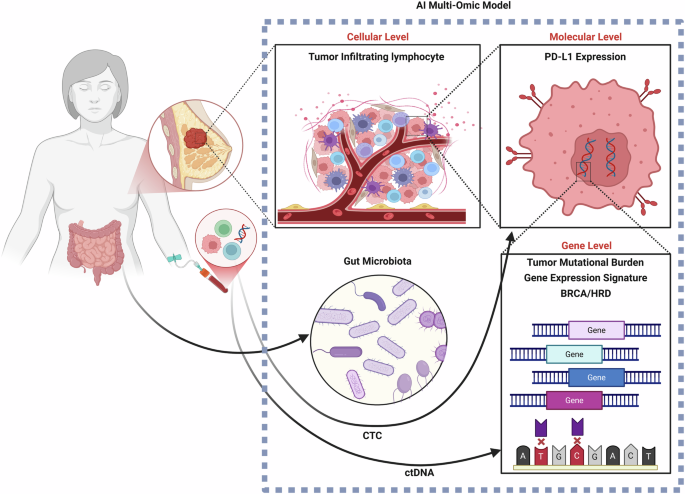
Triple-negative breast cancer, so named because it lacks the three most common hormone receptors targeted by existing therapies, affects approximately 10 to 15 percent of breast cancer patients. It disproportionately affects younger women and Black women, tends to be more aggressive than other breast cancer subtypes, and has fewer treatment options. Identifying new therapeutic targets or adjunct treatments is an active area of research.
What the Research Found
The study, conducted at a major research university's cancer biology laboratory, treated mouse tumor models with extracts derived from dark sweet cherries, concentrating specifically on anthocyanins — the pigments responsible for the deep red and purple color of cherries, blueberries, and related fruits. Anthocyanins have been studied previously for anti-inflammatory and antioxidant properties, but their interaction with cancer cell proliferation has not been extensively characterized.
In the mouse models, cherry extract treatment significantly slowed tumor growth compared to control groups. The researchers identified several possible mechanisms: anthocyanins appeared to inhibit signaling pathways involved in cancer cell replication, reduce angiogenesis (the formation of blood vessels that feed tumors), and induce apoptosis (programmed cell death) in cancer cells. These are the same targets pursued by several existing cancer drugs, which gives the finding some mechanistic plausibility even as its clinical relevance remains uncertain.
The effective concentrations in the mouse study were achieved through purified extract rather than whole fruit consumption. The researchers calculated that replicating those concentrations in a human through whole cherry consumption would require quantities far exceeding what any person could realistically eat — a finding that tempers the practical implications while not diminishing the scientific interest.
The Challenge of Translating Mouse Studies
It bears emphasizing that the vast majority of cancer research findings in mouse models do not translate into human treatments. Mouse and human cancer biology share important similarities but also fundamental differences in tumor development, immune response, and drug metabolism. Many compounds that show dramatic anti-tumor effects in mice fail completely in human clinical trials.
The cherry compound research is several steps removed from anything that would change clinical practice. Before any human application could be considered, researchers would need to conduct additional mechanistic studies, identify which specific compounds are responsible for the observed effects, develop a stable and bioavailable formulation, and run a series of increasingly large clinical trials. That process typically takes a decade or more even under the best circumstances.
Practical Takeaways
For individuals, the practical implication is modest: dark sweet cherries are a nutritious food with a plausible biological rationale for being part of a healthy diet. The existing research on anthocyanins more broadly — including potential cardiovascular and anti-inflammatory benefits — gives cherry consumption some scientific backing beyond mere intuition. But no oncologist would recommend eating cherries as a cancer prevention or treatment strategy based on the current evidence. The research is best understood as a scientific signpost pointing toward potentially interesting territory — and worth following with appropriately measured interest as the evidence develops.
This article is based on reporting by Science Daily. Read the original article.

Originally published on sciencedaily.com