A second rescue closes a dangerous chapter
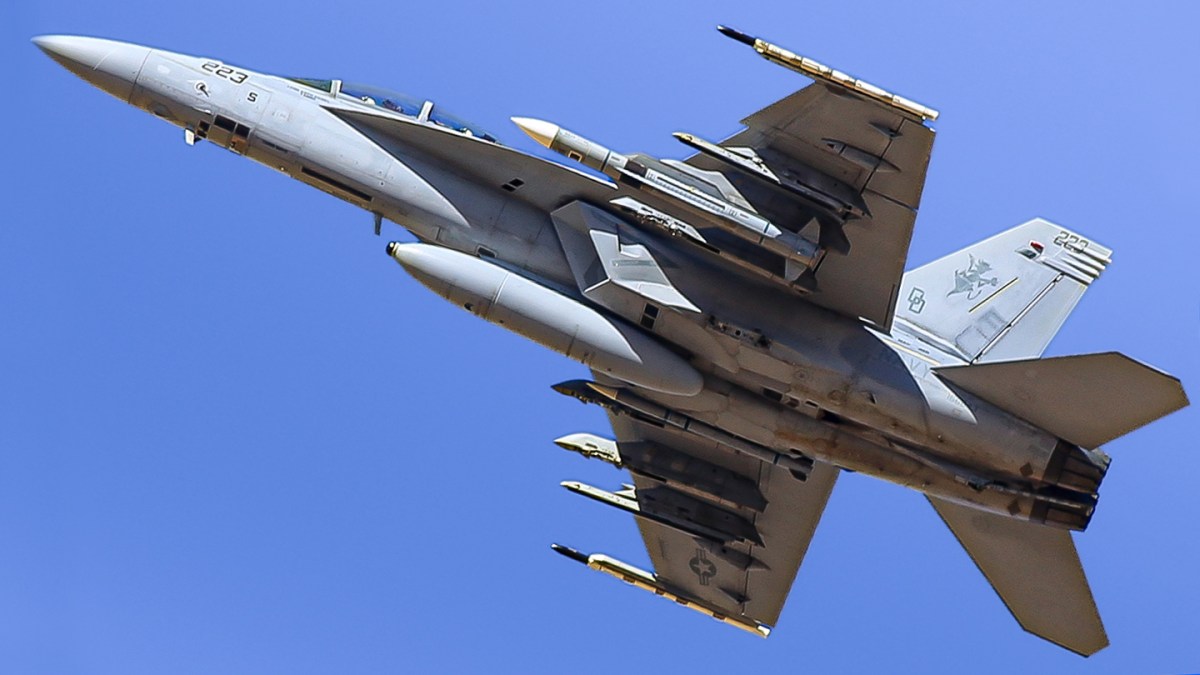
The missing weapon systems officer from a U.S. Air Force F-15E Strike Eagle shot down over Iran has been recovered after what reports described as a high-risk combat search-and-rescue mission in southern Iran. The rescue followed the earlier retrieval of the aircraft’s pilot, meaning both crew members are now back in American hands after separate recoveries deep inside hostile territory.
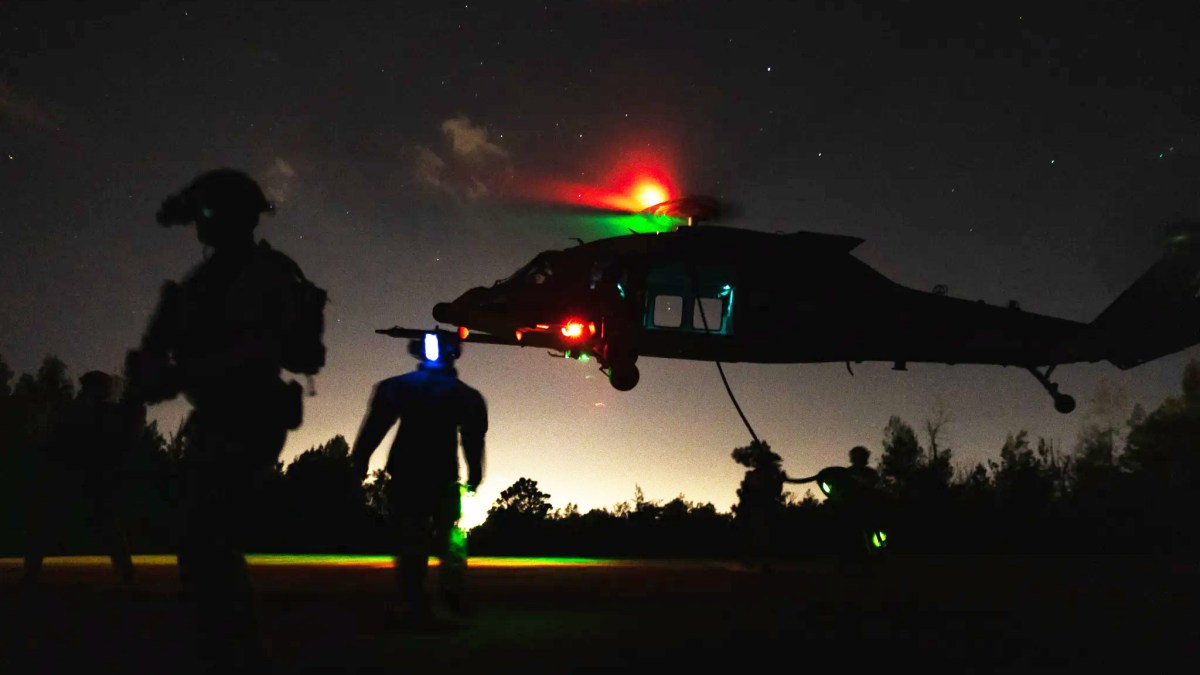
According to the supplied reporting, the operation to extract the second airman unfolded under fire and ended only after a fierce firefight. Two HH-60H Jolly Green II combat search-and-rescue helicopters were reportedly damaged during the mission, and several troops were said to have been injured. Even with those costs, the recovery marks a significant operational achievement: the United States appears to have carried out two separate personnel rescues in enemy territory in rapid succession.
Why this rescue matters
Combat search and rescue is one of the most difficult missions modern militaries attempt. It demands speed, real-time intelligence, air cover, precise coordination, and a willingness to put more personnel at risk to retrieve isolated crews before enemy forces can capture or kill them. The account in the source material underscores just how compressed the timeline was. The rescued officer was described as being behind enemy lines in mountainous terrain while hostile forces closed in.
That urgency explains the scale of the response. President Donald Trump, in a statement quoted in the source text, said the U.S. military sent dozens of aircraft to retrieve the stranded officer. He said the airman had sustained injuries but would recover. The statement also framed the mission as one of the most daring search-and-rescue operations in U.S. military history, emphasizing the political importance Washington attached to recovering the crew.
The rescue also appears to have been managed with unusually tight operational secrecy. Trump’s statement said the first pilot’s rescue had not initially been confirmed because officials did not want to jeopardize the second operation. That detail suggests the United States believed publicity could have affected the odds of success for the still-missing officer.
Signals about the broader air war
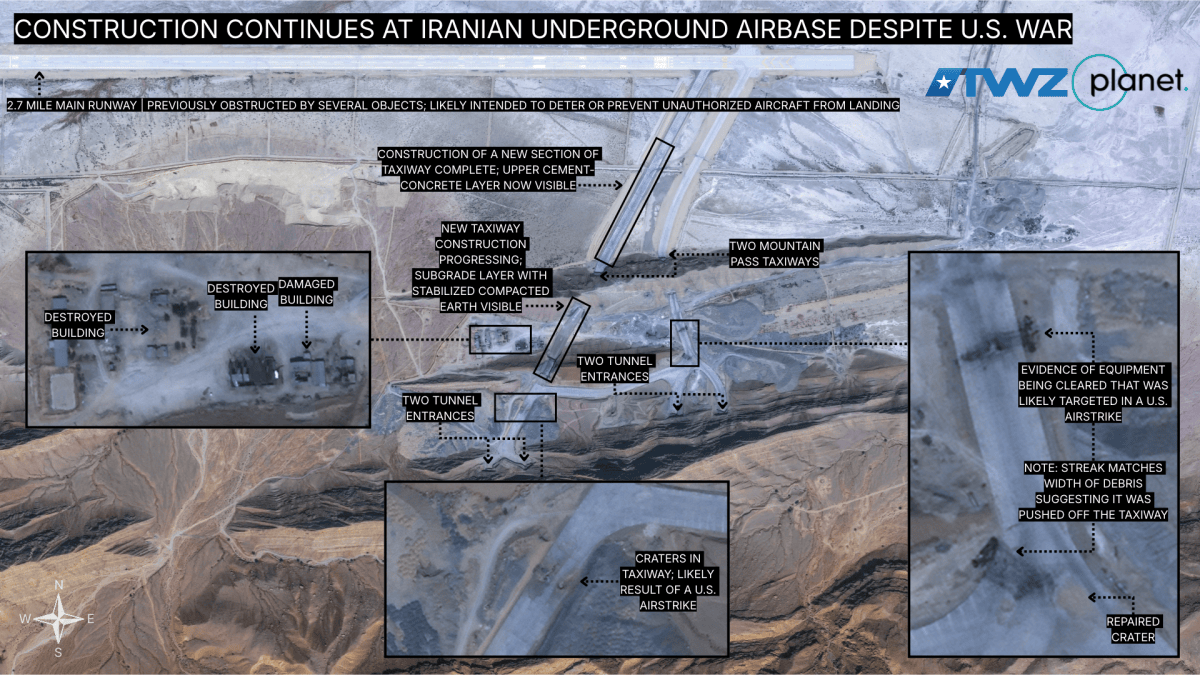
The source material presents the rescue not as an isolated tactical event, but as a measure of how intensely contested the wider conflict has become. A crew rescue inside Iran requires the ability to locate survivors, move recovery aircraft into hostile airspace, protect them long enough to land or extract, and then exit while under threat. Whether or not every official claim holds up, the fact that the operation reportedly succeeded indicates a high degree of U.S. reach and persistence over the battlespace.
At the same time, the details also show that this was not a frictionless mission. Reports of incoming fire, damaged rescue helicopters, and injured personnel point to an environment in which local threats remained potent even if U.S. aircraft could mass over the area. Search-and-rescue missions are often among the clearest reminders that air superiority does not eliminate danger on the ground.
The rescue of both F-15E crew members will likely be studied for what it says about force posture, survivability, and extraction planning. Strike aircraft operating in heavily defended environments rely on a wider system of support: escorts, suppression of enemy defenses, rescue alert forces, and intelligence assets that can track survivors once an aircraft is lost. When any part of that chain fails, isolated personnel can disappear quickly. When it works, the results can carry both strategic and symbolic weight.
Political and military implications
For the Pentagon, recovering both crew members limits the intelligence and propaganda risks that would have come with capture. For the White House, the mission offers a visible example of resolve and operational competence during a volatile confrontation with Iran. For service members, it reinforces a message central to military morale: crews sent into danger expect that an extraordinary effort will be made to bring them home.
That expectation matters because rescue doctrine is not just humanitarian. It shapes battlefield behavior. Aircrews fly differently, planners accept risk differently, and commanders make different decisions when they believe recovery forces can reach downed personnel. Successful rescues sustain that confidence; failed ones can erode it.
Still, the operation may also sharpen debate over how much risk should be accepted to recover isolated personnel during high-end conflict. The source text indicates that additional aircraft and rescue forces were exposed to enemy fire during the mission. That tradeoff is built into combat rescue from the start: one loss can rapidly produce a much larger and more complex operation.
What comes next
The immediate crisis appears to have ended with both crew members recovered, but key questions remain beyond the supplied material. The available reporting does not fully explain how the F-15E was shot down, what systems were used against it, or how the two crew members became separated in the rescue timeline. Those details will shape how this episode is understood inside military circles.
What is already clear is that the rescue has become one of the defining operational stories of the moment. A U.S. fighter crew was lost over hostile territory. Both members were subsequently recovered in separate operations. The second extraction reportedly required a major air-supported effort and close combat under fire. In modern warfare, that combination of risk, speed, and visibility is rare enough to stand out even before the full record is known.
- Both F-15E crew members were reportedly rescued in separate operations inside Iran.
- The second recovery involved a combat search-and-rescue mission under fire.
- Reports said rescue helicopters were damaged and several troops were injured.
- The operation underscores the value and cost of personnel recovery in high-threat air wars.
This article is based on reporting by twz.com. Read the original article.
Originally published on twz.com