
La GAO estime que des décisions séparées selon les services nuisent à un effort hypersonique commun
Un nouvel avertissement du Government Accountability Office braque un nouveau projecteur sur l’un des programmes de missiles les plus ambitieux du Pentagone. Dans un rapport publié le 17 juillet, l’organisme de contrôle a indiqué que l’Armée de terre et la Marine ne disposent toujours pas d’une stratégie d’investissement unifiée pour leurs efforts d’armes hypersoniques étroitement liés, alors même que les deux services s’appuient sur des capacités industrielles qui se chevauchent, un composant de missile commun et un plan de dépenses combiné évalué à plus de 50 milliards de dollars.
La préoccupation ne se limite pas à une simple duplication bureaucratique. Selon le rapport, la planification séparée contribue déjà à des inefficacités, à des tensions sur la production et à des dérapages de calendrier dans des programmes censés fournir une option de frappe conventionnelle à longue portée pour les forces terrestres et navales. L’Armée de terre développe la Long-Range Hypersonic Weapon lancée depuis le sol, également appelée Dark Eagle. La Marine construit sa capacité Conventional Prompt Strike pour un déploiement d’abord sur les destroyers de classe Zumwalt, puis sur certains sous-marins de classe Virginia. L’Armée de terre est également responsable de la production du corps planeur utilisé par les deux efforts, ce qui rend les deux programmes plus interdépendants que ne le suggèrent leurs structures de gestion séparées.
Le message central de la GAO est limpide: la coordination existe, mais ce n’est pas la même chose qu’une stratégie commune. Des responsables ont déclaré à l’organisme de contrôle que les services travaillent bien ensemble, mais le rapport a constaté que les décisions d’investissement restent largement gérées en parallèle. Cela compte, car les deux programmes s’appuient sur la même base industrielle tout en poursuivant des calendriers de déploiement exigeants et des travaux de modernisation coûteux.
Une filière de missiles partagée se heurte à des limites concrètes
Le rapport souligne à quelle vitesse ces limites deviennent visibles. Le stock prévu par le Pentagone est de 224 missiles, chaque engin devant coûter des dizaines de millions de dollars. Cela place déjà le programme parmi les efforts de frappe conventionnelle les plus coûteux du Département de la Défense. Mais l’avertissement plus large est que le système de production pourrait ne pas être en mesure de soutenir ces ambitions au rythme souhaité par les responsables.
La GAO a indiqué que le programme Conventional Prompt Strike fait face à des problèmes de qualité et de fabrication qui affaiblissent sa capacité à atteindre les objectifs annuels de production. La cible actuelle est de 12 missiles par an. L’organisme de contrôle a constaté que l’entrepreneur principal Lockheed Martin n’a la capacité de produire qu’environ six à sept missiles par an, aux coûts et rythmes attendus. Cet écart est stratégiquement important, car l’Armée de terre et la Marine ne poursuivent pas des armes isolées avec des chaînes d’approvisionnement distinctes. Elles se disputent en pratique le débit au sein d’une même filière contrainte.
Lorsque cela se produit, le risque de calendrier dans une partie du système peut se propager au reste du portefeuille. Un retard dans la production du corps planeur, l’intégration du lanceur ou la modernisation d’un navire ne reste pas proprement contenu dans une seule ligne budgétaire d’un service. Il peut modifier les hypothèses de mise en service dans les deux programmes. C’est la conséquence pratique de l’appel de la GAO à une approche plus unifiée: si l’acquisition, la modernisation et la planification industrielle restent fragmentées, le Pentagone pourrait continuer à payer pour la simultanéité sans gagner en vitesse.
Les retards de la Marine testent déjà la crédibilité du programme
La partie Marine de l’effort offre la preuve la plus nette des inquiétudes de la GAO. Le service modifie les trois destroyers de classe Zumwalt pour qu’ils puissent emporter des missiles Conventional Prompt Strike grâce à un nouveau système de lancement vertical. Mais le rapport indique que ces travaux accusent déjà environ deux ans de retard.
En janvier 2026, l’USS Zumwalt était achevé à 94 % de ses mises à jour, mais le navire continuait de prendre du retard en raison de travaux décrits par le rapport comme non planifiés. Les essais en vol de cette capacité embarquée sur destroyer étaient initialement prévus en 2025, mais cette étape a désormais été repoussée à 2027 en raison de problèmes de financement et d’essais.
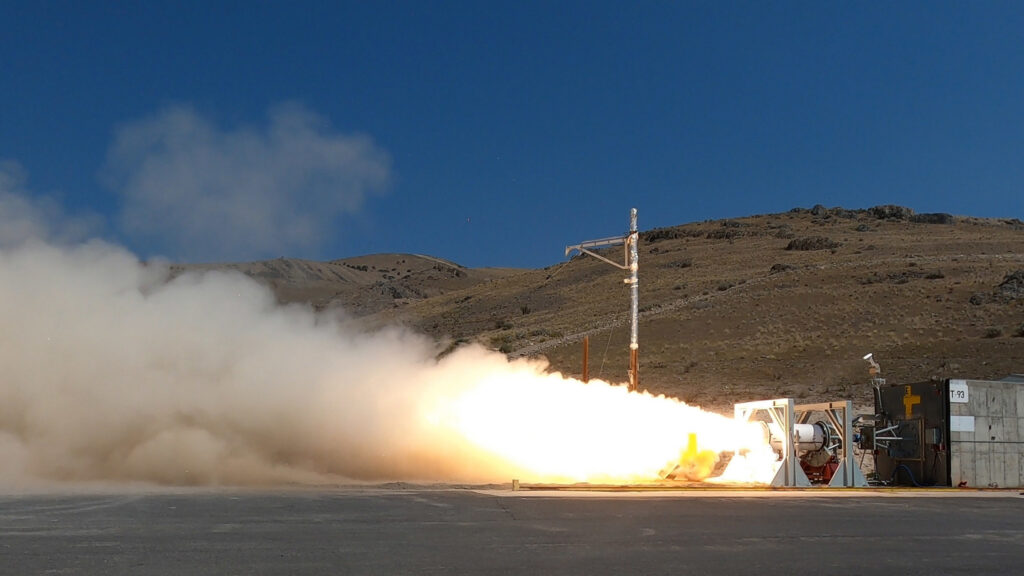
Ces retards comptent pour des raisons qui vont au-delà d’une seule classe de navires. La conversion du Zumwalt est censée montrer que la Marine peut déployer une arme de frappe hypersonique conventionnelle depuis la flotte. Si la plateforme de tête prend du retard, tout l’argument en faveur d’un déploiement naval plus large s’en trouve affaibli, surtout lorsque les plans ultérieurs prévoient d’adapter le système à certains sous-marins de classe Virginia. Autrement dit, les revers de modernisation sur trois destroyers pourraient influer sur la rapidité avec laquelle la Marine peut transformer un programme de développement en capacité opérationnelle.
La formulation de la GAO suggère aussi un problème d’acquisition plus profond. La Marine ne fait pas que intégrer un nouveau missile dans un navire existant avec des marges prévisibles. Elle tente de rétrofiter une plateforme complexe pour une arme encore en maturation, tout en dépendant d’une base de production déjà sous pression. Cette combinaison de travaux de chantier naval, de développement de missile et de production contrainte explique pourquoi le rapport insiste sur une planification à l’échelle de l’ensemble de la filière plutôt que sur des correctifs plus limités.
Pourquoi la question stratégique est importante maintenant
Les armes hypersoniques restent une priorité parce qu’elles promettent des vitesses très élevées, une longue portée et la capacité de pénétrer des cibles défendues avec moins de temps d’alerte que les missiles traditionnels. Pour le Pentagone, cela en fait à la fois un outil de dissuasion et une réponse aux progrès des concurrents. Mais l’ambition technique n’annule pas l’arithmétique de l’acquisition. Une arme qui arrive en retard, en quantités limitées et à des cadences de production inférieures aux prévisions peut malgré tout laisser un vide dans la structure des forces, même si la technologie de base réussit.
C’est pourquoi l’avertissement de la GAO porte moins sur l’importance stratégique des armes hypersoniques que sur la question de savoir si le Pentagone organise l’effort d’une manière cohérente avec ses propres objectifs. L’Armée de terre et la Marine sont liées par des composants communs et des fournisseurs qui se chevauchent. Elles demandent aussi à la base industrielle de monter en puissance sur une famille de missiles coûteuse et techniquement exigeante alors que l’intégration des plateformes n’est pas terminée. Dans cet environnement, des décisions séparées selon les services peuvent créer des frictions gérables dans un programme moins interdépendant, mais coûteuses dans celui-ci.
Le rapport n’affirme pas que le Pentagone manque d’engagement. Au contraire, les dépenses prévues soulignent l’inverse. Ce qu’il remet en cause, c’est l’idée qu’un engagement sans gouvernance unifiée suffise. Plus d’argent ne résout pas automatiquement les problèmes de coordination et, dans certains cas, peut les masquer jusqu’à ce que les retards et les déficits de production deviennent plus difficiles à corriger.
Et ensuite
L’importance immédiate du rapport de la GAO est qu’il ajoute une pression formelle pour que le Pentagone traite Conventional Prompt Strike et la Long-Range Hypersonic Weapon comme les éléments d’un seul problème stratégique de production, et non comme de simples programmes de service apparentés. Cela pourrait influencer les futures décisions d’investissement, la supervision des acquisitions et les attentes quant à la vitesse à laquelle l’armée peut passer des jalons de développement à des stocks déployables.
Pour l’instant, la leçon la plus claire est que la poussée hypersonique du Pentagone n’est plus jugée uniquement sur les essais ou les gros chiffres budgétaires. Elle est de plus en plus évaluée à l’aune de la capacité de la structure sous-jacente du programme à soutenir un déploiement réel à grande échelle. La conclusion de la GAO est que l’organisation actuelle n’est pas encore assez solide. Sans stratégie unifiée, le Département de la Défense risque de consacrer plus de temps et d’argent pour obtenir moins de missiles, plus tard que prévu, dans l’un de ses portefeuilles de frappe conventionnelle les plus visibles.
Cet article s’appuie sur le reportage de Breaking Defense. Lire l’article original.
Originally published on breakingdefense.com