Le grand drone tiltrotor chinois atteint une nouvelle phase d’essais
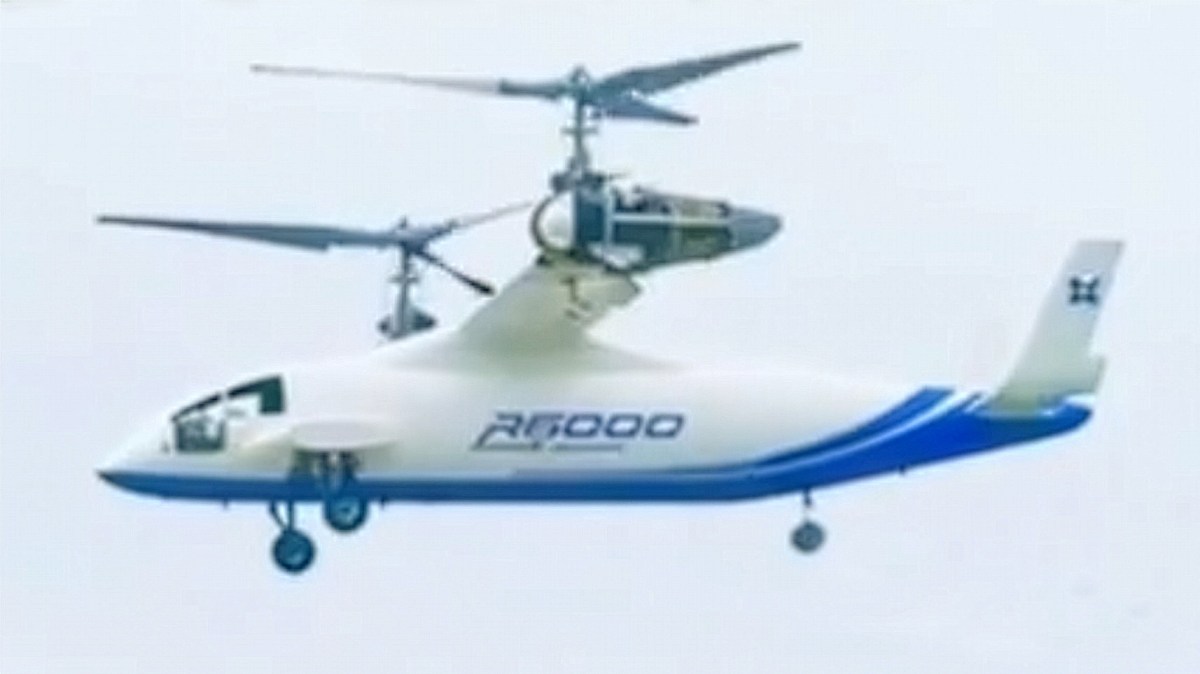
L’aéronef tiltrotor sans pilote R6000 de la Chine semble être entré en essais en vol complets, selon une vidéo apparue récemment et citée par The War Zone. Les images montreraient l’appareil en vol sans amarrage en vol vertical, effectuant un virage en stationnaire, puis poursuivant en vol vers l’avant avec ses deux proprotors entièrement basculés. Il s’agit d’une avancée significative par rapport aux essais de vol stationnaire amarré observés auparavant et cela suggère que le programme est passé à une étape plus exigeante de sa campagne d’évaluation.
Cette étape compte parce que les tiltrotors figurent parmi les types d’aéronefs les plus difficiles à développer. Ils doivent combiner la portance verticale d’un hélicoptère et le vol vers l’avant d’un avion, ce qui crée des problèmes aérodynamiques et de contrôle de vol exigeants, en particulier lors des transitions entre modes. Dans ce contexte, le simple fait de maintenir un vol sans amarrage n’est pas un test routinier. C’est la preuve que l’aéronef, le système de propulsion et le logiciel de vol fonctionnent ensemble suffisamment bien pour soutenir une enveloppe d’essais plus large.
Le R6000 a déjà retenu l’attention en raison de sa ressemblance avec le MV-75A Cheyenne II de Bell, une conception tiltrotor américaine de deuxième génération. La comparaison importe moins que la tendance sous-jacente qu’elle met en évidence: plusieurs grandes puissances investissent dans des aéronefs qui promettent plus de vitesse et de rayon d’action que les hélicoptères tout en conservant l’accès à des sites austères. Si le R6000 devient un système opérationnel, il pourrait offrir à l’Armée populaire de libération une option supplémentaire pour des missions exigeant un décollage vertical mais bénéficiant d’une portée accrue et d’un redéploiement plus rapide.
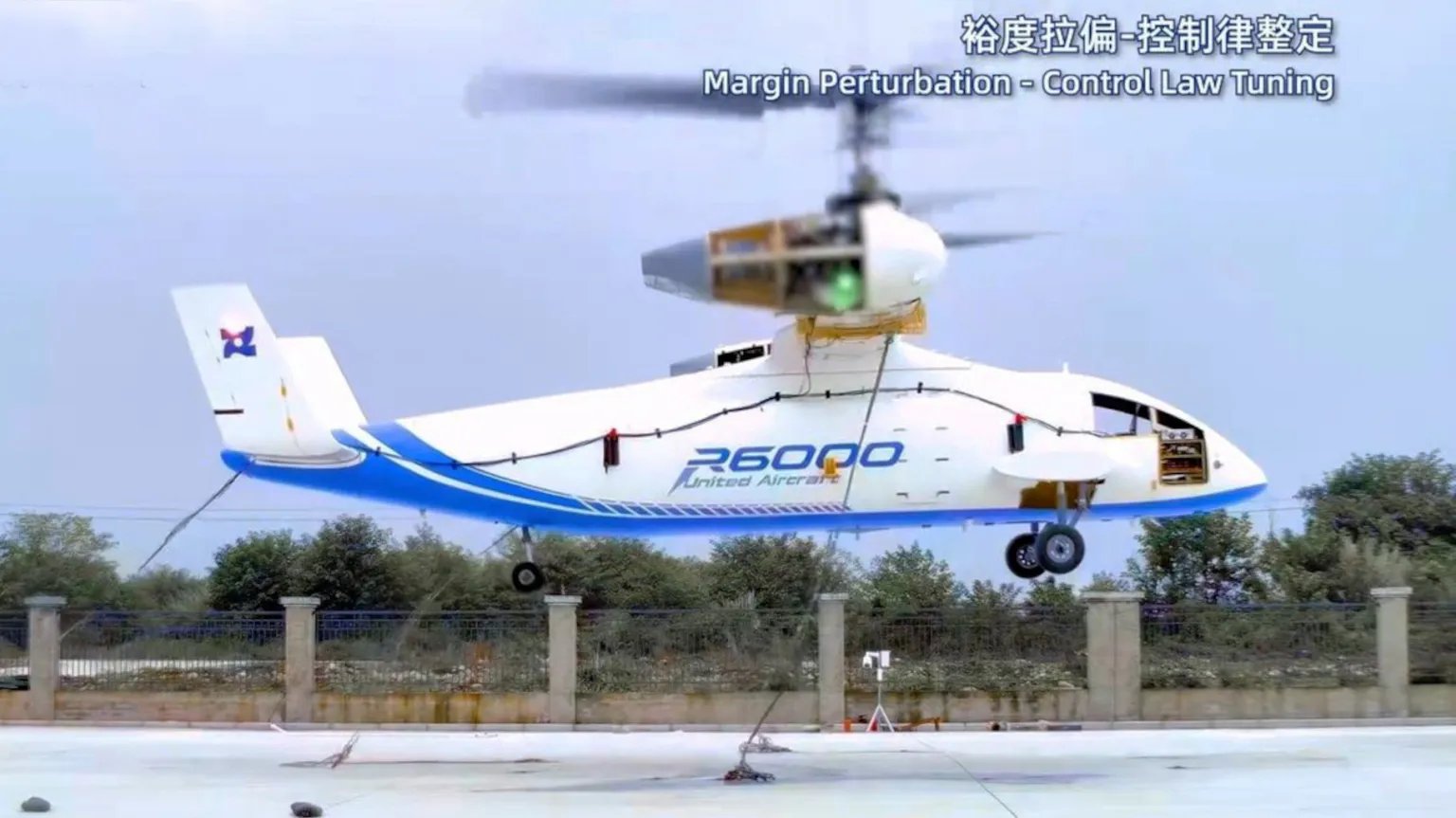
Le texte source disponible ne fournit pas un profil technique complet de l’aéronef, mais il met en avant plusieurs choix de conception notables. Comme le MV-75, le R6000 utilise des nacelles moteurs fixes avec des proprotors articulés. Cela diffère de l’architecture de première génération du V-22 Osprey, où l’ensemble de la nacelle pivote. La distinction n’est pas cosmétique. Elle reflète une approche d’ingénierie différente de la manière dont le matériel tiltrotor gère la conversion entre vol stationnaire et croisière, et peut influencer la maintenance, la répartition des masses et les qualités de pilotage.
L’apparition de la vidéo élargit également l’histoire au-delà d’une seule cellule. Les images précédentes montraient seulement une capacité de base en vol stationnaire dans des conditions amarrées. Le vol stationnaire sans amarrage, le lacet contrôlé sur place et le mouvement avant soutenu indiquent un programme qui commence à démontrer une maniabilité pratique plutôt que de simplement prouver que la machine peut quitter le sol. Même sans chiffres de performance officiels, la progression elle-même est révélatrice.
Il existe aussi des implications opérationnelles plus larges. The War Zone note que l’aéronef pourrait intéresser à la fois des opérateurs militaires et civils. C’est plausible, car de grands tiltrotors sans pilote pourraient soutenir des missions logistiques, le réapprovisionnement de zones difficiles d’accès, le soutien maritime ou d’autres missions où l’indépendance vis-à-vis des pistes est précieuse. Pour les planificateurs militaires, un tiltrotor lourd sans pilote réussi pourrait être particulièrement attrayant dans des opérations distribuées, où la capacité à déplacer rapidement des cargaisons ou des capteurs sans terrain préparé prend une importance croissante.
Dans le même temps, une étape d’essai ne doit pas être confondue avec une mise en service imminente. Les tiltrotors ont une longue histoire de complexité, de revers et de mise au point prolongée. Le texte source renvoie explicitement au parcours difficile du V-22 au fil des années pour rappeler que le passage de démonstrations prometteuses à un service fiable est un processus long. Beaucoup dépend désormais de ce que la Chine révélera ensuite: charge utile, rayon d’action, endurance, comportement en transition et stabilité de l’aéronef sur une enveloppe d’essais plus large.
Pour l’instant, la signification est claire. La Chine semble avoir fait passer son R6000 d’un stationnaire contraint à de véritables essais en vol libre. Dans les programmes aérospatiaux avancés, c’est l’étape où un concept intéressant commence à affronter la question la plus difficile: peut-il devenir une capacité exploitable?
Cet article est basé sur un reportage de twz.com. Lire l’article original.
Originally published on twz.com