BETA amène sa plateforme ALIA sur le marché des drones cargo militaires
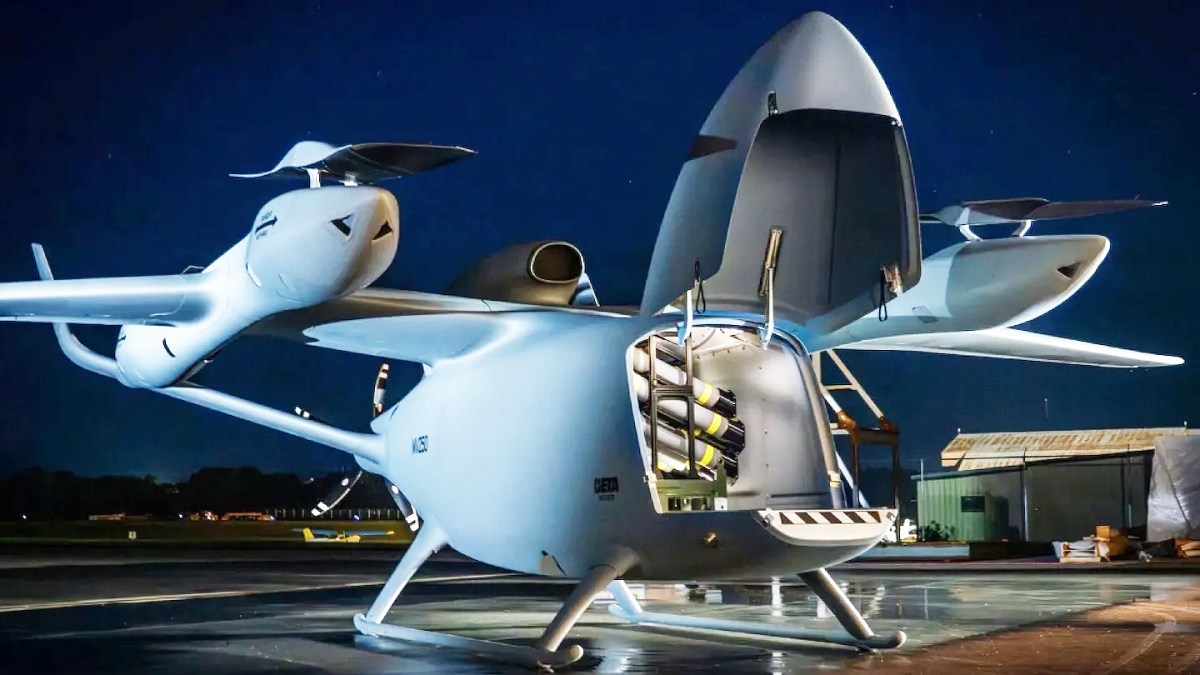
BETA Technologies a dévoilé un nouvel aéronef sans pilote destiné avant tout à la logistique militaire et aux opérations distribuées. Baptisé MV250, ce drone cargo à décollage et atterrissage vertical hybride-électrique a été présenté en avant-première au Farnborough International Airshow 2026, en Angleterre, où l’entreprise l’a décrit comme une plateforme conçue pour transporter du fret, déployer des effets lancés par air et prendre en charge un éventail croissant de missions de défense.
L’appareil constitue une adaptation militaire du design eVTOL ALIA 250 de BETA, qui, dans sa version habitée, peut emporter cinq passagers ou une charge équivalente, ainsi qu’un pilote. Dans la version militaire, BETA recentre cette architecture de base sur l’autonomie, la manutention du fret et la flexibilité des missions.
Le calendrier compte. Les forces armées des États-Unis et des pays alliés manifestent un intérêt croissant pour des aéronefs capables d’approvisionner des unités dispersées, de réduire l’exposition des appareils pilotés et d’opérer depuis des sites austères. Le MV250 s’inscrit dans ce débat en tant que plateforme hybride-électrique, et non comme un rotorcraft conventionnel ou un transport à voilure fixe.
Ce que BETA dit de l’usage de l’appareil
Selon le texte source fourni par The War Zone, le MV250 est principalement destiné au transport de fret. La cargaison est chargée et déchargée par un capot de nez à ouverture vers le haut, un choix de conception cohérent avec sa fonction logistique et avec la configuration d’accès frontal caractéristique de la famille ALIA. L’appareil est également présenté pour l’évacuation sanitaire et l’évacuation de blessés, ainsi que pour des missions de renseignement, de surveillance et de reconnaissance.
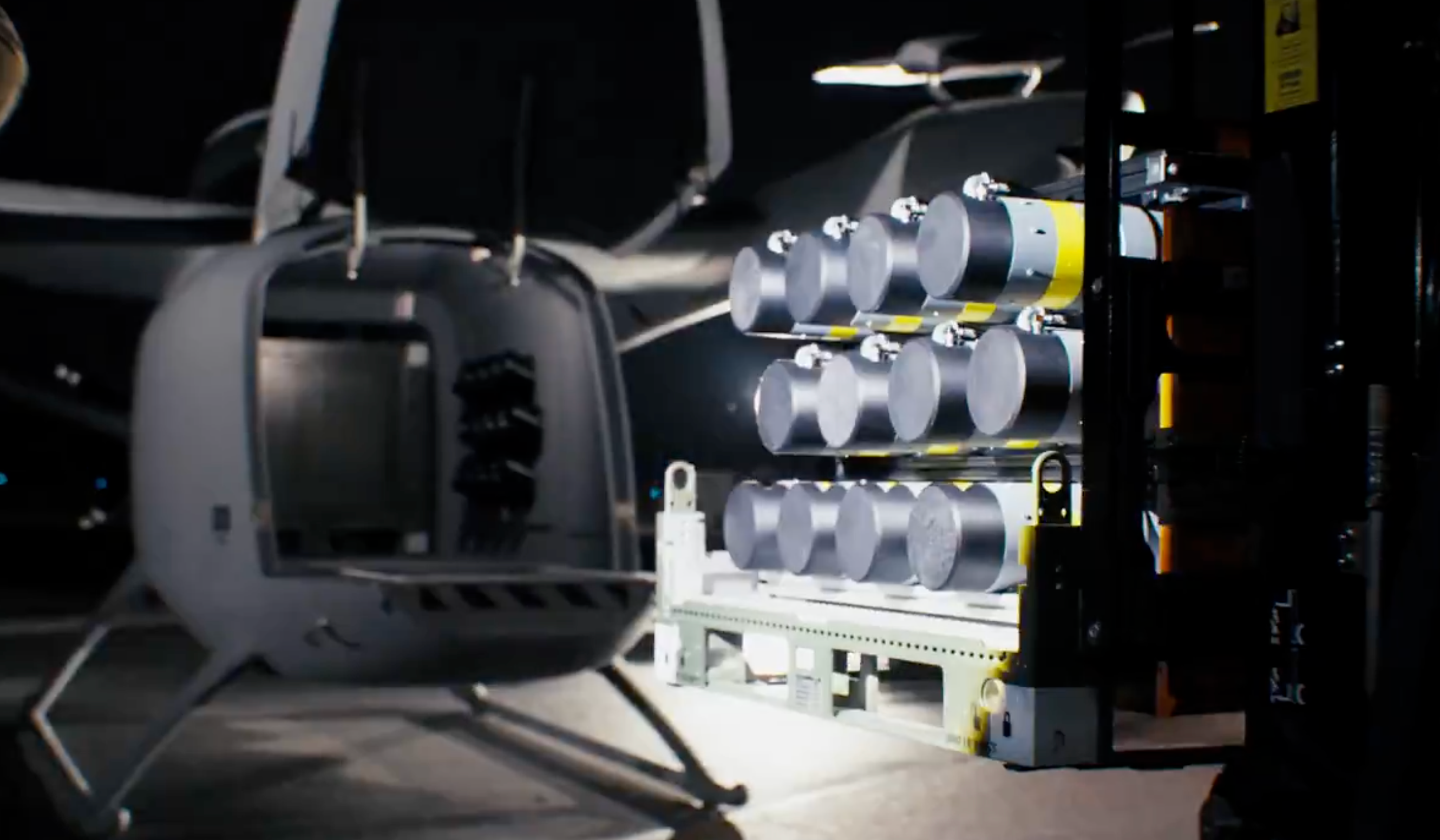
L’un des ajouts les plus notables est un ensemble de tubes de lancement latéraux pour des effets lancés par air, ou ALE. Cela donne à la plateforme un rôle qui dépasse le simple transport de ravitaillement. En principe, elle pourrait aussi servir de porteur mère pour des systèmes sans pilote plus petits, notamment des drones de surveillance et des munitions rôdeuses, selon l’évolution du concept et les charges utiles intégrées.
Cet axe de conception est important, car les planificateurs de défense recherchent de plus en plus des plateformes capables de remplir plusieurs fonctions. Un véhicule capable d’acheminer des fournitures sur une sortie puis de déployer des systèmes autonomes plus petits sur une autre offre une proposition plus souple qu’un aéronef à usage unique, surtout dans des environnements d’exploitation dispersés ou contestés.
L’ambition hybride-électrique confrontée aux réalités des performances annoncées
Le fondateur et PDG de BETA, Kyle Clark, a déclaré que la physique de base du MV250 permet un rayon d’action nettement plus long, une vitesse plus élevée et un coût d’exploitation plus faible que les tiltrotors et les plateformes héritées. Ce type d’affirmation est susceptible d’attirer l’attention dans les cercles d’acquisition militaire, où l’endurance, la réactivité et le coût par mission comptent.
Mais le texte source y ajoute immédiatement une note de scepticisme. The War Zone rapporte que l’affirmation selon laquelle l’appareil dépasserait les performances des tiltrotors ne correspond pas aux chiffres publiés. Cette réserve est importante, car elle distingue l’annonce d’un simple argumentaire de fabricant. L’aéronef peut rester pertinent sur le plan opérationnel, mais son langage marketing ne doit pas être considéré comme un fait de performance établi.
Cette tension est fréquente dans l’aviation militaire émergente. Les entreprises présentent souvent de nouveaux aéronefs comme des systèmes appelés à définir une catégorie, tandis que les analystes et les publications spécialisées vérifient ces déclarations à l’aune de spécifications connues et de plateformes comparables. Dans ce cas, l’écart entre le discours de BETA et l’évaluation de la source suggère qu’il faut comprendre le MV250 comme un concept sérieux entrant dans un marché concurrentiel, et non comme un remplaçant éprouvé des catégories d’aéronefs établies.
Ce qui a réellement été montré à Farnborough
Selon BETA Technologies, le véhicule exposé statiquement à Farnborough n’avait pas volé, bien qu’il ait été décrit comme construit avec des “composants entièrement volables”. Ce détail compte, car les présentations publiques peuvent brouiller la frontière entre prototype fonctionnel, démonstrateur technologique et maquette de conception. Le texte source indique que le MV250 se situe quelque part entre le concept et le prototype opérationnel : un aéronef tangible assemblé à partir d’éléments réels capables de voler, mais qui n’a pas encore été démontré dans l’air dans la forme présentée.
Cela ne rend pas le dévoilement anodin. Les programmes aérospatiaux de défense utilisent souvent les grands salons aéronautiques pour signaler une orientation, évaluer l’intérêt du marché et cadrer de futures discussions avec d’éventuels clients militaires. Farnborough, en particulier, est un lieu où l’aérospatiale commerciale et la défense se recoupent de plus en plus. Un aéronef cargo sans pilote hybride-électrique basé sur une lignée eVTOL existante s’inscrit dans cette tendance.
Pourquoi le rôle de drone cargo attire de plus en plus l’attention
La logique militaire derrière des appareils comme le MV250 est simple. Les opérations modernes mettent de plus en plus l’accent sur la répartition, la mobilité et la résilience. Des unités dispersées sur de plus vastes zones ont besoin de ravitaillement sans dépendre exclusivement de convois routiers vulnérables ou d’aéronefs pilotés. Les plateformes cargo sans pilote promettent de réduire les risques pour le personnel tout en continuant à acheminer munitions, fournitures médicales, équipements et autres charges critiques.
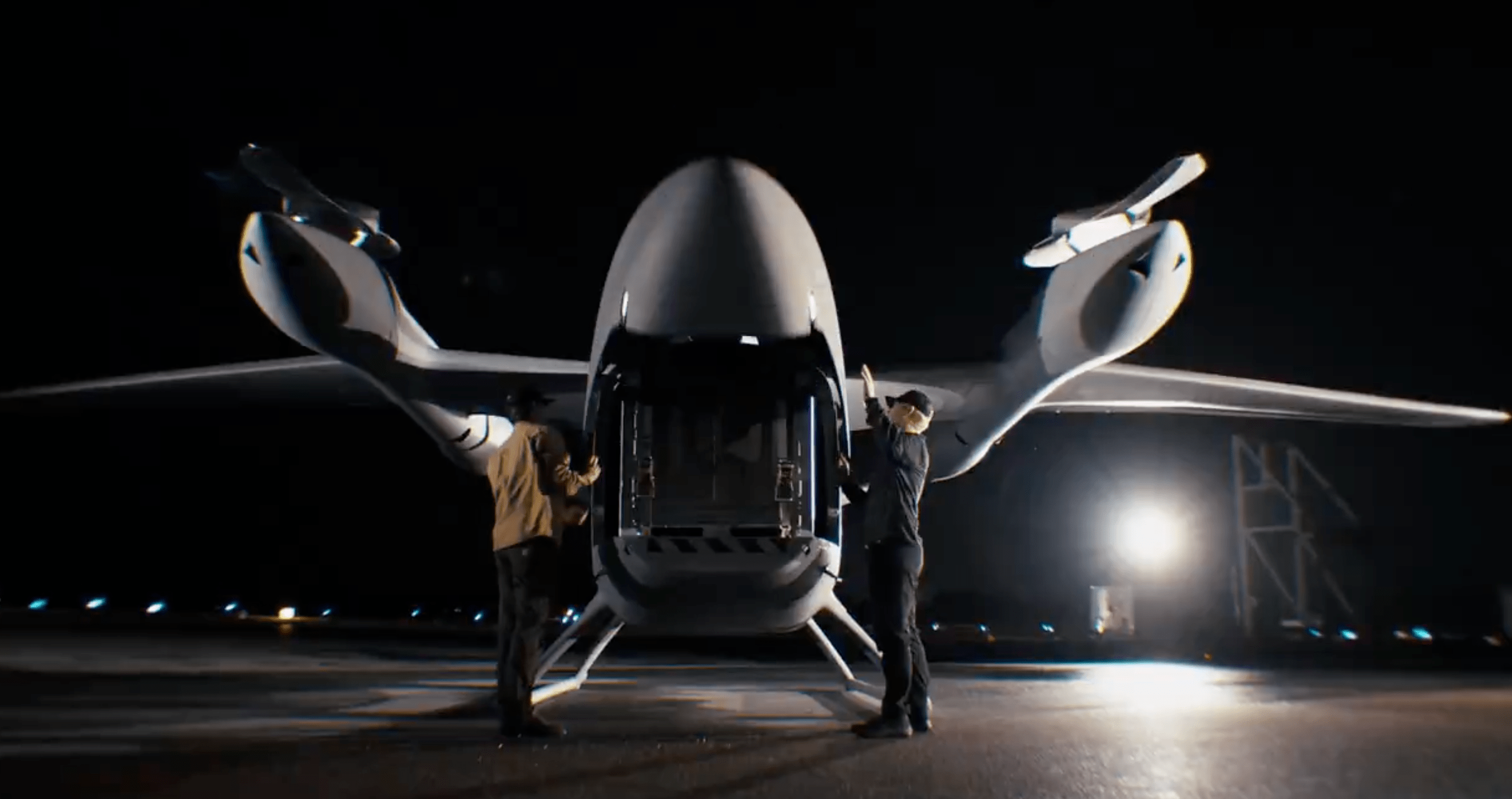
L’ajout d’effets lancés par air élargit cette proposition de valeur. Un drone cargo capable de déployer aussi des systèmes plus petits commence à faire le pont entre logistique et effets tactiques, une combinaison qui intéresse les forces à la recherche d’actifs autonomes multifonctionnels. Le texte source note que Sikorsky promeut une idée similaire avec son U-Hawk sans pilote, lui aussi conçu comme porteur de dizaines d’ALE, tels que des drones de reconnaissance et des munitions rôdeuses.
Cette comparaison place le MV250 au sein d’une tendance de conception visible, plutôt que comme une expérience isolée. Les entreprises ne construisent pas seulement des aéronefs autonomes ; elles cherchent à définir la manière dont ces appareils s’intègrent aux réseaux futurs du champ de bataille.
Une adaptation d’une cellule connue, pas un mystère conçu de zéro
Autre raison pour laquelle le MV250 se distingue : il n’est pas lancé comme une architecture aéronautique totalement inconnue. En adaptant l’ALIA 250, BETA peut soutenir qu’elle s’appuie sur une plateforme déjà établie plutôt que de repartir de zéro. Cela peut compter pour les essais, la stratégie de certification, la fabrication et la confiance des clients, même si l’application militaire introduit un ensemble de missions très différent.
La configuration hybride-électrique est également au cœur de la proposition. La réduction du coût d’exploitation revient souvent dans l’annonce, et l’hybridation est généralement présentée comme un moyen d’étendre le rayon d’action au-delà de ce qu’une aeronave entièrement électrique à batterie pourrait atteindre, tout en conservant certains gains d’efficacité. Reste à savoir si cela se traduira par des avantages décisifs sur le terrain, ce qui dépendra des performances, de la maintenabilité, de la charge utile et de l’économie réelle de mission, autant d’aspects qui exigeront davantage de preuves qu’un dévoilement en salon aéronautique.
Un nouvel entrant notable, mais la preuve reste à venir
Le MV250 doit être compris comme un nouvel entrant crédible sur le marché des drones cargo militaires et des aéronefs de soutien autonomes, mais pas encore comme un système opérationnel validé. Son cahier des charges est large, sa lignée de conception est reconnaissable et sa combinaison de transport de fret avec le déploiement d’ALE s’inscrit dans la trajectoire de l’autonomie militaire. Dans le même temps, les affirmations de performance les plus ambitieuses restent à vérifier, et l’aéronef exposé à Farnborough n’avait pas encore volé dans la forme présentée.
Le MV250 entre ainsi dans une catégorie familière mais importante de la technologie de défense : une plateforme qui reflète une demande réelle, un effort d’ingénierie réel et un intérêt stratégique réel, tout en devant encore faire ses preuves au-delà d’une exposition statique. Pour l’instant, BETA a établi qu’elle veut une place dans la prochaine génération de logistique militaire et de soutien aérien sans pilote. La prochaine étape consistera à démontrer que le concept peut tenir ses promesses sur la piste et sur le terrain, pas seulement sur le stand du salon.
Cet article est basé sur un reportage de twz.com. Lire l’article original.
Originally published on twz.com