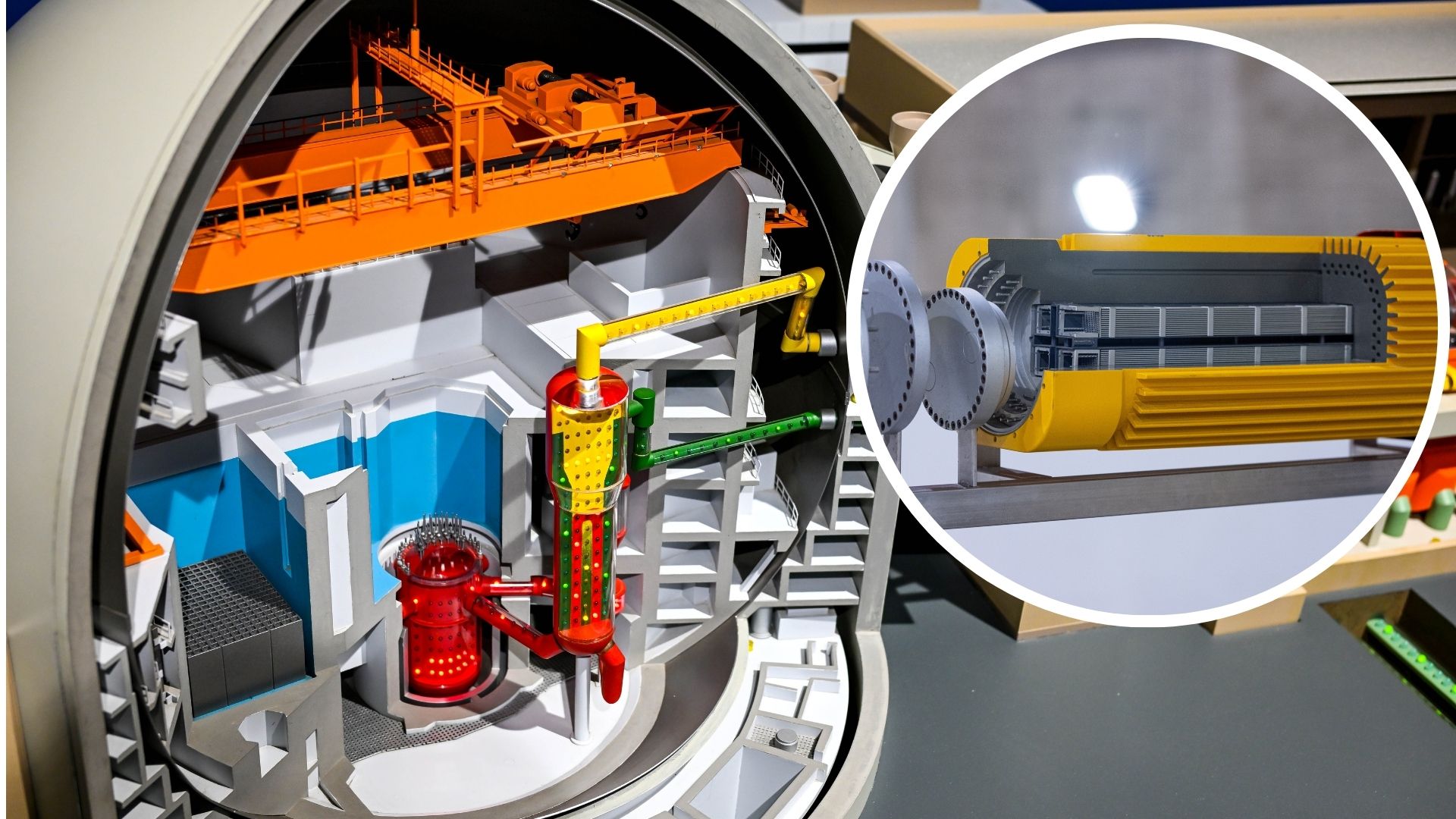
Une étape importante dans le développement des énergies nucléaires avancées
Oklo Inc., la société californienne d'énergie nucléaire avancée, a atteint une étape réglementaire importante : le Département américain de l'énergie a approuvé un Accord de conception de sécurité nucléaire pour le réacteur d'essai des isotopes Groves, une installation développée par Atomic Alchemy, la filiale entièrement détenue d'Oklo. L'approbation, effectuée en vertu du Programme pilote de réacteurs du DOE, autorise l'entreprise à progresser vers des travaux de conception de sécurité détaillés — la phase technique qui comble le développement conceptuel et l'autorisation de construction.
L'accord marque une étape concrète dans les efforts d'Oklo pour établir une capacité de production d'radioisotopes domestiques. Les radioisotopes — versions radioactives d'éléments comme le technetium, le lutetium et l'actinium — sont des composantes critiques de la médecine nucléaire, utilisées pour les applications d'imagerie et thérapeutiques. Ils sont également utilisés dans la recherche, les essais de matériaux et les applications de sécurité nationale. Les États-Unis dépendent actuellement largement des fournisseurs étrangers pour de nombreux radioisotopes médicalement importants, une vulnérabilité de la chaîne d'approvisionnement qui a suscité des préoccupations bipartites au Congrès.
Que signifie l'approbation du NSDA
Un Accord de conception de sécurité nucléaire est un engagement formel entre le DOE et un développeur de réacteur établissant le cadre de sécurité selon lequel le réacteur sera conçu. Plutôt que la voie traditionnelle de licencia de la Commission de réglementation nucléaire, qui s'applique aux réacteurs de puissance commerciale, le Programme pilote de réacteurs du DOE fournit une voie d'autorisation alternative spécifiquement conçue pour les concepts de réacteur innovants développés en partenariat avec le département.
L'approbation du NSDA signifie qu'Oklo peut maintenant soumettre une analyse préliminaire de sécurité documentée — un document technique détaillé décrivant la conception du réacteur, ses systèmes de sécurité, les dangers qu'il pose et les mesures en place pour prévenir les accidents. Le DOE examinera cette analyse avant d'autoriser un développement supplémentaire. La soumission du PDSA est la prochaine étape formelle du programme.
Jacob DeWitte, cofondateur et PDG d'Oklo, a décrit l'approbation comme un progrès significatif. Dans une déclaration accompagnant l'annonce, il a déclaré : « Cette usine nous aidera à recueillir des données critiques, à affiner nos processus et à appliquer ces leçons aux demandes de licence ultérieures et aux déploiements futurs ».

Le défi de l'approvisionnement en radioisotopes
La justification stratégique du réacteur d'essai des isotopes Groves est centrée sur un problème véritable et croissant : les États-Unis n'ont pas capacité domestique suffisante pour produire la gamme complète de radioisotopes nécessaires à la médecine nucléaire et à la recherche. De nombreux isotopes médicaux critiques sont produits dans un petit nombre de réacteurs de recherche vieillissants au Canada, en Europe et ailleurs — et les perturbations d'approvisionnement, lorsqu'elles se produisent, affectent directement les soins aux patients.
Le technetium-99m, utilisé dans des dizaines de millions de procédures d'imagerie diagnostique annuellement, est produit à partir de molybdenum-99, qui provient presque entièrement d'une poignée de réacteurs en Belgique, aux Pays-Bas et en Afrique du Sud. Une panne importante dans l'une de ces installations se propage à travers le système médical. Le lutetium-177 et l'actinium-225, utilisés dans la radiothérapie ciblée pour les cancers, notamment le cancer de la prostate, sont de plus en plus demandés à mesure que les preuves cliniques de leur efficacité s'accumulent. La capacité de production domestique est limitée, créant des défis d'accès pour les patients et une pression sur l'approvisionnement dans les essais cliniques.
Conception du réacteur d'Oklo
Oklo est principalement connue en tant que développeur de petits réacteurs de fission avancés — des systèmes compacts utilisant des neutrons rapides et des caloporteurs à métaux liquides qui diffèrent fondamentalement des réacteurs à eau légère qui dominent l'énergie nucléaire commerciale. Le réacteur d'essai des isotopes Groves exploite l'expertise en conception de réacteurs d'Oklo dans une application spécialisée axée sur la production d'isotopes plutôt que la génération d'électricité.
L'installation est conçue comme une plateforme de test et de démonstration — générant des données opérationnelles et une expérience réglementaire qui informeront les déploiements futurs de production d'isotopes à l'échelle commerciale. En fonctionnant selon le Programme pilote de réacteurs du DOE, Oklo peut poursuivre l'installation d'isotopes selon un calendrier potentiellement plus rapide que le chemin de licencia commerciale NRC ne le permet, tirant parti de l'intérêt du DOE à démontrer les technologies de réacteurs avancés sur les terres fédérales.

La Renaissance nucléaire plus large
Le progrès d'Oklo avec le réacteur d'essai des isotopes Groves est un fil dans une résurgence plus large d'intérêt pour l'énergie nucléaire avancée. La demande croissante d'électricité des centres de données et de l'infrastructure AI, combinée à l'impératif de réduire les émissions de carbone, a conduit les grandes entreprises technologiques et les investisseurs en énergie à parier sur l'énergie nucléaire avancée comme source d'énergie évolutive et sans carbone.
L'intersection de l'énergie nucléaire et des applications médicales représente une dimension différente de la renaissance nucléaire — une axée non sur l'électricité mais sur les isotopes uniques que seuls les réacteurs nucléaires peuvent produire efficacement à l'échelle. Les deux dimensions partagent le défi commun de naviguer dans un environnement réglementaire qui a été conçu pour une génération antérieure de technologie nucléaire et s'adapte maintenant aux innovations qui diffèrent fondamentalement de ce pour quoi les règles ont été écrites.
Cet article est basé sur des rapports d'Interesting Engineering. Lire l'article original.
Originally published on interestingengineering.com