Les batteries de véhicules électriques ont une seconde vie en usine
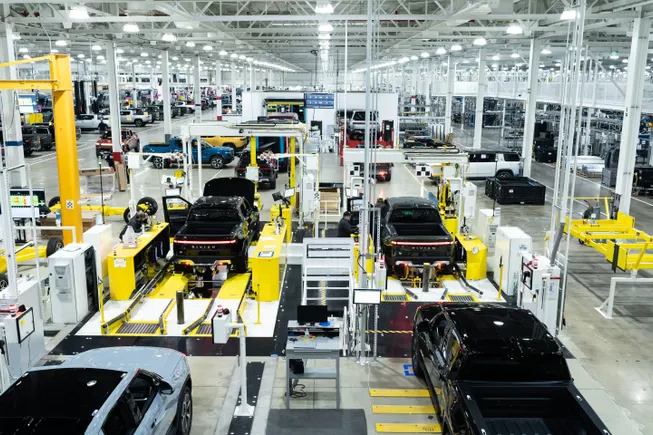
Rivian et Redwood Materials transforment des batteries usagées de véhicules électriques en un système de stockage d’énergie fixe pour l’usine d’assemblage de Rivian à Normal, dans l’Illinois, prolongeant ainsi la durée de vie utile de batteries qui conservent encore de la valeur après leur usage dans un véhicule.
Dans le cadre de ce partenariat, Rivian fournira à Redwood plus de 100 batteries de seconde vie pour véhicules électriques. Le système fournira initialement 10 MWh d’énergie à l’usine, avec pour objectif de réduire les coûts de service public et d’abaisser la demande sur le réseau pendant les périodes de pointe. L’annonce donne un cas d’usage industriel concret à un concept souvent présenté comme une future stratégie de circularité des batteries.
JB Straubel, fondateur et PDG de Redwood, a déclaré que ce partenariat montre comment les batteries de véhicules électriques peuvent devenir des ressources énergétiques pilotables, apportant rapidement de la capacité, soutenant la production et réduisant la pression sur le réseau sans attendre des années de nouvelles infrastructures.
Pourquoi le stockage de seconde vie est attractif
Les batteries de véhicules électriques peuvent atteindre la fin de leur vie automobile tout en conservant assez de santé pour des usages stationnaires moins exigeants. Un véhicule nécessite de hautes performances, une autonomie prévisible et une fiabilité stricte face aux vibrations, aux conditions météorologiques et aux cycles rapides de charge et de décharge. Un système de stockage d’usine peut utiliser les batteries autrement, souvent dans des conditions plus contrôlées et avec un logiciel d’exploitation qui gère la charge et la décharge.
Ce décalage crée une opportunité. Au lieu d’envoyer les batteries directement au recyclage, les entreprises peuvent d’abord les réemployer pour le stockage d’énergie, en tirer davantage de valeur économique, puis recycler les matériaux plus tard. Rivian a indiqué que l’usage de seconde vie peut prolonger l’utilité des batteries et aider à différer des coûts importants qui seraient autrement liés à de nouvelles infrastructures de stockage ou de réseau.
Le projet de l’Illinois s’inscrit aussi dans un virage plus large chez Redwood. En juin 2025, l’entreprise a annoncé Redwood Energy, une unité axée sur l’assemblage et le déploiement de systèmes de stockage stationnaire à faible coût pour les centres de données d’IA et d’autres applications commerciales. Le déploiement chez Rivian transpose cette stratégie dans un environnement industriel où les coûts de pointe de l’électricité et les contraintes du réseau sont des enjeux opérationnels directs.

La demande industrielle d’électricité est l’histoire principale
Le partenariat ne concerne pas seulement le recyclage ou la durabilité. Il concerne aussi la demande en électricité. Straubel a déclaré que la demande augmente plus vite que le réseau ne peut s’étendre, créant une contrainte pour la croissance industrielle. Parallèlement, les États-Unis disposent déjà d’une base croissante d’actifs domestiques de batteries sur le marché. La thèse de Redwood est que ces batteries représentent une ressource énergétique, et pas seulement une future matière première pour le recyclage.
Pour Rivian, le système offre un moyen d’utiliser l’énergie stockée dans sa propre usine pendant les périodes coûteuses ou contraintes. Cela peut réduire la demande de pointe sur le réseau et aider l’entreprise à éviter d’acheter une électricité plus chère lorsque la demande est forte. Dans un environnement de fabrication où la consommation d’énergie est élevée et où les calendriers comptent, le stockage peut devenir un outil d’exploitation plutôt qu’un simple projet de démonstration.
Le projet montre aussi comment les chaînes d’approvisionnement des véhicules électriques et l’infrastructure du réseau commencent à se recouper. Les constructeurs automobiles, les recycleurs de batteries, les développeurs de stockage et les gros consommateurs d’électricité travaillent de plus en plus à travers des frontières autrefois séparées. Un pack de batterie peut faire partie d’un véhicule, puis d’un système énergétique d’usine, puis enfin d’une source de matériaux récupérables.
Un modèle évolutif, si l’exploitation fonctionne
Rivian a déclaré que le système de stockage de Redwood est évolutif et qu’il offre des avantages en termes de coûts grâce à l’utilisation de batteries de véhicules électriques éprouvées. Le test le plus important sera opérationnel: savoir si des batteries de seconde vie peuvent être agrégées, surveillées et déployées de manière suffisamment fiable pour répondre aux besoins énergétiques industriels.
Si ce modèle fonctionne, il pourrait créer un pont entre le parc actuel de batteries de véhicules électriques et la demande de stockage réseau de demain. Le marché américain accumule davantage de batteries chaque année à mesure que le déploiement des véhicules électriques progresse. Tous ces packs ne seront pas adaptés à la réutilisation, et chaque projet nécessitera des travaux de sécurité, de diagnostic et d’intégration. Mais la base d’approvisionnement est réelle, tout comme la demande pour un stockage rapidement déployable.
Le projet Rivian-Redwood est modeste à l’échelle du réseau, avec un système initial de 10 MWh, mais il est significatif parce qu’il relie l’usage circulaire des batteries à un site de production en activité. Il montre comment le stockage d’énergie peut être construit à partir d’actifs déjà présents dans l’écosystème national des véhicules électriques, réduisant potentiellement la nécessité d’attendre de nouvelles infrastructures de réseau avant d’ajouter une capacité flexible là où la demande d’électricité augmente.
Cet article s’appuie sur un reportage de Utility Dive. Lire l’article original.
Originally published on utilitydive.com