From character dialogue to physical presence
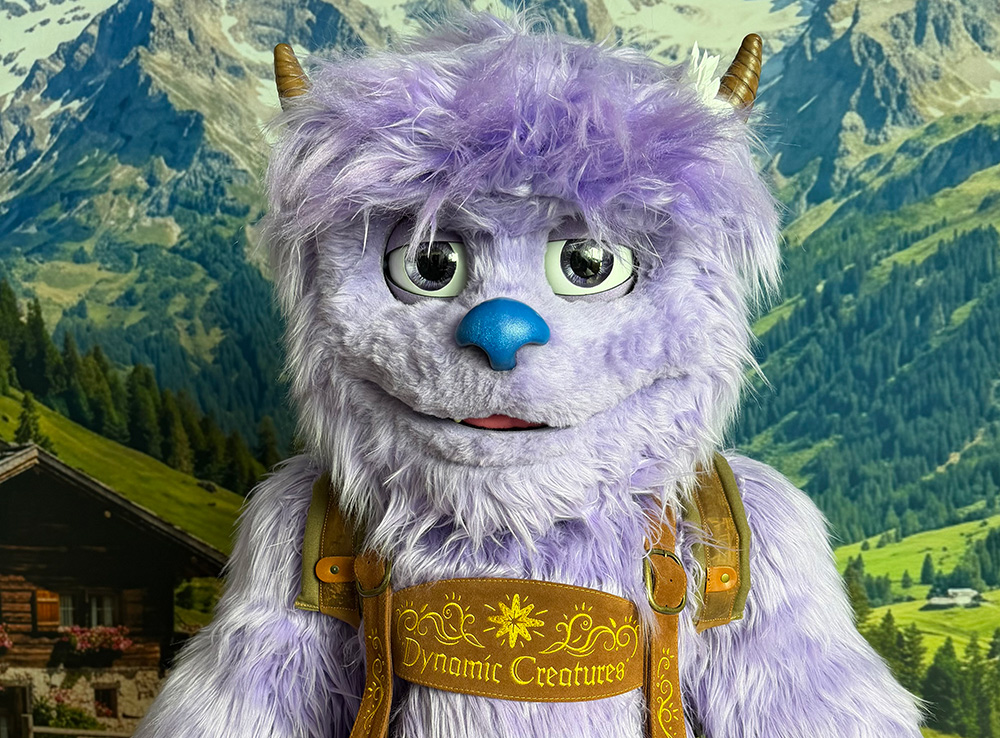
Dynamic Creatures and Sixth Wall Studio are planning to bring established Hasbro characters into physical spaces through interactive robots. The partnership combines Dynamic Creatures’ mobile, expressive robotic platforms with Sixth Wall’s character authoring and alignment technology, with an initial focus on theme parks, resorts and other hospitality settings.
Sixth Wall Studio was launched by Hasbro in June 2026. Its CharacterOS platform and Behavioral Licensing framework are intended to help characters speak and behave in ways that remain consistent with their established personalities and stories. Dynamic Creatures, meanwhile, is focused on making those digital interactions feel embodied through movement, gaze, gestures and reactions.
The partnership points to a practical challenge in character robotics: producing a machine that can move and converse is not enough if its behavior does not feel recognizably connected to the fictional character guests expect to meet. The companies’ stated aim is to combine physical expression with character-specific voice and behavior, rather than treating the robot as a generic assistant wearing a familiar brand.
A persistent interaction model
The collaborators envision robots that can greet guests, take part in an adventure and recognize returning visitors. In one example under consideration, a robot at a resort could welcome a guest, send them on a quest and later ask how that experience went. The goal is for encounters to contribute to an ongoing story instead of functioning as isolated photo opportunities.
Marc Theermann, co-founder and chief executive of Dynamic Creatures, described the division of work simply: CharacterOS currently focuses on voice, while Dynamic Creatures focuses on physical embodiment. The companies plan to explore ways to turn conversational answers into meaningful expressions.
That framing highlights why the collaboration is more than a standard deployment of a chat interface. A character robot has to coordinate language with timing, motion and attention. A gaze, pause or gesture can shape how a guest interprets a response, particularly in a busy public environment where the interaction competes with crowds, noise and other attractions.
Personalization also raises operational questions
The companies are considering personalized services as part of the guest experience. Theermann cited a possible use case in which a guest shows the robot an entrance ticket. The robot could then identify the guest and offer tailored information, such as dining recommendations or suggestions related to avoiding lines.
Such a system would depend on more than the robot itself. It would require a way to connect an interaction to a guest identity and to make relevant information available at the moment of conversation. The supplied announcement does not specify what data would be retained, how consent would work or what controls guests would have. Those details will be important if the concept moves from exploratory use cases to public deployment.
For operators, the attraction is clear: a character could provide a more individualized interaction without relying solely on scheduled performances or fixed scripts. For visitors, the test will be whether the personalization feels helpful and appropriately bounded rather than intrusive.
Where the robots could appear
Theme parks and resorts are the clearest initial destinations, but the partners also identify hotels, cruise ships, retail destinations and other immersive venues as potential settings. These are places where recognizable characters can be part of the product experience and where repeat interactions may be valuable.
Dynamic Creatures has designed its first character robot, Hugo, to move freely through guest environments. A freely moving platform is relevant because it can approach, accompany or react to people beyond a fixed kiosk location. At the same time, public-facing mobility requires dependable behavior around crowds and changing conditions, making the physical layer as important as the conversational one.
The announcement does not provide a deployment date, name the specific Hasbro characters involved or describe commercial terms. It is therefore best read as a partnership and product-development signal, not as confirmation that a particular robot attraction is ready for visitors.
A new form of licensed character experience
Licensed characters have long appeared in live shows, mascots, games and digital assistants. The Dynamic Creatures and Sixth Wall effort seeks to join those familiar formats by giving a character an AI-mediated voice and a mobile robotic body. Its success will depend on whether the system can preserve the qualities fans recognize while responding naturally to an unpredictable person-to-person setting.
The companies’ focus on alignment is notable in that context. The task is not merely generating an answer; it is ensuring that a character’s answer, motion and manner remain credible to the underlying story world. If the approach works, venues could gain characters that are available for more varied interactions and capable of connecting encounters across a guest’s visit.
For now, the partnership establishes the direction: Hasbro-linked character technology paired with physical robots built to express personality in the real world. The next evidence to watch will be named characters, venue pilots and the safeguards surrounding guest recognition and personalization.
This article is based on reporting by The Robot Report. Read the original article.
Originally published on therobotreport.com